

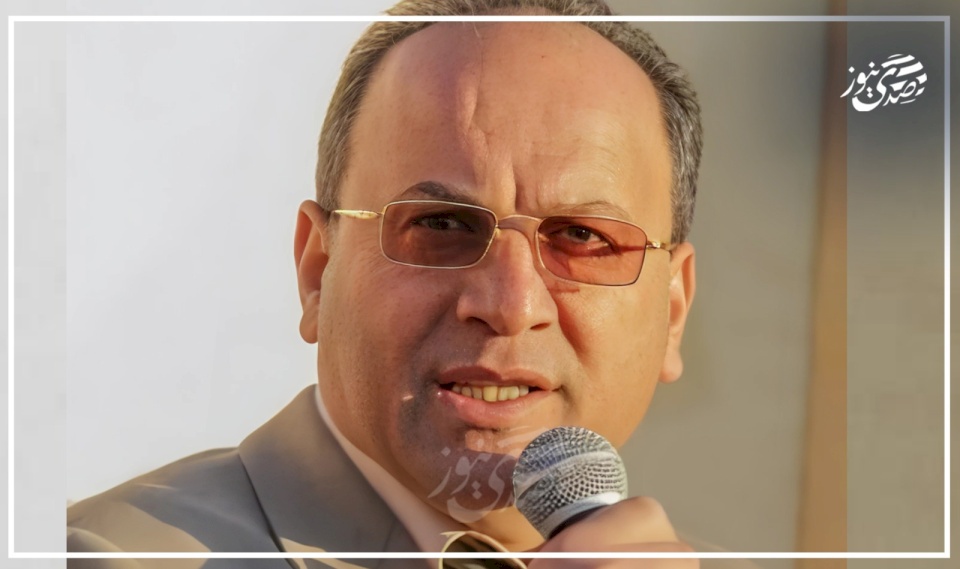
Marwan Barghouti and the Palestinian Prisoners... The Real Test of International Law
The value of law is not measured by what lawmakers write in constitutions or what is said in international forums, but by the protection it provides to individuals when they are at their most vulnerable. No one is more susceptible to violations of their rights than those who find themselves under the authority of their captors. This is why the Geneva Conventions were established and why torture was banned in international law—not for times of peace and prosperity, but for those moments when revenge overshadows justice, and Israel must not remain above international law.
Today, all eyes are on the Palestinian leader Marwan Barghouti in light of documented reports and what his lawyers convey about his detention conditions and the assaults he has endured, including being shot with rubber bullets at point-blank range to his feet, along with a deterioration in his health. These reports call for an independent and transparent investigation because the issue does not concern a specific political name, but rather a fundamental principle that should not be subject to bargaining: the right of every detainee to life, dignity, and protection from ill-treatment.
The case of Marwan Barghouti is just one of the most prominent examples reflecting the reality of Palestinian prisoners inside Israeli prisons. Alongside concerns about his conditions, there have been numerous reports, testimonies, and documented accounts over the past years about deaths in Israeli prisons, confirmed information regarding ill-treatment, torture, starvation, and medical neglect, as well as testimonies of occurrences of assaults and sexual assault against some detainees, including instances involving trained dogs. These violations, supported by testimonies from lawyers, independent bodies, and institutions, do not represent individual transgressions, but rather indicate a pattern endorsed by the Israeli occupying state. This imposes an urgent duty on the international community to act swiftly, investigate, and ensure accountability in accordance with international law.
The international community today faces a question larger than politics: Do human rights remain universal when the victim is Palestinian? Do humanitarian principles continue to play their role when they become hostages to political calculations?
Defending the rights of Palestinian prisoners does not mean adopting a political stance, and demanding investigations into violations does not imply bias toward one side against another. It is a call for the application of the same principles that the world declares are indivisible and that human dignity is not linked to nationality, identity, or political stance.
International law does not grant Israeli detention authorities freedom to act in the lives or safety of detainees. It imposes a clear legal obligation to protect them, provide them with medical care, safeguard their dignity, and ensure they are not subjected to torture or cruel, inhumane, or degrading treatment. These are not merely Palestinian demands but legal rules universally agreed upon by the international community.
Moreover, the silence on any documented violations doesn't only threaten Palestinian prisoners; it also endangers the credibility of the international system itself. When the application of law becomes selective, it loses its moral authority, and justice becomes a privilege granted to some while denied to others.
Leader Marwan Barghouti, representing political presence and national symbolism, has become a title for a larger test: Can international institutions prove that the law is still capable of protecting individuals even in the most complex cases? Or will the principles long defended by the world remain hostage to power balances, particularly when the offender is Israel?
What is required today is not statements expressing concern, but practical steps that ensure independent access to places of detention, verification of the conditions of Palestinian prisoners, and accountability for any party proven to have committed violations, regardless of their identity. The rule of law is achieved not by slogans but through oversight, accountability, and transparency.
The world may disagree on the conflict and political positions may vary, but there should be no disagreement on one fact: that a human being, regardless of who they are, does not lose their humanity behind Israeli bars, nor should they lose with it their right to life and dignity.
If Israeli prisons become places devoid of justice, the loser will not be solely the Palestinian prisoners but the entire international legal system. When violations of the rights of a group of prisoners are allowed without accountability, it paves the way for the erosion of legal guarantees that protect all detainees, regardless of their nationalities or identities, including any Israeli, American, or European prisoners who may find themselves one day under the authority of another party. Human dignity is indivisible, and the law that fails to protect one person today will not be able to protect others tomorrow.
 Follow the latest Sada News via Google News
Marwan Barghouti and the Palestinian Prisoners... The Real Test of International Law

التأسيس الثالث لفلسطين: في مواجهة هندسة التفكك

Netanyahu Writes the War Narrative... and Begins the Election Battle

E-commerce in Palestine: An Opportunity for Economic Survival or an Administrative Burden...

From Illusions of Settlement to the Imperatives of Liberation..

Is it easy to hold Palestinian elections? And what is required?
Is it easy to conduct Palestinian elections? What is required?
