

Capsule Remains in Stomach for Two Days to Improve Ulcer Treatment
SadaNews - Researchers at the University of Tromsø in Norway have developed an innovative drug capsule capable of remaining in the stomach for up to 48 hours, allowing for the direct delivery of antibiotics to the bacteria causing stomach ulcers.
They explained that this capsule could contribute to improving treatment effectiveness and reducing the side effects associated with the intensive use of antibiotics. The results were published on Thursday in the journal "Techniques and Applications of Carbohydrate Polymers."
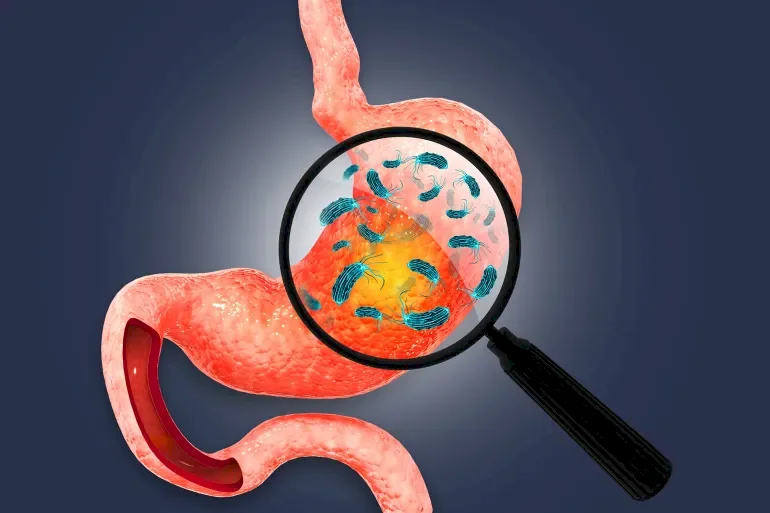
Stomach ulcers are wounds or sores that form in the inner lining of the stomach due to the erosion of the protective layer that shields it from digestive acids. The most common cause of these ulcers is the Helicobacter pylori bacteria, along with excessive use of certain anti-inflammatory painkillers. Ulcers can cause symptoms such as stomach pain and burning, nausea, and bloating, and in advanced cases, they can lead to bleeding or serious complications requiring urgent medical intervention.
The researchers indicated that Helicobacter pylori infects between 50 and 100 percent of the population in countries with limited access to clean water and is one of the main causes of stomach ulcers, as well as being associated with an increased risk of stomach cancer.
Despite the availability of effective treatments to eradicate this bacteria, they typically rely on taking several types of antibiotics at high doses for a week or more, which can lead to noticeable side effects, disrupting the balance of beneficial bacteria in the intestines, as well as increasing the risk of developing antibiotic resistance.
The researchers explained the mechanism of the new system, which involves combining a natural polymer derived from algae with a synthetic polymer, then loading the mixture with the antibiotic "ciprofloxacin" and folding it into a small capsule that is easy to swallow.
Once the capsule reaches the stomach, its outer shell dissolves due to acids, while the polymer material expands to form a large membrane that cannot pass through the narrow opening leading to the intestines, allowing it to remain in the stomach for a long time and releasing the antibiotic gradually directly at the site of infection.
The researchers stated: "This property enables the membranes to stay within the stomach for a long time, allowing for direct release of antibiotics at the site of infection."
They added that "the developed membranes can withstand compressive and pressure forces within the stomach for at least 48 hours, making them more efficient in delivering the drug compared to conventional tablets, which leave the stomach and intestines within a few hours."
Regarding safety, the researchers confirmed that safety was a key focus in the study. Tests conducted on human cells showed that the new gel membranes have a high level of safety, as the survival rate of the cells exceeded 90 percent when exposed to different concentrations of the substance.
According to the team, this technology represents a promising approach to treating infections caused by the bacteria that lead to stomach ulcers, as it allows for targeted local delivery of antibiotics within the stomach over a longer time frame, rather than subjecting the entire body to large amounts of medication.
 Follow the latest Sada News via Google News
World Cup: Egypt Achieves Historic Milestone by Advancing to the Second Round, while Saudi...

"Resident" Robots in the Depths to Monitor Marine Pipelines and Cables

Apple Raises Prices on Mac and iPad... iPhone Not Included in the Hike So Far

Study: Steroid Drugs Can Alleviate Nausea and Vomiting in Cancer Patients

New Discovery on Pneumonia May Improve Treatment for Severe Cases

Capsule Remains in Stomach for Two Days to Improve Ulcer Treatment

8 Daily Habits That May Help You Live to 100 Years
