

Discover the Industry That Has Become a Bigger Dollar Source for Egypt Amid the Hormuz Crisis
SadaNews - The global energy crisis and the repercussions of disrupted shipping in the Strait of Hormuz provide an opportunity for fertilizer producers in Egypt to achieve significant gains from the rise in urea prices, potentially enhancing the country's foreign currency reserves at a time when Cairo needs every additional dollar source.
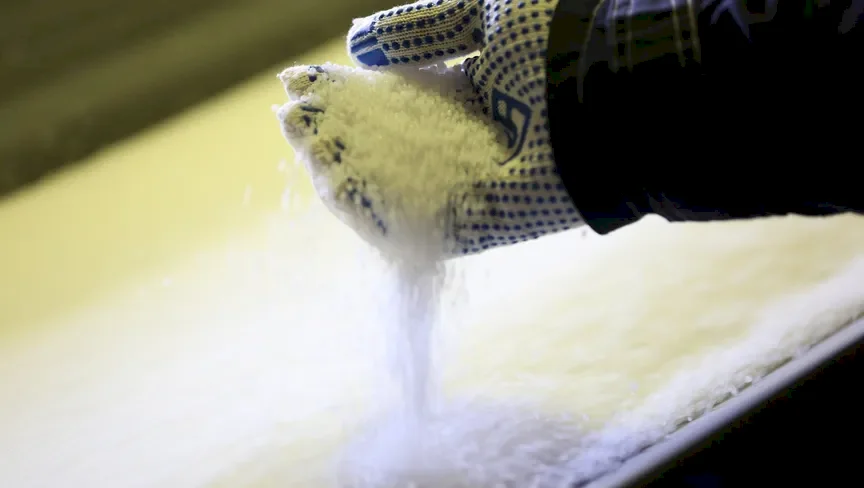
Egyptian fertilizer companies are betting on a combination of global supply shortages and increased demand from major importers to boost their export revenues this year, following a 20% increase in sector exports last year to $2.04 billion.
This bet is driven by the near-total suspension of urea exports, a key component in nitrogen fertilizers, through the Strait of Hormuz, noting that 45% of urea trade comes from producers with manufacturing sites on the Arabian Gulf, according to a report from "Bloomberg Intelligence". These factors have led to a nearly 110% increase in urea prices since late March.
Youssef Hosseini, head of the materials and chemicals department at the regional investment bank "Hermes", told "Asharq" that Egypt is among the main beneficiaries of these developments, exporting over 3 million tons of urea annually. He added that if current prices remain between $800 and $900 per ton, Egyptian urea exports could reach between $2 billion to $2.5 billion, equaling or exceeding the total value of sector exports by 2025.
A Source of Hard Currency
This scenario gives the fertilizer industry greater weight as a source of hard currency at a time when the energy import bill has increased due to the war. Furthermore, the heightened demand from large consumers like India grants producers the capability to increase Egypt's market share in major markets and penetrate new ones.
Egypt is one of the largest producers of urea in the Middle East and Africa and a major exporter of nitrogen fertilizers globally, producing approximately 17.9 million tons of fertilizers annually, including 6.7 million tons of urea and 7.8 million tons of nitrogen fertilizers, according to data from the Ministry of Agriculture.
Khaled Abu Al-Makarem, head of the Export Council for Chemical Industries in Egypt, told "Asharq" that companies and traders are already expanding their exports amid strong external demand and relative saturation of the local market, along with benefiting from currency differences as the dollar remains stable at high levels against the Egyptian pound.
Abu Al-Makarem added that Egypt is poised to achieve revenues exceeding last year's nitrogen fertilizer exports, placing it among the countries benefiting from the current crisis in the global fertilizer market.
Targeting the Indian Market
The effects of external demand are already evident in official data: Egypt's fertilizer exports rose by 3% in the first quarter of the year to $838 million, according to statements from the head of the General Authority for Export and Import Control, Essam Al-Naggar, to "Asharq". Additionally, exports to India, the world’s largest importer of urea, surged by 140% during the same period to $77 million.
In a clear indication of rising demand, "Asharq" exclusively reported that six Egyptian companies succeeded earlier this month in capturing 15% of a massive Indian tender to import 2.5 million tons of nitrogen fertilizers for next June.
For his part, Hassan Abdel Aleem, head of "Helwan Fertilizers", told "Asharq" that Egyptian factories have met most of the domestic market's needs and achieved growth in exports during the first quarter of this year, confirming that the fertilizer sector has become the locomotive of industry and chemical exports in Egypt despite all challenges.
Profits for the Government
The number of major nitrogen and phosphate fertilizer producing companies and factories in Egypt is about 18 complexes, most of which are state-owned.
The government’s gains are not limited to increased export revenues but also extend to rising tax revenues and state shares in fertilizer companies, as well as benefiting from the gas pricing mechanism linked to global urea prices, according to Youssef Hosseini from the "Hermes" investment bank.
Earlier this month, Egypt raised natural gas supply prices to several energy-intensive industries by an average of two dollars, reaching $14 per million thermal units for cement factories, $7.75 for iron, steel, non-nitrogen fertilizers, and petrochemicals, and between $6.50 and $6.75 for other industrial activities and petrochemical factories.
Hosseini explained to "Asharq" that the prices of gas supplied to fertilizer factories in Egypt have risen in tandem with the increase in urea prices, moving within a range of $9 to $10, but the average cost of gas in Egypt remains lower than the current global prices for liquefied natural gas.
Egypt has also imposed a fee of $90 per ton on companies’ exports of nitrogen fertilizers for three months starting from this May.
Profit Margins
Medhat Youssef, former head of "Mopco", told "Asharq" that Egyptian fertilizer exports face temporary challenges due to rising natural gas prices for factories, along with the government imposing export fees on nitrogen fertilizers, which may reduce the profit margins for companies.
However, Hosseini clarified that the new fees aim to protect the local market and ensure the availability of fertilizers for farmers during the summer season, pointing out that the decision reduces local prices compared to foreign ones, yet the new fees will not prevent fertilizer companies from achieving strong profits, given the current record levels of global prices.
He also anticipated that fertilizer companies and the Egyptian government would continue to benefit from the current conditions in the short term, especially with the ongoing global supply shortage and rising demand from major markets, headed by India.
It is worth noting that Iranian drone attacks on countries like Qatar and Bahrain have damaged the energy and industrial infrastructure, hindering urea production and forcing manufacturers in the region to scale back their operations, with estimates indicating a potential production stoppage of between 55% and 60%, according to the consulting firm "CRU Group".
 Follow the latest Sada News via Google News
London Stock Exchange Enters the Era of 24/7 Trading

Shamaran Petroleum: Suspension of Oil Production in Duhok Fields in the Kurdistan Region o...

Dollar Steadies Near One-Week High Amid War Developments

Trump Imposes Tariffs on Canadian Imports... Ottawa Vows to Respond

Oil Prices Drop After Reports of Mediation Efforts Between the U.S. and Iran

Gold Price Rises Supported by Increased Buying Amid Lower Prices

Due to "Hazardous and Counterfeit Products".. Europe Fines "AliExpress" $627 Million
