
Rising Bond Yields Compound Challenges for Warsh Ahead of Fed Leadership
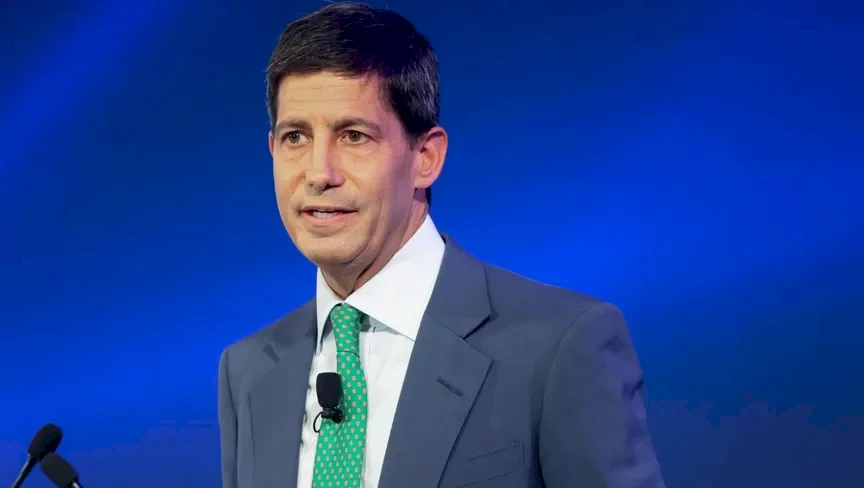
SadaNews - Kevin Warsh is preparing to take over the leadership of the Federal Reserve later this week, facing pressure from the White House to cut interest rates amid increasing resolve from his colleagues to maintain the status quo. The bond market is now exacerbating this pressure.
On Tuesday, the yield on 30-year Treasury bonds reached its highest level since 2007 amid intensive selling of government bonds, spurred by a recent increase in energy prices due to the U.S. war with Iran.
Adding to this are concerns about the U.S. budget deficit and signs that the economy remains strong, as investors seek higher returns for holding long-term debt.
Supadra Rajappa, head of U.S. research at "Societe Generale Americas," explained that the rise in yields may not be an intentional test for the next Fed chair, but it certainly makes his job tougher.
She added that "Warsh is entering the fray at a time when inflation is rising, and he is likely to face challenges to his hawkish leanings" either through market pricing or his future colleagues at the Federal Reserve.
Trump's Pressure for Rate Cuts
Warsh will be sworn in on Friday as the 17th chair of the Federal Reserve in a ceremony at the White House hosted by President Donald Trump.
Trump said in an interview with the "Washington Examiner" on Tuesday that he would allow Warsh to decide what to do with interest rates, but indicated last month that he would be frustrated if Warsh did not cut interest rates immediately upon taking office.
In the months leading up to his nomination, Warsh criticized the Fed for not lowering interest rates enough, pointing to long-term dynamics in the economy, including an expected surge in productivity growth related to artificial intelligence, which could justify cuts.
But he has not expressed his political views for many weeks. During his confirmation hearing on April 21, lawmakers failed to press him for his near-term views on interest rates.
Inflation Concerns
Meanwhile, most of the arguments supporting a rate cut have faded. The labor market, which showed signs of severe strain last year, now appears stable. Inflation, which was already stagnant before the war, has risen again against the backdrop of energy prices.
Julia Coronado, founder of the research firm "Macro Policy Perspectives" and former economist at the Fed, stated: "There's nothing really to point to as being non-inflationary, and the war adds to the financial picture because we, well, will need to finance it."
She added that Warsh "should be deeply concerned" about this interplay. The path to interest rate cuts at this stage "goes through an economic recession."
The reluctance of Warsh's future colleagues to consider a rate cut anytime soon may provide some comfort to investors. Only one policymaker, outgoing Governor Stephen Moore, has continued to call for rate cuts. Warsh will succeed him on the Federal Reserve Board.
The rest have said they are comfortable leaving interest rates unchanged, as they have done in their last three meetings. An increasing minority, concerned about inflation expectations, has signaled that it is time to change the Federal Reserve's post-meeting statement language by adding a reference to the possibility of raising interest rates, not just the possibility of lowering them, in the next move.
Michael Feroli, chief U.S. economist at "J.P. Morgan Chase," said, "It seems people are comfortable knowing the committee will set policy," rather than having the new chair impose a new direction at the Fed. He added: "He will have a harder task trying to convince anyone about the case for cutting rates at any time this year."
The minutes from the Federal Reserve's April meeting are set to be released on Wednesday and may reveal more about how the committee views the upcoming path.
Difficult Transition
Recent market movements complicate an already challenging transition at the Federal Reserve. Even before the war, Warsh faced economic forecasts characterized by persistent inflation and a stable, albeit somewhat fragile, labor market. He must also build his influence among other policymakers while his predecessor Jerome Powell's presence on the Fed board remains prominent.
Outgoing Chair Jerome Powell has stated that he will remain on the Fed board due to concerns that the White House's attacks on the central bank's independence will continue.
Nit Hied, a portfolio manager at "Insight Investment Management," remarked that "there's definitely a risk that Warsh finds himself in a very uncomfortable position where he really doesn't have the ability to resolve it."
Warsh approaches a divided Fed that increasingly resists rate cuts.
He added: "If you don't have the board, and you're under pressure from the president, you don't really have many options other than to smile and endure while you try to build consensus."
However, at least one team of Fed watchers recommended a potential escape route for Warsh: taking a stand against inflation by removing phrases from post-meeting policy statements that indicate officials will eventually resume rate cuts.
According to analysts at "Yardeni Research," eliminating what's called the "easing bias" could halt the rise in bond yields. They wrote in a recent client note: "By acting aggressively, Warsh may have the opportunity to deliver what the White House wants: lower borrowing costs in the real world."
 Follow the latest Sada News via Google News
Strait of Hormuz Approaches Maritime Paralysis After American and Iranian Strikes

Oil Prices Surge as US Airstrikes on Iran Renew

Gold Holds Steady Near $4080 Amid Middle East Escalation

The IMF Forecasts a Contraction in the Middle Eastern Economy This Year and a Faster Recov...

6000 Sailors Still Stranded in the Gulf

Floating Iranian Oil Faces Uncertain Fate After U.S. Exemption Cancellation

Brent Surpasses $76 After U.S. Strikes on Iran