

After the Talks Failed.. New York Times: The Next Step is Up to Trump
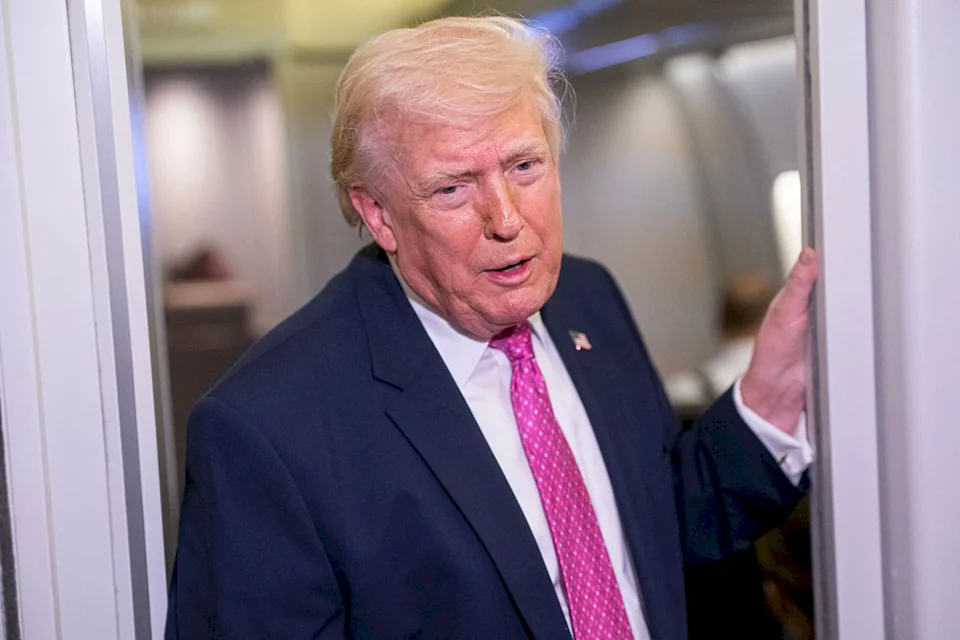
SadaNews - The American newspaper New York Times reported on Sunday that the next step for the U.S. administration regarding negotiations with Iran is left to President Donald Trump, who traveled to Florida over the weekend, according to White House officials.
The newspaper added, quoting White House officials, that "every option carries significant political and strategic costs."
The paper noted that Trump's Deputy, JD Vance, presented a final offer to Iran to end its nuclear program, but it was rejected.
It clarified that Trump's gamble is that significant military pressure will force Iran to change its position, but Tehran considers that steadfastness itself is a victory and affirmed that the losses have not weakened its position but rather strengthened it.
It stated that Trump's team fears being dragged into long and complex negotiations, while his special envoy, Steve Hittkov, believes that Iran should "simply surrender," which does not seem realistic.
The New York Times mentioned that Iran refuses to completely abandon uranium enrichment, while the United States sees this as a continual threat of potentially developing a nuclear weapon.
It pointed out that despite 38 days of war, both parties' positions appear to have "become more hardened, not more flexible."
It stated that "Trump's primary card now is the threat to resume military operations, especially as the fragile ceasefire is set to expire on April 21."
However, the newspaper noted that the option of resuming military operations is politically and economically costly, particularly with the war's impact on energy prices and global inflation.
It stressed that the most urgent issue is the reopening of the Strait of Hormuz, which has become a key pressure point for Iran, alongside its other demands such as compensation for damages caused by the bombing and destruction, and lifting sanctions.
It noted that the United States has rejected paying compensation and confirmed that lifting sanctions will only be gradual if an agreement is reached.
The newspaper concluded that both parties believe they emerged victorious from the first round, Washington due to its military strength, and Tehran due to its resilience, but the actual outcome is political stagnation, with no real willingness to make concessions, leaving the next phase open to either long negotiations or renewed escalation.
 Follow the latest Sada News via Google News
12 Martyrs in Gaza Strip since Dawn Today

A Series of Important Decisions Taken.. The Cabinet Discusses Developments in the Deterior...

Organizations of the Temple Prepare for the Largest Raid on Al-Aqsa on What is Called the...

Smotrich: Israel Has No Interest in Joining the War Against Iran

Occupation Issues Military Order to Seize 5 Dunams of Land in Jaba'

Axios: Proposal for a 10-day Ceasefire Between Washington and Tehran and Two Options for M...

In a Rapid Pace.. The Occupation Builds a Huge Earth Barrier Inside Gaza
