

What are the details of Egypt's first issuance of government bonds targeting individuals?
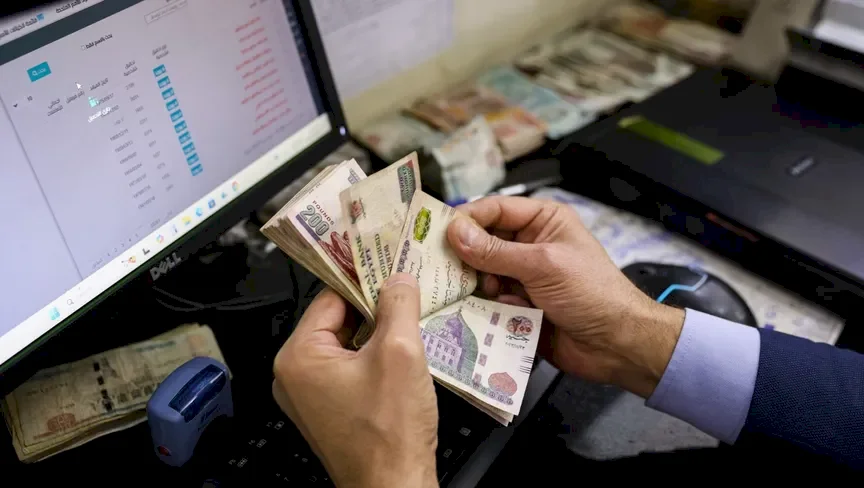
SadaNews - Egypt will begin today, Sunday, the first issuance of government debt instruments directed directly to individuals without bank mediation, in a step aimed at diversifying the investor base and reducing borrowing costs, through allowing subscription in the "Citizen Bond" with a net annual return of 17.75% for a period of 18 months, as part of official efforts to attract a portion of individual savings and reduce reliance on banks as the main funder of public debt, according to three government officials.
The issuance, announced by the Ministry of Finance last Thursday, is the first of its kind that allows individuals to lend to the government directly without going through banks, as part of a plan aimed at attracting at least 5% of individual savings in the banking sector, which represents about 60% of the total banking sector.
As part of a plan aiming to redistribute the base of government debt holders and lessen dependence on banks and major financial institutions, according to one official who requested anonymity. The offering will be available through Egyptian postal outlets and will last until March 8th.
Egyptians' Savings in Banks
According to the latest data from the Central Bank of Egypt, the total deposits of individuals in local currency increased by 26.8% year-on-year, reaching approximately 7.74 trillion pounds by the end of December 2025. These deposits are distributed between about 1 trillion pounds in short-term current deposits and 6.74 trillion pounds in medium and long-term non-current deposits.
Individual deposits account for about 80.7% of the total non-government savings in local currency, which amounted to about 9.581 trillion pounds by the end of last December, reflecting the expansion of the targeted base.
This trend comes at a time when the burden of debt servicing is putting increasing pressure on public finances, as debt interest payments accounted for about 92% of total public revenues during the first half of the fiscal year 2025-2026. According to data issued by the Egyptian Ministry of Finance last month, interest payments rose by 34.6% year-on-year during the period from July to December 2025, reaching approximately 1.26 trillion pounds, reflecting the rising cost of borrowing and supporting the government's drive to seek less costly financing tools.
Cairo seeks to reduce costs and minimize risks
The three officials confirmed that allowing direct individual investment in government debt instruments without a bank intermediary would reduce the final cost of government borrowing by minimizing the burdens borne by the treasury when borrowing through banks.
They explained that part of the cost of government borrowing through banks is related to what is known as the "required reserve," which is a percentage of customer deposits that banks are obliged to deposit with the central bank without earning interest, along with the cost of deposits and profit margins that banks add before re-deploying the funds in treasury bills and bonds.
Consequently, banks demand a higher return to compensate for these costs, which raises the debt burden on the public treasury, which the Ministry of Finance aims to reduce through direct offering to individuals, according to the officials.
"The goal is not only to reduce debt burdens but also to minimize risks and expand the investor base, thereby reducing the funding sensitivity to any liquidity pressures that a particular sector may experience."
At the same time, the official noted that the Ministry of Finance may later consider offering longer maturities for the "Citizen Bond" extending up to three years after evaluating the results of the first offer and measuring individuals' interest in it.
 Follow the latest Sada News via Google News
China's Refined Oil Exports Rise in May Despite Imposed Restrictions

Breakthrough in the Strait of Hormuz Injects Billions into Global Equity Funds

European and Asian Stocks Decline as U.S.-Iran Peace Talks Stumble

Gold Set to Suffer Third Consecutive Weekly Loss under Dollar Strength Pressure

Governor of Saudi Sovereign Fund: We are committed to all our investments and strategies w...

How did the markets react to the signing of the Iran agreement and the Federal Reserve's d...

أرامكو تدرس إنشاء مرافق تخزين كبرى حول العالم
