

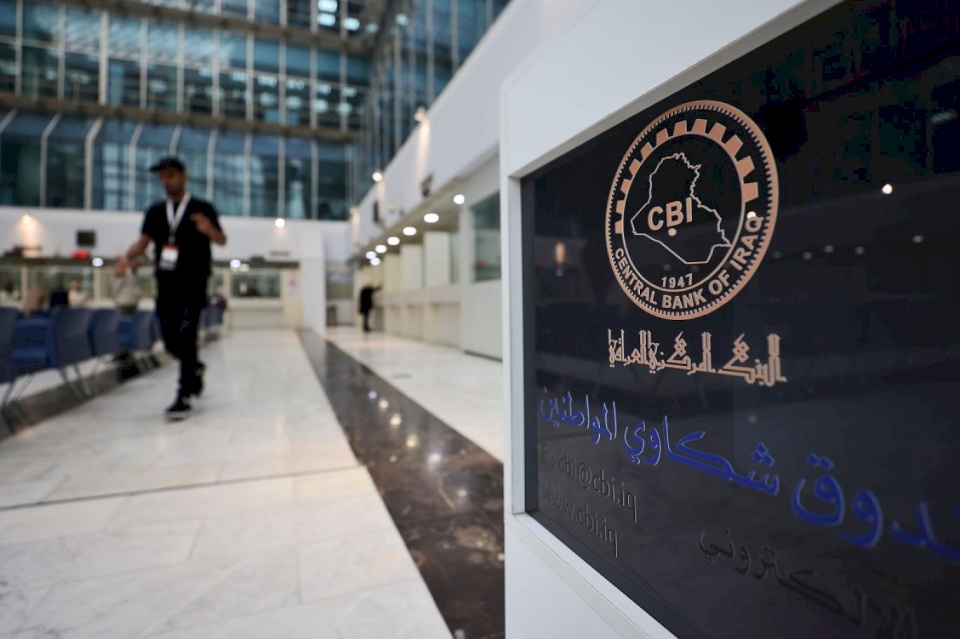
Will Half of Iraq's Banks Disappear?
SadaNews Economy: The Iraqi banking sector faces a sensitive phase with the start of implementing the comprehensive reform plan laid out by the Central Bank, which could lead, according to estimates, to the exit of some private banks through mergers or market exit.
These developments come at a time when depositors' fears are on the rise, especially following previous instances of bank defaults, threatening trust in the banking system. As discussions widen about the future of dozens of small or weak banks, Wadi Al-Hanzal, the head of the Association of Iraqi Private Banks, stated that Arab and Gulf banks have expressed a genuine and serious desire to enter Iraq. Al-Hanzal added in statements to reporters that Iraq is currently facing one of the most profound phases of banking reform, based on a roadmap set by the Central Bank to restructure the sector. This process may lead to extensive mergers or exits to ensure compliance with international standards and enhance the strength of the banking sector.
Al-Hanzal revealed that the Iraqi banking sector could witness a wave of significant mergers or exits, indicating that the number of banks, which stands at about 60, "may decrease by half or less," in response to directives from the Central Bank, which he described as "clear reform messages" even though they have not been officially announced. He confirmed his support for this approach, as it will lead to a stronger and more efficient banking sector.
This proposal aligns with a statement from the Iraqi Central Bank, which affirmed its commitment to proceed with comprehensive reform and its keenness to enhance financial stability while focusing on structural reforms that maximize local revenues and support the government's efforts to diversify the economy.
A Suitable Environment for Reform
Samir Al-Nasiri, an advisor to the Association of Private Banks in Iraq, affirmed that the measures taken by the Central Bank and its efforts, in partnership and consultation with private banks, have helped prepare a suitable environment for starting to implement the goals and programs of the banking reform project, which is being coordinated with the government and the global consulting firm Oliver Wyman.
He explained to "Al-Arabi Al-Jadid" that this project aims to build a strong, modern, and flexible banking sector capable of supporting the rapid growth of the national economy and contributing to raising the GDP and enhancing the market value of the banking sector.
Al-Nasiri confirmed that efforts are underway to empower and grow the private banking sector during the period from 2025 to 2028, through the development of the banking system and its compliance with international standards, building a flexible and modern sector, enhancing citizens' confidence, and international recognition of its transparency.
He emphasized the need to rehabilitate struggling and weak banks for a full return to activity and to transform banks into their core role in financing and lending to enhance financial inclusion, drive the transition to a digital economy, and move funds out of the banking cycle. He indicated that the reform will also include efforts to restructure the banking sector and integrate banks willing to create large banking entities capable of attracting founding investors based on the ownership structure ratios adopted by the Central Bank.
Bank Mergers
Financial and banking expert Mahmoud Dagher stressed that the banking reform plan was developed to improve the performance of Iraqi banks and enhance their international ranking, explaining that the consulting firm "Oliver Wyman" in cooperation with the Central Bank has drawn up the details of the reform plan and its phases without including any intentions to reduce the number of banks.
Dagher stated to "Al-Arabi Al-Jadid" that the plan targeted one of the most important requirements for improving performance, which is increasing capital in line with global trends, as international banking entities enjoy large capital bases. He added that the plan provided banks with the option of merging as a means to enhance capital, in addition to allowing capable banks to continue independently, confirming that it cannot be asserted that the number of banks will "decrease by half or by a quarter," as this is not the primary goal of the reform. He indicated that one of the factors for improving the performance of banks worldwide is their mergers to enhance their resilience and ability to face risks, stressing that the reform of state-owned banks should precede the reform of private banks, as state-owned banks dominate 85% of deposits in Iraq and 90% of banking assets, making them the largest and most influential entity in the banking system.
Depositors' Concerns
Moreover, economist Mustafa Al-Faraj affirmed that the concerns of depositors represent the biggest challenge in the reform process, especially after some banks struggled to pay deposits, which has generated a growing crisis of confidence among the public. Al-Faraj emphasized that protecting depositors' funds has become a direct responsibility that lies on the shoulders of the Iraqi Central Bank, as the authorized and supervisory entity overseeing banking operations, and it must ensure their rights fully during any merger or restructuring process.
He explained to "Al-Arabi Al-Jadid" that the number of private banks exceeding 60 does not reflect the strength of the sector, but reveals fragmentation and weakness in capital efficiency, as some of these banks do not provide actual banking services nor contribute to lending or real economic activity, relying instead on limited or ineffective speculative activities.
Al-Faraj pointed out that merging, despite some shareholders' reservations, constitutes a reform step that gives the banking sector a higher ability to compete, raises overall public trust, and transforms banks into effective instruments to support the economy instead of remaining mere nominal or inactive entities.
Threatened Banks
In this context, economist Ahmad Sabah confirmed that the Central Bank's plan to restructure the banking sector will push several weak banks to merge or exit, particularly those banks that have faced sanctions or restrictions from the U.S. Treasury or have failed to meet compliance and capitalization requirements, which has made their continued existence in the financial system a matter that needs a root review.
He explained to "Al-Arabi Al-Jadid" that the danger of these banks is not limited to their weak operational performance but extends to their potential use in some instances as channels for money laundering and dollar smuggling, due to the lack of internal oversight and weak auditing and governance systems, which has prompted international entities to become stricter in dealing with them. Sabah stressed that the continued existence of these banks poses a direct threat to market stability and depositors' confidence, confirming that their restructuring or exit from the market has become necessary to protect the financial system, enhance transparency, and ensure a more robust banking environment capable of supporting the national economy.
 Follow the latest Sada News via Google News
Strait of Hormuz Approaches Maritime Paralysis After American and Iranian Strikes

Oil Prices Surge as US Airstrikes on Iran Renew

Gold Holds Steady Near $4080 Amid Middle East Escalation

The IMF Forecasts a Contraction in the Middle Eastern Economy This Year and a Faster Recov...

6000 Sailors Still Stranded in the Gulf

Floating Iranian Oil Faces Uncertain Fate After U.S. Exemption Cancellation

Brent Surpasses $76 After U.S. Strikes on Iran