
Financial Reports Reveal: Israeli Food Companies Supply Goods Worth Hundreds of Millions of Shekels to Gaza Strip Away from the Spotlight
SadaNews - Financial reports and sources in the Israeli food industry have revealed the emergence of a new and profitable trade channel for Israeli retailers and importers directed towards the Gaza Strip, coinciding with the ceasefire agreements and the reopening of supply routes. According to the data published by the newspaper "Yedioth Ahronoth" and translated by Sada's economy, Israeli companies have achieved massive sales; for instance, the "Victory" network's sales to traders in Gaza reached about 100 million shekels in one month, while the "Maharim" agricultural company recorded sales worth 60 million shekels during the first quarter of the year.
Reports indicate that the opening of crossings for truck movement has provided these companies a wide trade opportunity to market their goods in Gaza and achieve significant financial returns, at a time when most companies involved in this trade are keen to keep their activities under wraps and away from media focus.
Trade Ongoing Amid Supply Crisis
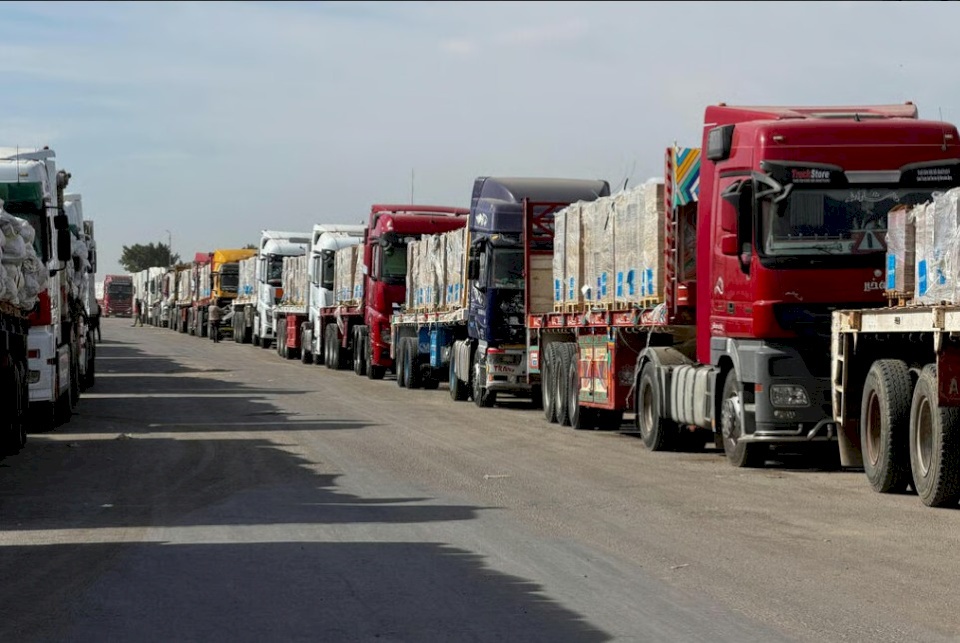
The revitalization of this trade market occurred following ceasefire understandings that included commitments to increase the number of trucks entering the sector daily to about 600 trucks. While international and media attention focuses on the "humanitarian aid" file, published official data shows that a large portion of the traffic through the crossings includes direct commercial sales to Palestinian traders in Gaza who have been approved by Israeli authorities.
The "Victory" food network was compelled to disclose the size of its sales to Gaza (100 million shekels) after the "Israeli Securities Authority" demanded an explanation for the sharp and sudden increase in its revenues, after the administration previously attempted to attribute it to holiday seasons and the ramifications of regional tensions. Similarly, reports from the "Maharim" company, part of the "Delek" group (specializing in marketing fruits and dates), showed profit margins from sales to the sector amounting to millions of shekels.
Security Considerations and Concerns over Reactions
Hebrew economic circles describe this commercial activity as "sensitive", as companies avoid advertising it for fear of damaging their public image in Israeli society, especially "in light of political incitement from right-wing factions against any commercial exchange with Gaza during the war, and companies' fears of boycott campaigns organized by Israeli consumers", according to Sada's economy translation.
About 30 Israeli companies have obtained official permits from the Ministry of Defense to supply goods, including major companies and distributors such as "Carrefour", "Super Saber", and "Hatzzi Henam", alongside companies like "Willy Food", "Diplomats", and "Shestovitsh". Meanwhile, major beverage companies preferred to supply their products through intermediaries and approved distributors rather than directly, to avoid legal accountability in case of smuggling operations for unlisted goods (like tobacco and cigarettes) during inspections at the Kerem Shalom crossing.
Strict Monitoring Mechanism and Security Conditions
The Israeli authorities established this mechanism as an alternative to the international system (the United Nations and relief organizations) which lacked logistical capacity to manage and unload more than 200 trucks daily. Under the current mechanism, dealings are limited to a small number of traders inside Gaza (about 10 traders) after security checks conducted by the "Shabak".
Israeli criteria impose strict conditions on supplying companies, including:
- Allocating enclosed areas monitored by cameras around the clock within their warehouses to prepare shipments for Gaza and inspect them with metal detection devices.
- Equipping transport trucks with GPS tracking systems to monitor their route to the southern crossings.
- Committing to a list of only permitted goods (food, shelter equipment, and animal feed), and prohibiting the supply of any non-marketed products in Israel (such as banning the supply of drink cans manufactured in Jordan designated for the West Bank markets, despite being cheaper).
Surge in Demand and Gradual Decline in Profits
Commercial sources indicate that at the beginning of the reopening of trade movement, demand in the Gaza Strip was extremely high due to a severe shortage of goods following long months of closure, allowing suppliers to sell inventories at very high prices compared to Israeli market prices.
As the flow of trucks and availability of goods in the Gaza markets continued, the pace of demand began to stabilize, and prices dropped, as translated by Sada's economy, which reflected a reduction in the overall profit margins of Israeli companies due to intense competition and the speed of daily coordination operations requiring the passage of hundreds of trucks through the Kerem Shalom crossing. Despite procedural complexities and political concerns, indicators confirm that this trade movement is likely to continue as a core channel for the flow of food supplies to the sector.
 Follow the latest Sada News via Google News
Soaring Oil Prices Burn the Pockets of the Palestinian Citizen "The Poor"

Millions of Dollars in Losses.. "SadaNews" Reveals Shocking Figures for Traders from Pales...

The Problem of Shekel Overcrowding Worsens.. Fuel Station Owners Threatened with Closure o...

The Palestinian Economy at a Crossroads: 4 Files Awaiting Resolution

Financial Reports Reveal: Israeli Food Companies Supply Goods Worth Hundreds of Millions o...

Currency Exchange Rates Against the Shekel on Monday (June 22)

Several Reasons Drive the Shekel Down Against the Dollar.. When Will the Exchange Rate Exc...
