

Articles
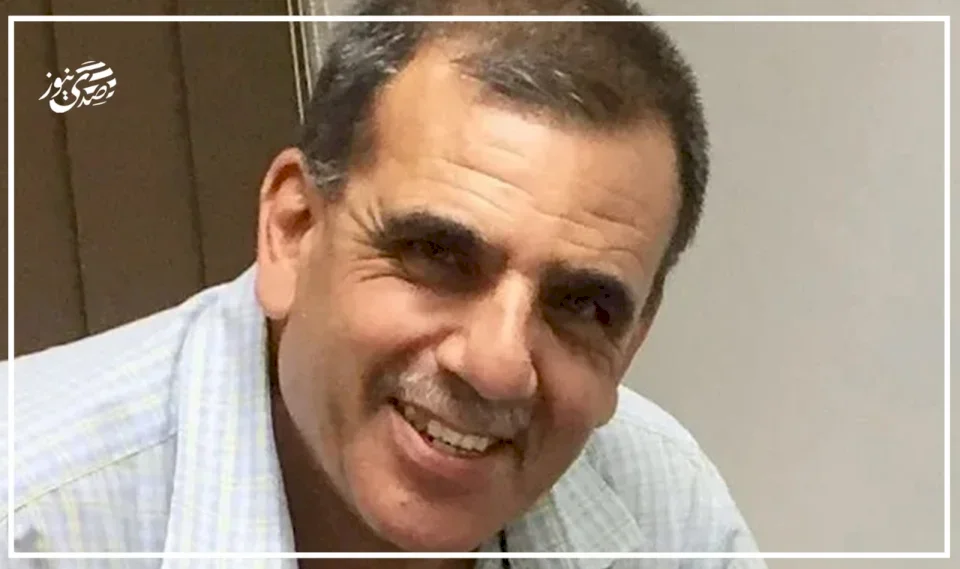
What Does It Mean for Prisoner Marwan Barghouti to Be Punished with Solitary Confinement?!
According to the Hebrew newspaper "Haaretz", the Israeli occupation authorities have carried out what it described as punishing prisoner leader Marwan Barghouti by intensifying his solitary confinement. According to the Israeli newspaper, this came after he refused to meet his colleague in the Central Committee of Fatah Movement, Palestinian Vice President Mahmoud Abbas, Hussein Sheikh, who apparently approached prisoner Barghouti to obtain his approval on organizational appointments.
According to "Haaretz", Barghouti, who received the highest votes in the eighth Fatah conference elections last May and topped the Central Committee list, insisted on refusing to meet with Sheikh, which indicates his rejection of the undemocratic division logic that Sheikh and his supporters followed in distributing the committee's tasks among its members.
Palestinian circles expressed their concern that the decision to punish Barghouti by intensifying solitary confinement is part of an understanding between Palestinian factions and the occupation authorities aimed at isolating him from any influences that could highlight Sheikh's exclusivity in decision-making and his attempts to marginalize the historical leaders of the movement.
It is noteworthy that Barghouti's refusal—if the news from "Haaretz" is accurate—and it is unclear whether it was coordinated beforehand or not—aligns with the stance of Central Committee members Jibril Rajoub and Mahmoud Aloul, who boycotted the committee meeting in protest against Hussein Sheikh's monopoly and backed by President Mahmoud Abbas in distributing the committee according to his whims, which contradicts the rules and internal regulations of the Fatah Movement, according to statements by the team of Jibril Rajoub.
Punishing Barghouti by intensifying solitary confinement can only be described as a form of pressure exerted on him to submit to what is dictated to him, and to tame him to proceed with the policies of the dominant faction in the Palestinian Authority, which the occupation authorities see as serving their interests. The statements of some Israeli officials regarding the necessity to end and eliminate the Palestinian Authority are just a form of "face-saving"—if we may express it that way—before the Palestinian public, and to dissuade him from contemplating any actions that might jeopardize its existence.
The absence of leaders like Aloul and Rajoub, and their boycott of the Central Committee meetings, followed by Barghouti's refusal, who has become the only resistance figure in the Palestinian arena, reflects the extent of Fatah's anger at the approach taken by Sheikh and, before him, President Mahmoud Abbas and their supporters among the Fatah members. More dangerously, it also reflects the defamation and serious accusations that are circulated in internal councils at a time when the Fatah Movement, the largest Palestinian faction, is in dire need of unity and cohesion, to formulate a strategy that aligns with the current phase first, and then transcends the grave risks and highly sensitive and complex circumstances enveloping the Palestinian cause, with its major issues, topped by Jerusalem, refugees, and prisoners.
Many believe that the inputs of the eighth Fatah conference, and then its outputs, revealed the structural disagreements within the movement, especially regarding representation in both its organizational and geographical aspects, which left additional scars on the already ailing body of the movement. This has led the majority of Fatah members to view Barghouti, who is serving multiple life sentences and has been detained for over 24 years, as a savior of the movement from extinction and fading into the depths of history, and a symbol of Palestinian unity. It is no longer a secret to say that the majority of the Palestinian people, young and old, boys and girls, women and men, consider Barghouti one of the fundamental pillars of the national struggle. They have known him as a young revolutionary during the first Intifada, a field leader during the second Intifada, a staunch politician defending his people's rights, and a steadfast prisoner in the occupation's jails, unwaveringly attached to national constants, and a follower of the Arafatian school keen on addressing the pains and concerns of his people. He has become, without a doubt, the Mandela of Palestine, and more importantly, Barghouti has emerged as the most likely figure to lead the Palestinian people, irrespective of his imprisonment. Perhaps this is the most significant reason behind the lack of insistence on securing his release, especially since the presence of a leader like Barghouti in the field contradicts the interests of the faction controlling the Fatah Movement. Should fate allow him to break free from his chains and emerge into the light, he will find before him fields of mines limiting his movement, and issues of utmost precision and complexity that are far removed from the current concerns of the influential within Fatah, especially regarding national unity and the political and geographical division between the West Bank and Gaza Strip, among other issues that the occupation authorities aim to resolve in their favor, taking clear advantage of absolute American support, and European support to a certain extent, a torn Arab situation, a disgraceful Islamic scenario, and a divided Palestinian situation that is preoccupied with concerns far removed from the anxieties of the Palestinian people, with no practical official Palestinian action to alleviate the suffering endured by the sons of the Palestinian Arab people. Furthermore, the official Palestinian side persists in its policies accommodating the engineering of the occupation and the international community regarding the pillars of the authority, which, for the most part, are legitimate but are intended to be misused, particularly concerning combating corruption, cutting the salaries of martyrs and prisoners, and other demands that do not serve the higher interests of the Palestinian Arab people, without any recognition that the national unity that the current Palestinian leadership still fails to achieve has become a safety valve in strengthening the steadfastness of the Palestinian Arab people.
Hence, amid the weakened and torn Fatah and Palestinian national situation, the importance of having a leader like Marwan Barghouti arises, as he is a unifying figure for different segments of the Palestinian Arab people, capable of achieving national unity and ending the political and geographical division between the West Bank and Gaza Strip, owing to his charisma which enjoys broad popular acceptance, reinforced by his long history of struggle before and after imprisonment, which the powerful within Fatah and the Palestinian Authority fear, as well as a considerable degree of popular Arab, international, and official support.
According to "Haaretz", Barghouti, who received the highest votes in the eighth Fatah conference elections last May and topped the Central Committee list, insisted on refusing to meet with Sheikh, which indicates his rejection of the undemocratic division logic that Sheikh and his supporters followed in distributing the committee's tasks among its members.
Palestinian circles expressed their concern that the decision to punish Barghouti by intensifying solitary confinement is part of an understanding between Palestinian factions and the occupation authorities aimed at isolating him from any influences that could highlight Sheikh's exclusivity in decision-making and his attempts to marginalize the historical leaders of the movement.
It is noteworthy that Barghouti's refusal—if the news from "Haaretz" is accurate—and it is unclear whether it was coordinated beforehand or not—aligns with the stance of Central Committee members Jibril Rajoub and Mahmoud Aloul, who boycotted the committee meeting in protest against Hussein Sheikh's monopoly and backed by President Mahmoud Abbas in distributing the committee according to his whims, which contradicts the rules and internal regulations of the Fatah Movement, according to statements by the team of Jibril Rajoub.
Punishing Barghouti by intensifying solitary confinement can only be described as a form of pressure exerted on him to submit to what is dictated to him, and to tame him to proceed with the policies of the dominant faction in the Palestinian Authority, which the occupation authorities see as serving their interests. The statements of some Israeli officials regarding the necessity to end and eliminate the Palestinian Authority are just a form of "face-saving"—if we may express it that way—before the Palestinian public, and to dissuade him from contemplating any actions that might jeopardize its existence.
The absence of leaders like Aloul and Rajoub, and their boycott of the Central Committee meetings, followed by Barghouti's refusal, who has become the only resistance figure in the Palestinian arena, reflects the extent of Fatah's anger at the approach taken by Sheikh and, before him, President Mahmoud Abbas and their supporters among the Fatah members. More dangerously, it also reflects the defamation and serious accusations that are circulated in internal councils at a time when the Fatah Movement, the largest Palestinian faction, is in dire need of unity and cohesion, to formulate a strategy that aligns with the current phase first, and then transcends the grave risks and highly sensitive and complex circumstances enveloping the Palestinian cause, with its major issues, topped by Jerusalem, refugees, and prisoners.
Many believe that the inputs of the eighth Fatah conference, and then its outputs, revealed the structural disagreements within the movement, especially regarding representation in both its organizational and geographical aspects, which left additional scars on the already ailing body of the movement. This has led the majority of Fatah members to view Barghouti, who is serving multiple life sentences and has been detained for over 24 years, as a savior of the movement from extinction and fading into the depths of history, and a symbol of Palestinian unity. It is no longer a secret to say that the majority of the Palestinian people, young and old, boys and girls, women and men, consider Barghouti one of the fundamental pillars of the national struggle. They have known him as a young revolutionary during the first Intifada, a field leader during the second Intifada, a staunch politician defending his people's rights, and a steadfast prisoner in the occupation's jails, unwaveringly attached to national constants, and a follower of the Arafatian school keen on addressing the pains and concerns of his people. He has become, without a doubt, the Mandela of Palestine, and more importantly, Barghouti has emerged as the most likely figure to lead the Palestinian people, irrespective of his imprisonment. Perhaps this is the most significant reason behind the lack of insistence on securing his release, especially since the presence of a leader like Barghouti in the field contradicts the interests of the faction controlling the Fatah Movement. Should fate allow him to break free from his chains and emerge into the light, he will find before him fields of mines limiting his movement, and issues of utmost precision and complexity that are far removed from the current concerns of the influential within Fatah, especially regarding national unity and the political and geographical division between the West Bank and Gaza Strip, among other issues that the occupation authorities aim to resolve in their favor, taking clear advantage of absolute American support, and European support to a certain extent, a torn Arab situation, a disgraceful Islamic scenario, and a divided Palestinian situation that is preoccupied with concerns far removed from the anxieties of the Palestinian people, with no practical official Palestinian action to alleviate the suffering endured by the sons of the Palestinian Arab people. Furthermore, the official Palestinian side persists in its policies accommodating the engineering of the occupation and the international community regarding the pillars of the authority, which, for the most part, are legitimate but are intended to be misused, particularly concerning combating corruption, cutting the salaries of martyrs and prisoners, and other demands that do not serve the higher interests of the Palestinian Arab people, without any recognition that the national unity that the current Palestinian leadership still fails to achieve has become a safety valve in strengthening the steadfastness of the Palestinian Arab people.
Hence, amid the weakened and torn Fatah and Palestinian national situation, the importance of having a leader like Marwan Barghouti arises, as he is a unifying figure for different segments of the Palestinian Arab people, capable of achieving national unity and ending the political and geographical division between the West Bank and Gaza Strip, owing to his charisma which enjoys broad popular acceptance, reinforced by his long history of struggle before and after imprisonment, which the powerful within Fatah and the Palestinian Authority fear, as well as a considerable degree of popular Arab, international, and official support.
This article expresses the opinion of its author and does not necessarily reflect the opinion of Sada News Agency.
 Follow the latest Sada News via Google News
Read Also

Between Political Discourse and People's Pain... When Review Becomes a National Necessity

Gaza: An Unimplemented Agreement and a War Waged Without Announcement

What Does It Mean for Prisoner Marwan Barghouti to Be Punished with Solitary Confinement?!

American Independence Day: A Holiday of Freedom or a Commemoration of Domination?

Observations on the World Cup

Between Opposition Silence and the Content of Presidential Decrees... Who Reviews the New...

After the Municipal Elections... Will Palestinian Electoral Behavior Change?
