
Strong Economic Recovery Expected in the Middle East and North Africa as War Comes to an End
SadaNews - "BMI" under "Fitch Solutions" expects the Middle East and North Africa region to experience a strong economic recovery in 2027 after a rare contraction this year due to the repercussions of the US-Iranian war and disruptions in navigation and energy in the region.
The institution stated in a recent report that the region's GDP is projected to grow by 6.6% next year following a contraction of 0.9% in 2026. This growth will be driven by a rebound in oil and gas production, improved conditions in trade, tourism, and services, in addition to reconstruction activities after the end of the conflict.
Second Contraction in Four Decades
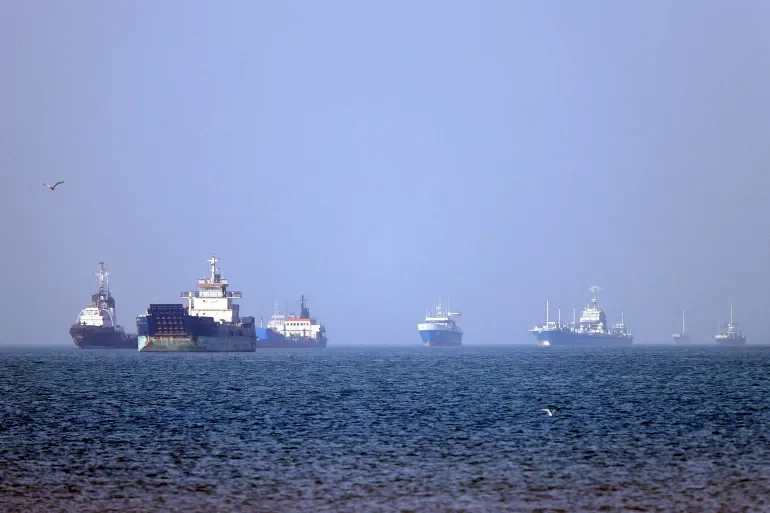
This year's expected contraction in the region will be the second in four decades, following the contraction recorded during the COVID-19 pandemic in 2020, due to damage to the oil and gas sector in Gulf countries, Iraq, and Iran caused by shipping disruptions in the Strait of Hormuz and damage to infrastructure.
The weakness in the hydrocarbons sector will push economies towards contraction in the Gulf Cooperation Council countries, Iraq, and Iran in 2026, as production is affected by disruptions in the Strait of Hormuz, production interruptions, and infrastructure damage. The report noted that "economies with alternative export routes will be in a better position, with Saudi Arabia expected to grow by 1% this year, followed by a projected growth next year between 6.5% and 7%.
Conversely, economies in Bahrain, Iraq, Kuwait, and Qatar are expected to contract by 5% or more, while Iran will face a contraction of over 7% amid widespread war damage, job losses, and restrictions on oil exports, according to the report.
Signing of Memorandum of Understanding between Iran and the US
These expectations came in a report released after the United States and Iran reached a "Memorandum of Understanding" to cease hostilities and restore navigation in the Strait after more than 100 days since the launch of US-Israeli attacks against Iran.
BMI had based its baseline expectations in May on the premise of reaching a negotiated settlement to the conflict by mid to late June, considering the new agreement aligns with this scenario and does not currently necessitate adjustments to its economic forecasts for the region.
According to the report, the Gulf Cooperation Council countries are expected to lead the recovery wave, with a projected rebound from a contraction of about 1% in 2026 to strong growth of 8.2% next year, marking the fastest rate of economic expansion for the Gulf region since 2022.
Expected Recovery in Oil Production
Hydrocarbon production is anticipated to witness a significant recovery as producers compensate for the quantities lost during the war, with the UAE emerging as one of the largest beneficiaries thanks to expectations of double-digit growth in oil production after its exit from the OPEC alliance and the increase in its export capacity through the Port of Fujairah away from the Strait of Hormuz, according to the report. Both Iraq and Iran are also expected to see uneven economic recoveries next year.
The report anticipated that signs of recovery would begin to appear in the second half of this year with the gradual return of shipping traffic through the Strait of Hormuz, where oil exports will recover first and support economic activity, while oil tanker traffic is expected to take between two to three months to return to pre-war levels, while the recovery of container shipping will be relatively slower.
BMI expects that the economies of North Africa will help support the regional recovery, with Egypt's growth accelerating to 4.8% during the fiscal year 2025-2026, and Morocco's growth continuing at 4.1%, supported by improved agricultural production, a rebound in car exports, and strong domestic demand.
Despite the optimistic outlook for 2027, the report warned that the pace of recovery will remain linked to how quickly the Strait of Hormuz is reopened and the removal of sea mines, in addition to the course of negotiations regarding the Iranian nuclear program, noting that any delay in restoring normal navigation may pose a risk to its economic forecasts for the region.
 Follow the latest Sada News via Google News
Strong Economic Recovery Expected in the Middle East and North Africa as War Comes to an E...

Oil Continues to Flow Through Hormuz as Tankers Cross Stealthily

Gold prices rise supported by the signing of a temporary peace agreement between the US an...

In Line with Expectations.. The "Federal Reserve" Keeps Interest Rates Steady for the Four...

10,000 Inactive Wells and High Costs.. Why the Oil Market Won't Return to Pre-Iran War Lev...

Gasoline gallon at 30,000 pounds.. Fuel crisis strangles the Sudanese capital

Qatar Returns Gas Carriers to the Middle East in Preparation for Reopening the Strait of H...