

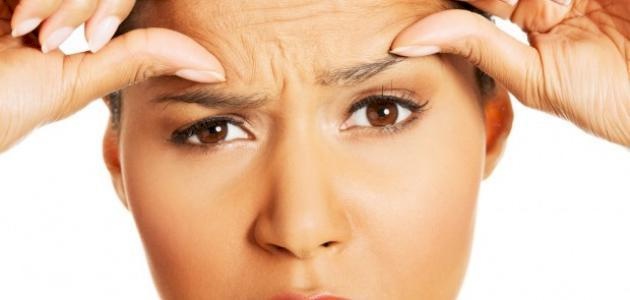
When the Mirror Reveals Deficiency... 4 Changes in Your Facial Features Indicate Protein Deficiency
SadaNews - The changes you notice in your face in the mirror, such as dryness, puffiness, or loss of fullness, may not just be a result of fatigue or aging, but in some cases, they might reflect a deficiency in a key nutrient: protein.
In addition to its role in building muscles, protein plays a crucial role in the health of the skin, hair, and tissues that define facial features, making long-term deficiency capable of causing noticeable changes in external appearance.
A report published by "Verywell Health" highlights the most prominent signs that may indicate protein deficiency in the body and how this can reflect on facial features and overall health.
1. Hair Loss or Thinning
One of the main signs of potential protein deficiency is changes in hair.
Nutritionist Kristen Kominski states that hair follicles are very sensitive to the availability of protein since they are not "essential" tissues for the body, leading the body to reduce their nourishment when intake decreases.
In other words, the body starts prioritizing vital organs, while attention to hair declines, which may result in thinning hair, increased shedding, or breakage, along with loss of shine.
This is related to keratin, the primary protein that hair is made of, according to dermatologist David Johnson. When protein in the diet decreases, the materials necessary to maintain hair strength drop, making it weaker and more prone to shedding.
2. Dry Skin and Loss of Elasticity
Protein also supports collagen production, which is a key protein that gives skin its elasticity and firmness.
If protein intake is consistently low, collagen production may slow down, leading to fine lines, decreased skin elasticity, and a tired appearance that does not respond easily to skincare products.
Doctors also point out that protein deficiency may make the skin more sensitive and less resilient, with slower wound healing, increased dryness, and prominence of fine lines.
3. A Thinner or Less Full Face
Protein helps maintain muscle mass in the body. When it is deficient, the body may start to use muscles as an energy source, resulting in gradual loss of muscle mass.
This can also show on the face, as areas like the cheeks and temples may appear thinner or sunken due to the loss of muscular and collagen support that maintains facial fullness.
4. Facial Puffiness or Around the Eyes
In some cases, protein deficiency can lead to the opposite effect, causing puffiness in the face or around the eyes.
This is associated with a protein known as "albumin," which helps maintain fluid balance within blood vessels. When its levels drop, some fluid may leak into surrounding tissues, resulting in visible swelling in the face.
However, doctors emphasize that facial puffiness can have multiple causes, such as lack of sleep, allergies, hormonal changes, certain diseases, or medications. Therefore, sudden or severe swelling requires medical consultation.
 Follow the latest Sada News via Google News
FIFA Referees Committee, Led by Colina, Clarifies Cases from Egypt vs. Argentina Match

The Egyptian Federation Files Official Complaint Against Referee Letexier

Do You Know How to Comfort Someone Who is Crying? Here's What to Say and Do in Tough Momen...

"Backrooms": From Digital Legend to Cinematic Phenomenon

Prediabetes.. The Silent Bomb Carried by Millions Without Their Knowledge

From Sweden 1958 to the Epic of Egypt 2026.. Argentina's History with World Cup Comebacks

After the South Africa Precedent.. Nigeria Investigates the Encroachment of Technology Com...
