

Everyday Foods Filled with Microplastic Particles
SadaNews - Microplastic particles are found in nearly everything we consume, including water, and they are difficult to avoid completely, but knowing their main sources helps reduce exposure.
Laboratory experiments indicate that small plastic pieces that find their way into the human intestines can negatively affect the beneficial bacteria and other microbes that normally reside there, known as the gut microbiome.
Researchers at a conference of the European Association for Gastroenterology reported that some changes caused by microplastic particles in gut microbes inside test tubes were similar to changes observed in cases of depression, colorectal cancer, and other diseases, according to the Reuters news agency.
The "Very Well Health" website reviewed several everyday foods that are filled with microplastic particles.
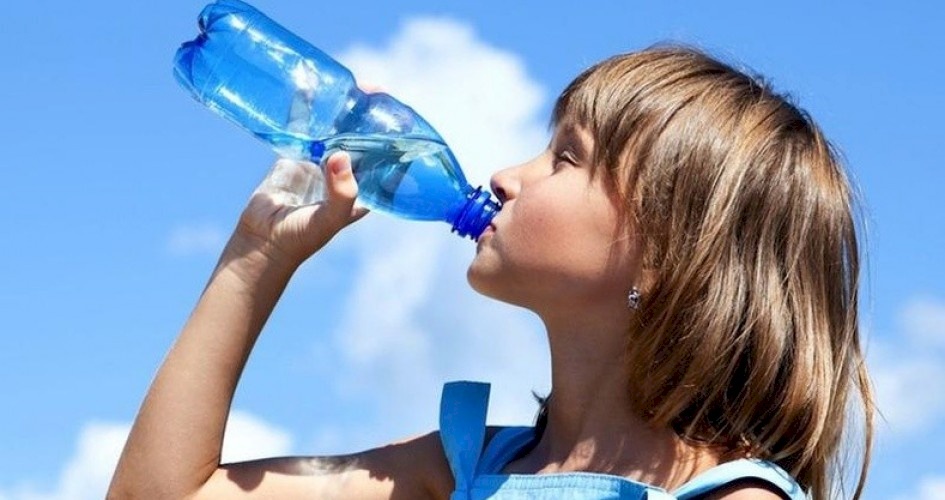
Bottled Water
Bottled water in plastic containers is convenient and often essential for those who cannot access clean drinking water, but it is a major source of microplastic particles.
Single-use plastic bottled water is more likely to have plastic contamination than tap water, and even simply opening the bottle cap can release microplastic particles into the water.
In one study, researchers found that one liter of bottled water contained about 240,000 microplastic pieces, most of which were nano-sized plastic particles, even smaller than microplastic particles, and often formed as a result of the degradation of microplastic particles.
Processed Protein... Even Plant-Based
Processed protein, such as frozen chicken pieces and plant-based meat alternatives, is another source of microplastic particles.
One study found that processed protein products expose American adults to about 11,000 microplastic particles annually, and although minimally processed packaged meats contain some contamination, it's not to the same extent.
Fast Food
Ready-to-eat food packaging and fast-food containers are other common sources of exposure to microplastic particles, and the plastic gloves worn by food workers during preparation may also transfer microplastic particles to the food itself.
When these single-use gloves end up in the trash, they also contribute to plastic waste and degrade into more microplastic particles in the environment.
Dairy Products
The plastic problem in dairy products, such as milk and cheese, is not limited to packaging or manufacturing. The bigger problem is that the chemical compounds that make up plastic tend to bind with fat molecules; thus, high-fat foods may be more prone to contain plastic due to the availability of suitable conditions. Researchers have also found microplastic particles in human breast milk.
Rice
Highly processed instant rice products typically contain significant amounts of plastic.
Researchers in Australia estimated that every half-cup of consumed rice results in the ingestion of about 3 to 4 milligrams of plastic.
Choosing less processed rice types, as some evidence suggests, and washing rice before cooking may reduce plastic contamination.
Chewing Gum
One study showed that chewing a piece of gum for just two minutes releases microplastic particles in the mouth, and researchers found that even natural gum contains microplastic particle contamination; thus, even if you don't swallow the gum itself, you may swallow the plastic that enters your saliva.
Tea Bags
Commercial tea bags are often made from plastic materials. Steeping a tea bag in boiling water could release billions of microplastic particles.
If you don’t drink tea but buy ready-made morning coffee, the cups and lids that are thrown away after use at most fast-food coffee shops are often lined with plastic, and there is evidence that heat causes it to leach into your beverage.
Can You Avoid Microplastic Particles?
The site stated that unless you grow and process all your food and water yourself, you will not have complete control over everything in the manufacturing process, and what you can do is increase your awareness of common sources of microplastic particles in your daily life and make simple changes to reduce your exposure.
For example, you can buy a reusable water bottle or travel mug. Instead of tea bags, try making loose tea and pay attention to how often you rely on fast food and eat at home or order takeout, and try to cook at home more whenever you can, especially using fresh foods instead of processed ones and don’t forget to wash your rice thoroughly.
 Follow the latest Sada News via Google News
After Deschamps' Departure... Zinedine Zidane Tops the Candidates to Lead France

Mbappe Surpasses Messi and Becomes the All-Time Top Scorer in the World Cup

England Defeats France and Achieves Largest World Cup Achievement Since 1966

Messi Refused to Play for Spain and Missed 3 World Cups

Publishers Sue Google for Allegedly Using Books to Train Artificial Intelligence

Google Expands Capabilities of Google Search Console to Support Social Media Accounts

The Mediterranean Table... An Ancient Diet Revealing Its New Secrets for Health and Longev...
