

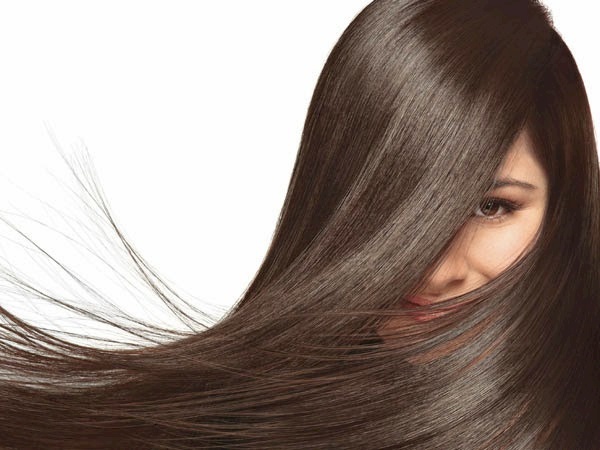
An Essential Nutritional Supplement for Hair: What Do We Know About Vitamin B3?
SadaNews - Maintaining healthy and strong hair is a common goal among most women who seek to achieve it through various means.
Alongside the interest in natural oil baths, peptide-rich serums, light therapy masks, and the focus on taking dietary supplements like biotin and zinc, there is a nutritional supplement that does not receive the attention it deserves, which is Vitamin B3 that plays a very important role in maintaining hair health.
Its Characteristics and Advantages
Vitamin B3 is also known as niacin or vitamin PP. It is one of the eight vitamins in the B group. It is essential for energy production from food and plays a crucial role in skin and hair health, in addition to its role in digestive and nervous system functions. This vitamin is available in three different forms, each with its role and benefits:
• Niacin: Helps improve blood circulation and lowers bad cholesterol while raising good cholesterol. It is considered the most beneficial for hair growth.
• Niacinamide: Widely used in skincare products due to its skin barrier-strengthening and anti-aging properties. It shares stimulating properties with niacin but does not affect cholesterol.
• Inositol hexanicotinate: Considered one of the forms of niacin that provides similar benefits without causing facial redness or irritation.
How Does It Support Hair Growth?
Niacin works to improve circulation throughout the body, including the scalp. This occurs by dilating small blood vessels, allowing more oxygen and nutrients to reach hair follicles. It also helps generate cellular energy, which is vital because hair follicles are among the fastest-growing tissues in the body and require continuous energy.
Vitamin B3, by enhancing nutrient delivery to the scalp, stimulates hair growth, increases its density, and reduces hair loss. This vitamin delays hair follicles from entering the regression phase of growth, effectively prolonging the active growth phase and maintaining hair density.
Vitamin B3 stimulates the production of keratin, which makes up about 98 percent of the hair shaft, resulting in flexible and strong strands. This vitamin supports the protective barrier of the scalp, improving its hydration and protecting it from dryness that can lead to hair thinning.
Signs of Deficiency of This Vitamin
Severe deficiency of vitamin B3 is rare, but slight decreases can also lead to increased hair loss, development of extensive alopecia, increased dryness and brittleness of hair, as well as dry scalp and dandruff. The available means to compensate for this deficiency are as follows:
• Food Sources: Consuming foods rich in niacin helps increase vitamin B3 levels. The main foods include: fish, poultry, beef, nuts, legumes, and whole grains.
• Topical Products: There are types of serums and shampoos enriched with niacinamide available for direct application on the scalp, which may provide benefits for regulating oil secretion and repairing the skin barrier.
• Dietary Supplements: Vitamin B3 supplements are a suitable option to enhance its levels in the body. It is noted that the recommended dosages vary from person to person, so it is advisable to consult a pharmacist or doctor to determine the appropriate dosage, and treatment with these supplements should continue for no less than three months.
 Follow the latest Sada News via Google News
After Deschamps' Departure... Zinedine Zidane Tops the Candidates to Lead France

Mbappe Surpasses Messi and Becomes the All-Time Top Scorer in the World Cup

England Defeats France and Achieves Largest World Cup Achievement Since 1966

Messi Refused to Play for Spain and Missed 3 World Cups

Publishers Sue Google for Allegedly Using Books to Train Artificial Intelligence

Google Expands Capabilities of Google Search Console to Support Social Media Accounts

The Mediterranean Table... An Ancient Diet Revealing Its New Secrets for Health and Longev...
