

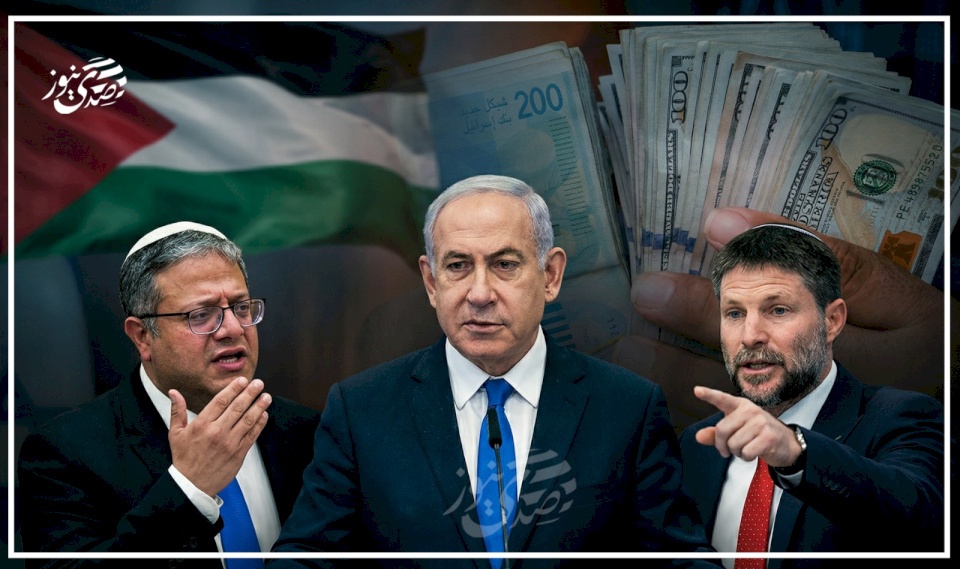
Between March Budget and October Elections: Israel's Internal Calculations and Their Implications for the Palestinian Authority
SadaNews Exclusive: Israel is entering a highly complicated political phase, where internal party calculations intertwine with international and regional pressures at a sensitive moment when the balance of power within the Israeli government is being reshaped. The Palestinian National Authority finds itself at the eye of the storm, trapped between a suffocating financial crisis and Israeli changes that could completely redraw the scene. While Israeli parties are preoccupied with the battle for survival until the budget is approved in March, the West Bank emerges as the most sensitive challenge, given the extensive security and political ramifications of any shake-up in the Palestinian Authority's status.
Data indicates that Israel has effectively entered an early election campaign phase, where every government step has become material for internal conflict. The approval of the budget in March is viewed as the greatest test for the government's survival.
If successful in passing it, the government is likely to continue until the scheduled elections in October 2025, granting it relative stability that would allow for the continuation of security and political agreements, particularly those related to the ceasefire and the second phase of Gaza arrangements. Conversely, if the budget fails, the government will likely collapse, leading Israel into early elections in June due to disagreements within the coalition over resource distribution, opposition objections, and threats from Haredi parties that reject any recruitment formula into the army.
Despite this tense internal scene, influential parties within Israel, along with the American administration, prefer the current government to remain in place until October. This preference does not reflect political support for the government as much as a desire to maintain the continuity of existing agreements, especially since the government's collapse in March would plunge Israel into a political vacuum that would complicate any new agreements or negotiation steps during the election period.
Diplomatic sources tell SadaNews that Washington views the continuation of the current government as a guarantee against disrupting the political and security path, particularly concerning Gaza.
However, the greatest challenge lies not only in Gaza but also in the West Bank, which has become the focal point of international concern. While Washington monitors the arrangements for the second phase in the Gaza Strip, the West Bank represents the true test for stability. Diplomatic sources assert to SadaNews that the United States and European and Arab countries refuse the collapse or dissolution of the Authority, considering its existence a political and security necessity. Yet the main problem lies within the Israeli side, as Israeli Finance Minister Bezalel Smotrich refuses to transfer clearance funds for purely electoral reasons, fearing the loss of his extremist base if he concedes any terms regarding Palestinian funds, which makes it unlikely that he will change his position during the election year.
In light of this reality, the Palestinian Authority appears to be heading towards the most challenging financial year since its establishment. The absence of clearance funds, a decline in external support, and rising financial commitments are all factors that threaten its ability to pay salaries and run its institutions. Unless urgent Arab, European, and Western financial support is provided, the Authority will face a real existential crisis unless new international support channels are opened to ensure at least minimal financial stability.
Ultimately, it is clear that the fate of the Israeli government in March will determine the political shape of the year in the region, but the more dangerous challenge lies in the Palestinian Authority's ability to withstand this storm. While Washington seeks to stabilize calm in Gaza, the West Bank remains the most fragile link, with the Palestinian Authority being the party most affected by any upheaval in the internal Israeli scene.
 Follow the latest Sada News via Google News
Soaring Oil Prices Burn the Pockets of the Palestinian Citizen "The Poor"

Millions of Dollars in Losses.. "SadaNews" Reveals Shocking Figures for Traders from Pales...

The Problem of Shekel Overcrowding Worsens.. Fuel Station Owners Threatened with Closure o...

The Palestinian Economy at a Crossroads: 4 Files Awaiting Resolution

The National Economy and the Food Trade Syndicate: Food Stock Will Not Increase

Palestine Stock Exchange General Assembly Approves Dividend Distribution of 10% to Shareho...

Currency Exchange Rates Against the Shekel on Thursday (April 2)
