
This is How Israel Circumvents Exporting Settlement Products to Europe
SadaNews - A recent report from the "Global Eco" litigation center reveals that agricultural and food products from Israeli settlements established on occupied Palestinian lands are exported to European markets and are often sold as Israeli products, despite being produced in the occupied territories. This comes at a time when European countries affirm that the West Bank, East Jerusalem, and the Golan Heights are occupied lands under international law and are not part of internationally recognized Israel.
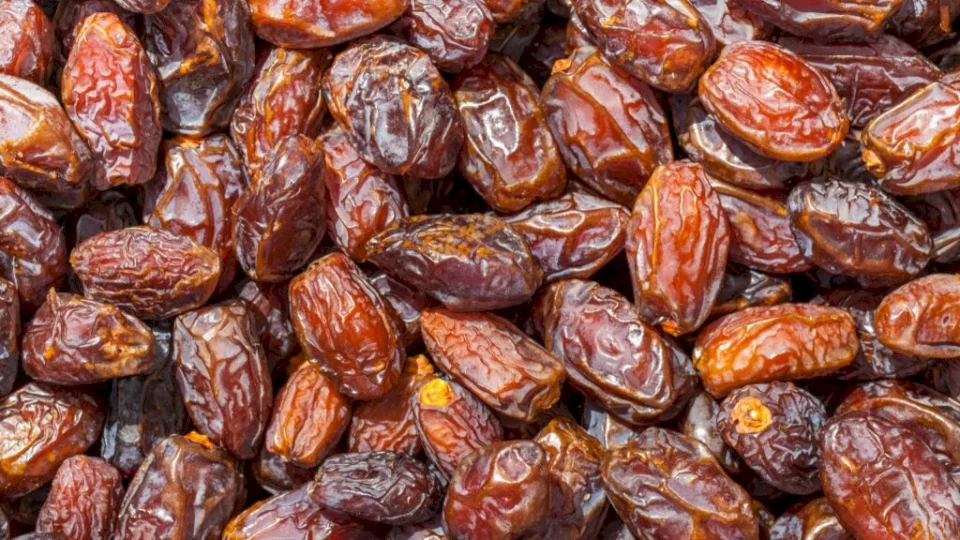
The report clarifies that the issue is not limited to dates only, but also includes citrus fruits, avocados, tahini, and other agricultural and food products exported to Europe under classifications that do not reflect their true place of production. According to the study conducted by the institute, which included over 5,900 agricultural shipments to EU countries, Britain, Norway, and Switzerland, 17.9% of these shipments are wholly or partly from settlements, a percentage described by the report's authors as a conservative estimate, as it relies solely on official shipping documents.
A large portion of these shipments enters Europe via the Netherlands, France, Germany, Belgium, and Slovenia, with the Netherlands alone accounting for nearly half of the quantities included in the investigation.
The report indicates that one of the main problems is classifying settlement products as "Made in Israel," allowing them to benefit from customs exemptions and facilitation provided by trade agreements between the European Union and Israel, while EU regulations prohibit these privileges from applying to products manufactured in settlements. Nevertheless, the report documented numerous cases where settlement products received the same preferential treatment as goods produced within the internationally recognized borders of Israel.
The report reveals that the concealment of the true origin is accomplished through various means, including the use of postal codes belonging to settlements in the West Bank, or registering other Israeli addresses instead of the actual production sites, or mixing settlement products with other Israeli products during joint packaging and exporting operations, complicating the tracing of their true source.
The investigation was based on the analysis of over 30,000 export documents for agricultural products over eight years, in addition to government data, field investigations, and interviews with sector officials. The results showed that 17.2% of more than 5,900 shipments to Europe came from settlements, with the percentage rising to 19.2% in EU countries, with the actual percentages likely being higher due to the difficulty of revealing the true origin of some shipments.
Additionally, a review of over 2,000 invoices indicated that 16.7% of shipments were incorrectly or deliberately classified as Israeli products to benefit from customs exemptions, amounting to 13.1 million euros. The report noted that the Israeli government compensated exporters for customs fees that were later canceled by nearly 63 million euros between 2005 and 2024, effectively limiting the impact of these fees.
The report also highlights that organic agriculture and phytosanitary certificates for settlement products are sometimes granted in a manner inconsistent with EU regulations, yet are accepted by some European customs authorities, weakening the effectiveness of existing monitoring systems.
The report concludes that the entry of these products into European markets under the label "Israeli products" misleads European consumers about their true origin and grants them commercial advantages that they should not receive according to European rules.
Despite the publicly declared European positions rejecting settlement activities, the report clarifies that imposing a comprehensive ban on settlement products faces legal, political, and practical obstacles. The trade policy within the European Union is managed collectively and requires broad consensus among member states. Moreover, there are disagreements among European countries regarding the nature of dealings with Israel, as some countries call for tightening trade restrictions while others refuse to take steps that could be interpreted as political sanctions or that would affect existing economic relations.
The report indicates that the European customs system often relies on self-declaration by exporters to determine the origin of goods, creating loopholes that allow settlement products to pass within broader supply chains without revealing their true source. Furthermore, the multiple stages of export and re-packaging within different European countries complicate tracing the actual origin of goods, even for customs authorities using advanced technologies, and limits the EU's ability to strictly distinguish between Israeli products and settlement products.
 Follow the latest Sada News via Google News
Soaring Oil Prices Burn the Pockets of the Palestinian Citizen "The Poor"

Millions of Dollars in Losses.. "SadaNews" Reveals Shocking Figures for Traders from Pales...

The Problem of Shekel Overcrowding Worsens.. Fuel Station Owners Threatened with Closure o...

The Palestinian Economy at a Crossroads: 4 Files Awaiting Resolution

This is How Israel Circumvents Exporting Settlement Products to Europe

Financial Reports Reveal: Israeli Food Companies Supply Goods Worth Hundreds of Millions o...

Currency Exchange Rates Against the Shekel on Monday (June 22)
