

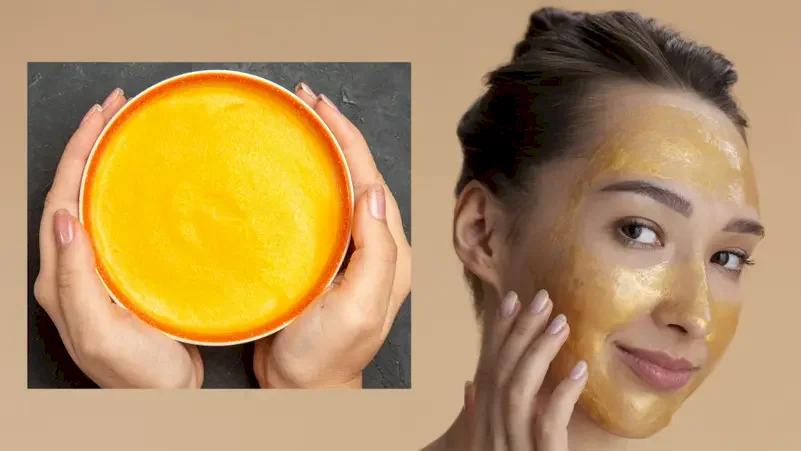
A New Trend in 2026: Skincare Begins with a Spoon of Ghee
SadaNews - In the world of beauty that has long promoted expensive serums and complex lab-made ingredients, a new trend is emerging that brings the focus back to the basics. After years of focusing on products applied to the skin, the attention is increasingly shifting towards what individuals consume daily, as skin health begins from within.
In 2026, traditional ghee is emerging as one of the key symbols of what is known as "nutritional luxury", a new philosophy that connects healthy eating with radiant skin. The interest in this traditional ingredient has been enhanced after renowned Indian actress Alia Bhatt revealed during her participation in the Cannes Film Festival that she relies on a snack containing ghee to maintain the freshness of her skin.
The trend is not limited to ghee alone, but reflects a broader transformation in the beauty industry. Consumers are becoming more inclined towards natural and less complicated solutions, with a growing awareness of the close relationship between nutrition and skin health.
Experts describe this trend as a shift from the concept of "skincare" to the idea of "caring for the body from within" where gut health and balanced nutrition are essential parts of any beauty routine. In this context, ghee has returned to the forefront as a nutrient-rich dietary ingredient, not just a fat used in cooking.
What Makes Ghee Special?
Traditional ghee contains a range of fat-soluble vitamins, most notably vitamins A, E, and K, which play an important role in maintaining skin health and regenerating its cells.
It also includes various types of fatty acids, including butyric acid, which is receiving increasing attention in studies related to gut health and inflammation control. Recent research suggests that these fats may help the body absorb certain nutrients necessary for the skin more efficiently, reflecting positively on skin elasticity and its ability to retain moisture.
However, researchers emphasize that these benefits are associated with an overall balanced diet and a healthy lifestyle, rather than relying on a single ingredient alone.
Skin Health Starts from the Gut
In recent years, there has been increasing interest in what is known as the gut-skin axis, a concept that explains the close relationship between digestive health and skin appearance. When the balance of beneficial bacteria in the gut is disrupted or inflammation levels in the body rise, the effects may manifest on the skin as loss of vitality, redness, or increased skin sensitivity.
Dermatologists and nutritionists believe that the healthy fats found in ghee can be part of a diet that supports gut health, which may reflect positively on the skin over time. Specialists also point out that the relationship between healthy fats and skin health has become increasingly clear compared to previous years, although there is a need for more long-term clinical studies to confirm these results.
What Does Science Say?
Despite the growing popularity of ghee, experts urge a realistic approach to its benefits. Current research indicates potential benefits associated with its nutritional components, but does not prove that consuming a spoonful of ghee daily will provide perfect skin or treat specific skin issues.
Recent scientific reviews clarify that butyric acid and some fatty acids found in ghee may possess anti-inflammatory properties, yet most of the strong evidence available so far is based on laboratory studies or animal research, while large-scale human studies remain limited.
Therefore, researchers confirm that ghee can be part of a healthy and balanced diet, but it is not a magic remedy for skin problems.
Can Ghee Be Used Directly on the Skin?
In addition to being consumed as part of the diet, ghee has also made its way back into some skincare products due to its moisturizing properties.
Specialized reports indicate that its fat-rich composition partially resembles the natural fats found in the skin's protective barrier, which may help reduce moisture loss and maintain skin softness.
However, dermatologists warn against the belief that natural fats are suitable for all skin types, as oily or acne-prone skin may not benefit from the direct use of ghee, and excessive use may clog pores for some individuals.
Additionally, the scientific evidence supporting the topical use of ghee is still limited compared to more widely studied skin ingredients, such as ceramides and hyaluronic acid.
A New Luxury in the Beauty World
The importance of ghee lies not only in its nutritional properties but also in the philosophy it represents. Instead of the continuous pursuit of the latest cosmetic innovations, this trend calls for focusing on essential daily habits such as food quality, gut health, adequate sleep, and stress management.
From this perspective, it is easy to understand why ghee is being described as the "new luxury" in the beauty world. It does not promise instant results or miraculous beauty fixes, but aligns with a holistic vision that considers healthy skin a direct reflection of overall body health.
As scientists continue to study its benefits more closely, ghee appears likely to remain prominently present in discussions related to beauty and wellness in the coming years.
 Follow the latest Sada News via Google News
3 Reasons Preventing Aliens from Visiting Earth

Diversity of Beaches and Stability Revitalize the Tourism Season in Latakia

A New Trend in 2026: Skincare Begins with a Spoon of Ghee

How Did the Ebola Virus Change Epidemiology?

Iraq's Fourth Failure.. Haaland Leads Norway to Their Best World Cup Statistics

A Smart Home Without Internet!.. It's More Possible Than You Think

An Important and Profound Lesson from a Vietnamese Proverb About Marital Relationships
