

How did the markets react to the signing of the Iran agreement and the Federal Reserve's decision?
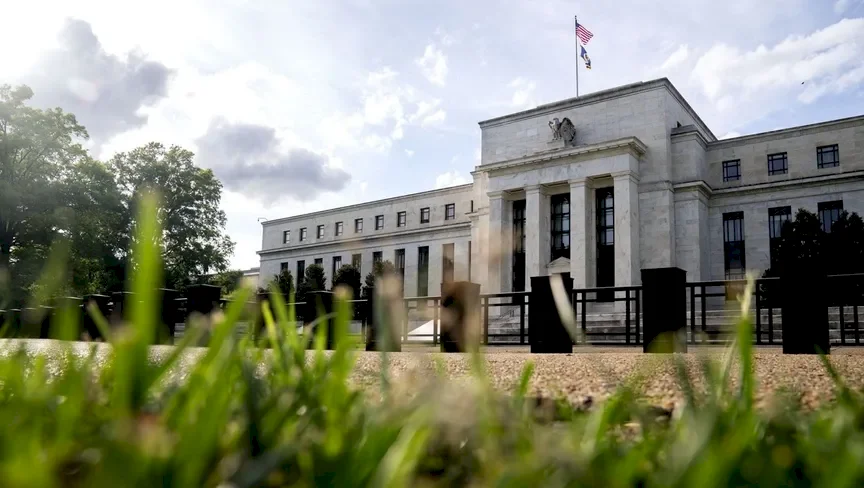
SadaNews - U.S. stock futures rose and oil prices fell after U.S. President Donald Trump signed a temporary agreement to end the war with Iran and reopen the Strait of Hormuz, which contributed to improved risk appetite after signals of monetary tightening from the Federal Reserve.
Futures linked to the S&P 500 index jumped by as much as 0.9%, while futures on the Nasdaq index rose by 1.1%. These moves followed a decline in the U.S. benchmark index of 1.2% on Wednesday after the Federal Reserve indicated that it may need to raise interest rates to control inflation.
Brent crude fell by more than 1.5%, heading towards $78 per barrel.
An index of Asian stocks rose for the fifth consecutive day, with Japan's Nikkei 225 index climbing by around 2%.
Expected Interest Rate Hike in Indonesia and the Philippines
The central bank in both Indonesia and the Philippines - two economies severely affected by the energy shock - is expected to raise the main interest rates by a quarter percentage point each on Thursday, according to most economists surveyed by Bloomberg. Forecasts suggest the Taiwan central bank will keep interest rates unchanged.
Most Asian emerging market currencies fell against the dollar on Thursday, including the Indonesian rupiah and the Philippine peso. In Japan, the yen dropped to its weakest level against the dollar since July 2024, raising the likelihood of government intervention. Investors remain concerned that the central bank is not tightening monetary policy quickly enough to contain inflation and stabilize the currency, even after raising the main interest rate to its highest level since 1995 earlier this week.
Stocks:
S&P 500 futures rose by 0.8% at 1:05 PM Tokyo time.
The Japanese Topix index increased by 1.4%.
The Australian S&P/ASX 200 index declined by 0.4%.
The Hang Seng index in Hong Kong fell by 1.7%.
The Shanghai Composite index dropped by 0.4%.
Futures on the Euro Stoxx 50 index decreased by 0.6%.
Currencies:
The Bloomberg dollar index fell by 0.2% on Thursday after rising by 0.7% in the previous session.
The euro increased by 0.2% to $1.1524.
The Japanese currency remained stable with little change at 160.58 yen to the dollar.
The Chinese yuan rose in the offshore markets by 0.2% to 6.7629 to the dollar.
The Australian dollar increased by 0.4% to $0.7040.
Cryptocurrencies:
Bitcoin fell by 0.4% to $64,142.91.
Ether dropped by 0.5% to $1,737.21.
Bonds:
The yield on 10-year U.S. Treasury bonds fell by 4 basis points to 4.45%.
The yield on 10-year Japanese bonds increased by 2.5 basis points to 2.620%.
The yield on 10-year Australian bonds rose by 1 basis point to 4.78%.
Commodities:
West Texas Intermediate crude fell by 1.9% to $75.33 per barrel.
Spot gold rose by 1.5% to $4,320.95 per ounce.
 Follow the latest Sada News via Google News
European and Asian Stocks Decline as U.S.-Iran Peace Talks Stumble

Gold Set to Suffer Third Consecutive Weekly Loss under Dollar Strength Pressure

Governor of Saudi Sovereign Fund: We are committed to all our investments and strategies w...

How did the markets react to the signing of the Iran agreement and the Federal Reserve's d...

أرامكو تدرس إنشاء مرافق تخزين كبرى حول العالم

Jordan's Central Bank Decides to Keep Interest Rates Steady

Strong Economic Recovery Expected in the Middle East and North Africa as War Comes to an E...
