

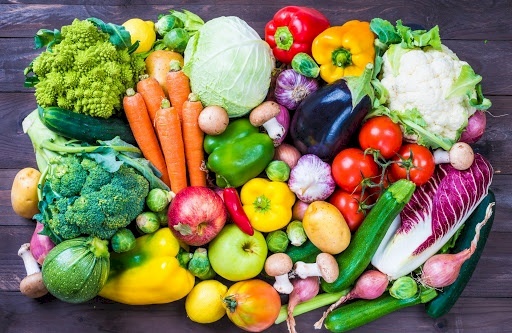
Controversial Study: Eating Healthy Foods May Be Linked to Lung Cancer
SadaNews - While fruits, vegetables, and whole grains are considered cornerstones of a healthy diet, a new American study has stirred controversy by linking excessive consumption of these foods among young non-smokers to an increased risk of lung cancer. Scientists are exploring the possibility that pesticide residues may be a contributing factor, with experts emphasizing that the results are preliminary and do not warrant abandoning healthy eating.
According to a report from "Health Line", researchers from the University of Southern California presented their findings during the annual meeting of the American Association for Cancer Research, which took place from April 17 to 22.
The study has not yet been published in a peer-reviewed scientific journal, but the researchers suggest that the results may be related to pesticide use in agricultural crops.
Jorge Niva, a lung cancer specialist at the "USC Norris" center and the principal investigator of the study, stated, "Our research shows that young non-smokers who consume larger amounts of healthy foods compared to the general population are at a higher risk for lung cancer."
He added that these "counterintuitive" results raise important questions about an unknown environmental risk factor associated with healthful foods that need to be investigated.
The researchers pointed out that commercially produced non-organic fruits, vegetables, and whole grains generally contain higher levels of pesticides compared to many processed foods, along with meats and dairy products.
Previous studies have also shown that agricultural workers exposed to pesticides have higher rates of lung cancer, which may support this hypothesis.
Jamie Johannes, a pulmonologist and intensivist at "Memorial Care Long Beach" medical center, who was not involved in the study, noted that this trend is "concerning," adding that understanding the reasons behind lung cancer in non-smokers requires further research.
Potential Link Between Healthy Food and Lung Cancer
The study included 187 patients diagnosed with lung cancer before the age of 50, who were asked to provide information about their smoking history, diet, and demographic data.
Most participants reported that they had never smoked, and they were diagnosed with a type of lung cancer that is biologically different from the type related to smoking.
The researchers used a "Healthy Eating Index" to compare their diets to the average American diet, which is measured on a scale from 1 to 100.
The young non-smoking lung cancer patients scored an average of 65 points, compared to an average of 57 points for the general American population.
The results also showed that women scored higher than men and that the patients consumed, on average, more fruits, vegetables, and whole grains compared to the rest of the population.
Are Pesticides the Cause?
The study authors clarified that further research is needed to assess the relationship between pesticides and lung cancer in young people, especially women.
They indicated that the next step would be to measure pesticide levels in blood and urine samples from lung cancer patients to confirm the existence of this link.
Niva stated that this study represents "an important step toward identifying modifiable environmental factors that may contribute to lung cancer in young adults," expressing hope that the findings will help guide public health recommendations and prevention research.
However, experts speaking to "Health Line" stressed that people should not reduce their consumption of fruits and vegetables based solely on this study, given the small sample size and the lack of proven direct causation.
Nutritionist Melissa Moroz-Blaniles emphasized that "decades of evidence confirm that diets rich in fruits and vegetables help reduce cancer risk, and we should not decrease plant food intake based solely on this study."
How to Reduce Exposure to Pesticides?
Experts affirm that pesticides are known for their carcinogenic properties, but eliminating or reducing them requires significant changes in food production systems.
George Shaw, an interventional pulmonologist at the "Providence St. John" health center, stated that thoroughly washing fruits and vegetables before consumption is very important.
He added, "I do not conclude from this data that people should shy away from a healthy diet rich in fruits and vegetables, which has been shown to improve overall health and reduce the risks of colon cancer and heart disease."
He also recommended not considering organic products as the only option due to their high prices, stressing that the best solution is to wash fruits and vegetables well before consumption.
For her part, clinical nutritionist Amy Braganini advised washing all fresh produce, whether organic or conventional, with cold water and a gentle scrub to reduce bacteria, dirt, chemicals, and pesticides.
She also encouraged purchasing local products from farmers' markets or growing some vegetables at home whenever possible.
 Follow the latest Sada News via Google News
World Cup: Algeria Exits the Tournament While Portugal Sets Up a Big Encounter with Spain

You Are No Longer Bound to Your Computer.. OpenClaw Reaches Mobile Phones Amid User Compla...

Senegal and Congo as Examples: Why Do Teams Collapse in the Final Minutes?

Heat Waves: Why Do Some People Die While Others Survive?

How 'The Last Miracles' Was Born from Naguib Mahfouz's Story? The Film Director Reveals th...

Hollywood Enters the 'Microdrama' Race, Betting on Smartphone Audiences

6 Surprises Await You at Samsung's Upcoming Conference.. What Will the Company Reveal?
