

Iran's War Dashes Egypt's Hopes for Suez Canal Recovery
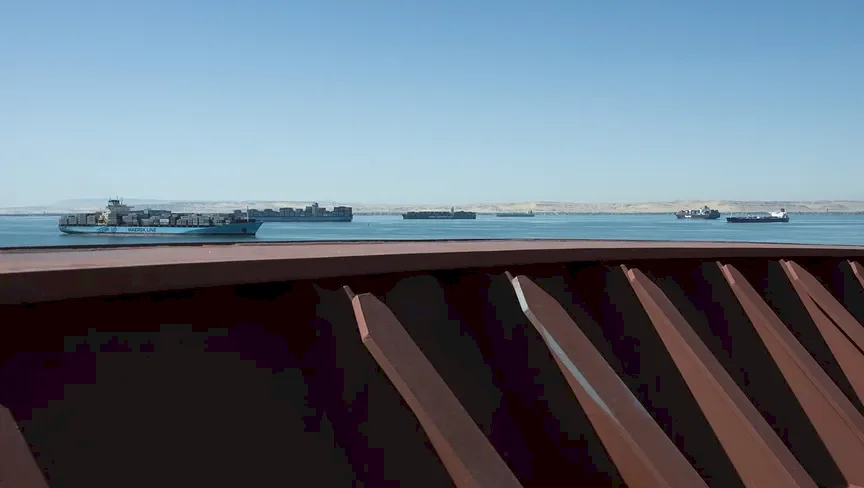
SadaNews - Shipping companies have returned to avoiding transit through the Suez Canal amid the involvement of the United States and Israel in a war with Iran, which has dashed hopes for the imminent recovery of the vital shipping route for global trade, a cornerstone of the Egyptian economy.
"A.P. Moller-Maersk," "Hapag-Lloyd," and the French "CMA CGM" announced the suspension of canal crossings and the redirecting of their shipping routes away from it, reflecting fears of a potential resumption of attacks by Iran-backed Yemeni rebels on vessels in the southern Red Sea.
Egyptian authorities had cautiously monitored signs of recovery this year, after "Maersk" and other shipping companies previously indicated a full return to using the shorter Suez Canal route between Asia and Europe, which they had primarily avoided since late 2023.
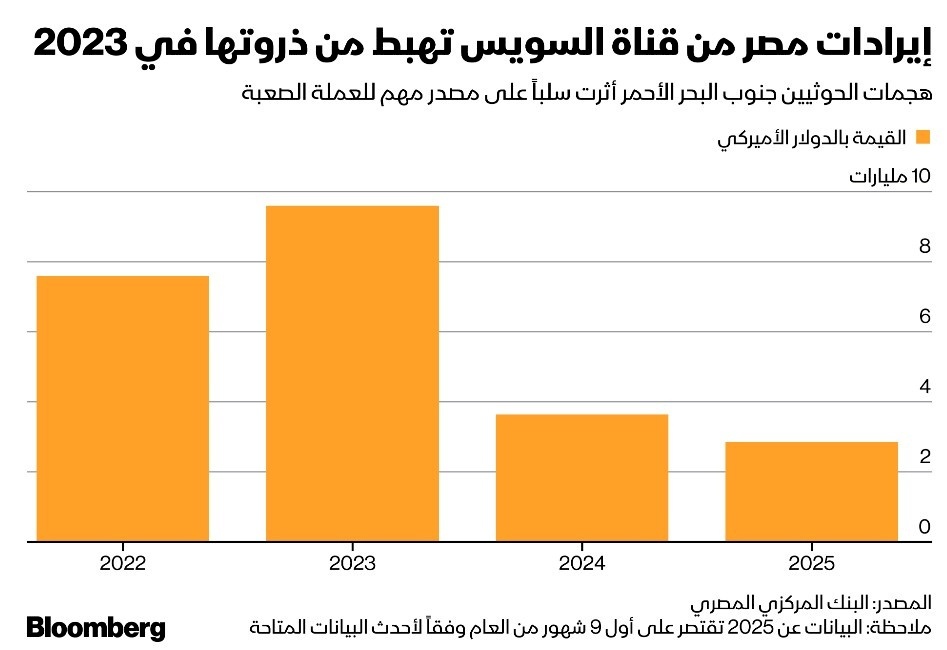
According to estimates from Cairo, its losses have amounted to about $9 billion in potential transit fees due to the disruptions caused by the Houthis, who targeted international vessels to pressure Israel due to the war in Gaza.
Iran's War Shatters Hopes for Navigation Resumption in the Suez Canal
Peter Sand, chief analyst at "Xeneta," a digital shipping platform based in Oslo, stated that U.S.-Israeli attacks on Iran "and the subsequent retaliatory actions will lead to further militarization of trade, undermining hopes for a widespread return of container ships to the Red Sea by 2026."
This development points to the strong implications of the latest conflict erupting in the Middle East on economies far from the heart of the confrontation. With Egypt, the most populous country in the region, relying on imports, it has become more susceptible to these disruptions, a factor that contributed to securing a global rescue package worth $57 billion in early 2024, while the war in Gaza was raging.
The Houthi militants in Yemen halted targeting vessels following a ceasefire agreement between Israel and Hamas in Gaza in October. Hours after the United States and Israel launched strikes on Iran on Saturday, the "Associated Press" quoted two rebel officials stating that the group would resume attacks. So far, there have been no signs of this threat being carried out.
As the war expands amidst missile and drone strikes by Iran in the Arabian Gulf, the Egyptian stock index has declined, and the pound has fallen to its lowest level since July. While Cairo imports Israeli gas, the country is currently taking steps to secure alternative energy shipments after Israel shut down several fields.
The Macro Economic Impact on Egypt is Unlikely
The Suez Canal has long been among the five most important sources of foreign currency for Egypt, alongside tourism and remittances from overseas workers. Data from the Central Bank of Egypt indicate that revenues jumped to a record level of about $9.6 billion in 2023, before declining to about $3.6 billion the following year as international shipping companies continued to shy away from the passage.
Mohamed Abu Basha, head of macroeconomic analysis at "EFG Hermes Investment Bank," believes that with the canal's revenues already "declining" over the past two years, it is unlikely that recent decisions will have an impact on the macro economy.
He stated that "revenues from remittances, non-oil exports, tourism, and foreign direct investment have compensated well for this decline." He added that although revenues began to recover in recent months, the "recovery started from a very low level."
Bank of America noted in a Monday memo that Egypt "is at risk due to increasing purchases and exposure to oil, but Gulf support may provide it with a margin of safety," adding that while "external financing conditions remain challenging," the recent approval by the International Monetary Fund of loans worth about $2.3 billion "provides short-term safety margins."
 Follow the latest Sada News via Google News
How did the markets react to the signing of the Iran agreement and the Federal Reserve's d...

أرامكو تدرس إنشاء مرافق تخزين كبرى حول العالم

Jordan's Central Bank Decides to Keep Interest Rates Steady

Strong Economic Recovery Expected in the Middle East and North Africa as War Comes to an E...

Oil Continues to Flow Through Hormuz as Tankers Cross Stealthily

Gold prices rise supported by the signing of a temporary peace agreement between the US an...

In Line with Expectations.. The "Federal Reserve" Keeps Interest Rates Steady for the Four...
