

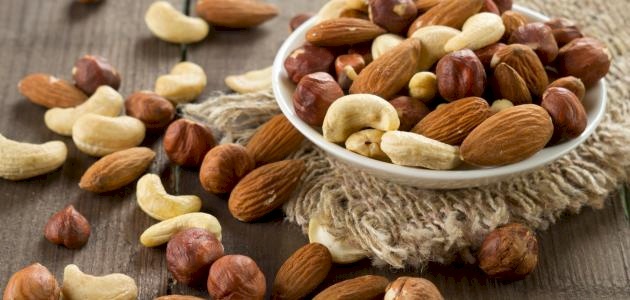
Between Walnuts and Peanuts: Which is Better for Heart Health?
SadaNews - Nuts and seeds are among the foods most associated with heart health, due to their content of unsaturated fats, fiber, and antioxidant compounds. Among the common types, both walnuts and peanuts stand out as preferred choices for many, but which one offers greater protection for the heart and helps control cholesterol levels?
Recent dietary reports indicate that both walnuts and peanuts provide clear benefits for heart health, although the nature of these benefits varies from one type to another, according to a report published by the "VerywellHealth" health website.
Walnuts are distinguished by their higher content of unsaturated fats, particularly monounsaturated and polyunsaturated fats, which are known for their role in lowering harmful cholesterol (LDL) and supporting vascular health. A single serving (28 grams) of walnuts contains about 21 grams of fats, most of which are healthy, compared to about 14 grams in peanuts.
Additionally, walnuts contain a lower percentage of saturated fats compared to peanuts, making them a suitable choice for those focusing on improving cholesterol levels and reducing the risk of heart diseases.
Conversely, despite being classified botanically as legumes, peanuts are notable for their high nutritional value, especially in terms of protein. A single serving provides about 7 grams of protein, which is more than double what walnuts provide.
Peanuts also contain compounds beneficial for heart health, most notably the antioxidant resveratrol, which helps improve vascular function, along with the amino acid arginine that aids in the production of nitric oxide, an important element for expanding blood vessels and lowering blood pressure. Peanuts are also a good source of niacin (Vitamin B3), known for its role in raising good cholesterol (HDL) and lowering triglycerides.
On the other hand, walnuts contain powerful plant compounds, such as polyphenols and flavonoids, which help prevent the oxidation of harmful cholesterol, a key step in the formation of arterial deposits. They also provide a good amount of dietary fiber and magnesium, supporting healthy blood pressure and overall heart health.
Despite the benefits of both types, nutrition experts warn against overconsumption due to their high calorie content. The American Heart Association recommends limiting intake to one serving per day (about 28 grams) to gain heart benefits without undesirable calorie increases.
In conclusion, it cannot be decisively said that one is absolutely better than the other. Walnuts excel in terms of healthy fats and antioxidants, while peanuts stand out as a rich source of protein and heart-supporting elements. The optimal choice remains to diversify between them within a balanced diet to achieve the maximum possible benefit for heart health and cholesterol levels.
 Follow the latest Sada News via Google News
After Deschamps' Departure... Zinedine Zidane Tops the Candidates to Lead France

Mbappe Surpasses Messi and Becomes the All-Time Top Scorer in the World Cup

England Defeats France and Achieves Largest World Cup Achievement Since 1966

Messi Refused to Play for Spain and Missed 3 World Cups

Publishers Sue Google for Allegedly Using Books to Train Artificial Intelligence

Google Expands Capabilities of Google Search Console to Support Social Media Accounts

The Mediterranean Table... An Ancient Diet Revealing Its New Secrets for Health and Longev...
