

Lactic Acid as a Retinoid Alternative for Sensitive Skin Care
SadaNews - Sensitive skin often struggles to tolerate retinoids, despite following all the instructions for applying this essential component in the cosmetic care routine, from gradually starting its use to adequately moisturizing the skin afterward. So, could lactic acid be the suitable alternative?
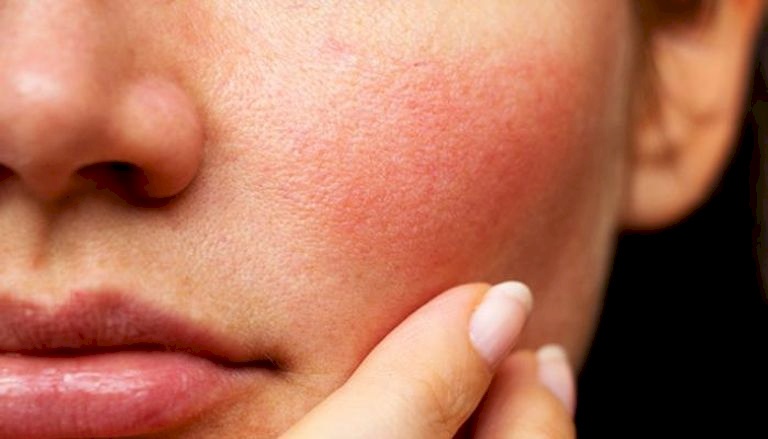
The best products for maintaining youthful skin can be harsh when dealing with dryness, sensitivity, eczema, or rosacea. In this case, lactic acid offers a suitable option for renewing the skin's surface, hydrating it, and smoothing fine lines without stressing it. This ingredient is a peeling acid that also acts as a moisturizer, making it a potential alternative to retinoids for sensitive skin.
- How It Works:
Lactic acid gently dissolves dead cells on the skin's surface. It enhances natural moisturizing factors, making it ideal for sensitive skin. Unlike many retinoid derivatives and harsh acids that can cause inflammation, lactic acid supports the cell renewal mechanism without disrupting the skin's protective surface layer, improving the skin's radiance and texture while reducing the early appearance of fine lines. This acid has a larger molecular size than some other alpha hydroxy acids, allowing it to penetrate more slowly and remain on the skin's surface. This slow effect reduces the risk of irritation, redness, or damage to the skin barrier.
- Its Effect:
Lactic acid can improve the skin's texture and color, as well as reduce superficial signs of aging like fine lines and loss of vitality. This is achieved by gently exfoliating dead cells, making the skin smoother, brighter, and more even over time. Regular use of lactic acid does not have the same effect as using retinoids, but it provides a gentle and consistent renewal of the skin, enhancing its quality, plumpness, and freshness. It is a good option for skin that cannot withstand strong active ingredients. This means that lactic acid cannot entirely replace retinoids, as the latter stimulates collagen and reduces wrinkles more effectively; however, when tolerance is an issue, lactic acid becomes the alternative.
- Its Properties and Advantages:
Lactic acid can be used on skin affected by eczema at low concentrations in creams or lotions, provided it is avoided on skin that is inflamed or cracked. It is worth noting that lactic acid's interaction with the skin varies depending on the product it is formulated in; often, moisturizing products enhance its tolerance, while serums may contain a higher concentration of this ingredient, and toners can cause a tingling sensation if the skin's protective layer is damaged.
- How to Use It:
The best way to use lactic acid is through gradual application at a low concentration on the skin. Once the skin becomes accustomed to it, the frequency of use can be gradually increased. Dermatologists suggest using it at a concentration between 5% and 10%, two to three times a week, on well-moisturized skin to achieve benefits in maintaining youth. The following steps should be followed when adding lactic acid to a skincare routine:
• Maintain a simple skincare routine: It is recommended to use lactic acid with soothing moisturizers such as ceramides, hyaluronic acid, and panthenol to minimize potential irritation, and to avoid using it with strong active ingredients like vitamin C, retinoids, or alpha and beta hydroxy acids.
• Use it at night: Lactic acid exfoliates the skin, making it more sensitive to sun exposure.
• Use sunscreen generously: Regular use of sunscreen during the day makes any exfoliation routine safe.
- Its Risks:
It is sometimes believed that lactic acid is so gentle on the skin that it cannot cause any irritation; however, gentleness does not imply complete safety. Overusing products containing this ingredient can cause skin irritation. Notably, this gentle effect does not stem from the ingredient itself but rather from the product's formulation and how it is used. This means that using a cleanser, toner, serum, and mask that all contain lactic acid can be harsh on the skin.
- Cases for Using It:
Lactic acid can be used as a permanent alternative to retinoids or as a temporary treatment when the skin barrier feels more fragile, or in the following cases:
• Skin irritation, peeling, or tingling when using retinoids.
• Suffering from eczema, rosacea, or chronic skin dryness.
• Loss of the skin's vitality and the appearance of fine lines that have not yet turned into wrinkles.
• Preference for gradual treatments over intensive cosmetic protocols that are usually harsh on the skin.
 Follow the latest Sada News via Google News
Messi Refused to Play for Spain and Missed 3 World Cups

Publishers Sue Google for Allegedly Using Books to Train Artificial Intelligence

Google Expands Capabilities of Google Search Console to Support Social Media Accounts

The Mediterranean Table... An Ancient Diet Revealing Its New Secrets for Health and Longev...

"Smell but Don’t Taste"... Study Reveals Amazing Impact of Chocolate Scent on Athletic Per...

A New Study Reveals an Unexpected Benefit of Cranberry Juice

Does Vitamin C Protect Your Heart?... Health Benefits You May Not Know About
