

Does Vitamin C Protect Your Heart?... Health Benefits You May Not Know About
SadaNews - The name Vitamin "C" is often associated with strengthening the immune system and resisting colds, but its role may extend to supporting heart and cardiovascular health. Scientific studies indicate that obtaining sufficient amounts of this vitamin may help improve vascular function and reduce some factors associated with an increased risk of heart disease, according to the "Health" website.
Despite these potential benefits, doctors emphasize that Vitamin "C" is not a substitute for medications or a healthy lifestyle, but can be part of an integrated system for maintaining heart health.
Supporting Vascular Health
Vitamin "C" contributes to enhancing vascular health by increasing the production and activity of nitric oxide, a molecule that helps relax and widen blood vessels, allowing for better blood flow and reducing the effort the heart exerts to pump blood throughout the body.
The body also needs Vitamin "C" to produce collagen, an essential protein that maintains the strength and elasticity of blood vessel walls, thereby helping support heart health in the long term.
Helping Regulate Blood Pressure
Some studies suggest that taking Vitamin "C" supplements may be associated with lower blood pressure, particularly in individuals with high blood pressure or diabetes.
However, experts emphasize that Vitamin "C" cannot replace prescribed blood pressure medications, but may act as a supportive factor alongside treatment, balanced nutrition, and regular physical activity.
Reducing Inflammation and Oxidative Stress
Chronic inflammation plays a role in the development of heart diseases; it can lead to damage to blood vessels and plaque buildup inside arteries.
Vitamin "C" acts as an antioxidant, helping protect cells from damage caused by free radicals, and supports the body’s natural defenses and may help maintain vascular health.
Potential Role in Protecting the Heart from Clots
Some research suggests that Vitamin "C" may help the body in the process of fibrinolysis, which is the natural mechanism the body uses to eliminate clots after they form.
Some studies have shown a positive effect in people suffering from coronary artery disease or type 2 diabetes, but researchers emphasize the need for further studies to confirm this relationship.
How to Get Vitamin "C"?
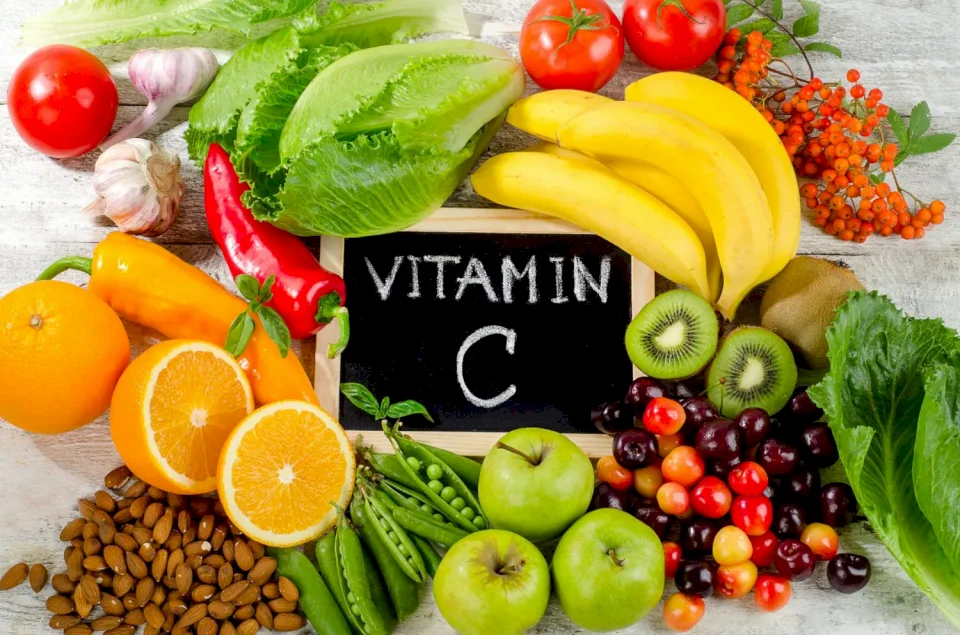
The best way to obtain Vitamin "C" is from natural sources, such as oranges, lemons, strawberries, berries, bell peppers, broccoli, and vitamin-rich vegetables.
As for taking supplements, it is advisable to consult a doctor, especially for those with heart disease, diabetes, or high blood pressure.
In the end, Vitamin "C" may be an important ally for heart health, but it is not the only solution. A healthy heart requires a combination of daily habits, starting with balanced nutrition, physical activity, maintaining a healthy weight, and adhering to medical guidelines.
Heart health is not built on a single element, but on small choices that accumulate to make a significant difference over time.
 Follow the latest Sada News via Google News
Messi Refused to Play for Spain and Missed 3 World Cups

Publishers Sue Google for Allegedly Using Books to Train Artificial Intelligence

Google Expands Capabilities of Google Search Console to Support Social Media Accounts

The Mediterranean Table... An Ancient Diet Revealing Its New Secrets for Health and Longev...

"Smell but Don’t Taste"... Study Reveals Amazing Impact of Chocolate Scent on Athletic Per...

A New Study Reveals an Unexpected Benefit of Cranberry Juice

Does Vitamin C Protect Your Heart?... Health Benefits You May Not Know About
