

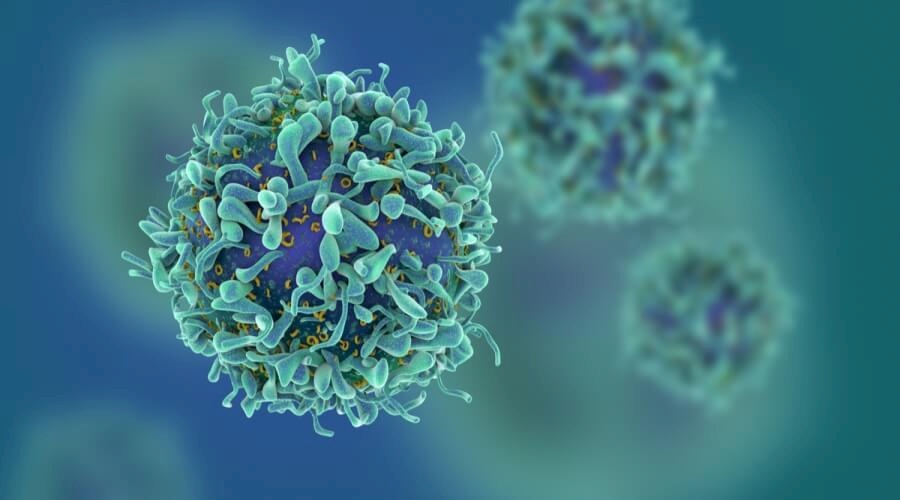
One Blood Test Detects Dozens of Cancers Early
SadaNews - Early cancer detection technologies are undergoing a radical transformation with the emergence of multi-cancer early detection (MCED) blood tests, which rely on the analysis of cell-free DNA in the blood and artificial intelligence to identify tumors before symptoms appear, a step that could change the future of public health globally.
Grail Bio announced new clinical results for the Galleri test in 2026, showing the test's ability to detect more than 50 types of cancer through liquid biopsy, with improved accuracy in tumor localization compared to previous versions.
The test analyzes fragments of DNA released from cancer cells into the bloodstream, using advanced machine learning algorithms, allowing for the detection of cancer in its early stages, where treatment and survival chances are much higher.
Diagnostic Revolution
In a scientific review published in The Lancet Oncology, researchers described multi-cancer early detection tests as a "potential breakthrough in public health," but they still face challenges related to clinical accuracy, cost, and their impact on traditional screening programs.
The report noted that integrating these tests into national screening programs could help detect cancers that are not currently subject to routine screening, such as pancreatic, ovarian, and liver cancer, but it requires extensive evaluations of cost and long-term outcomes.
The National Health Service in England (NHS England) has announced updates regarding the implementation of the multi-cancer blood test as part of a national trial targeting hundreds of thousands of participants.
Britain aims to assess the ability of these tests for early detection and to reduce cancer-related mortality, while studying their impact on healthcare systems and early treatment decisions.
Research published on ScienceDirect indicates that advancements in cell-free DNA (cfDNA) analysis and artificial intelligence have revolutionized disease diagnosis, especially cancer, with algorithms capable of detecting subtle patterns that humans cannot observe and improving predictions of tumor locations and patient responses to treatment.
Researchers believe that the integration of artificial intelligence with molecular medicine will shift diagnosis from late detection to early prevention, significantly reducing treatment costs and mortality rates.
Opportunities and Challenges
Despite the optimism, public health experts warn of challenges related to false positives, psychological distress among patients, the costs of wide-scale testing, and the need for clear protocols to address uncertain results.
They also emphasize that these tests cannot currently replace traditional screenings such as mammograms or colonoscopies but represent a complement to them in the near future.
Towards Proactive Medicine
Experts believe that multi-cancer early detection tests represent a shift from "treating disease" to "predicting it before it appears," a transformation that could reshape healthcare systems over the next decade, especially with decreasing costs of genetic sequencing and advancements in artificial intelligence.
Source: Various Websites
 Follow the latest Sada News via Google News
After Deschamps' Departure... Zinedine Zidane Tops the Candidates to Lead France

Mbappe Surpasses Messi and Becomes the All-Time Top Scorer in the World Cup

England Defeats France and Achieves Largest World Cup Achievement Since 1966

Messi Refused to Play for Spain and Missed 3 World Cups

Publishers Sue Google for Allegedly Using Books to Train Artificial Intelligence

Google Expands Capabilities of Google Search Console to Support Social Media Accounts

The Mediterranean Table... An Ancient Diet Revealing Its New Secrets for Health and Longev...
