

Variety
What You Eat May Affect Your Mood: Foods That Increase Anxiety and Depression
SadaNews - The diet plays an important role in mental health, as some foods and drinks can negatively affect mood, anxiety levels, and energy. While balanced dietary choices support mental stability, certain foods may exacerbate symptoms of anxiety and depression. Here is a list of foods and drinks that you should limit or avoid if you are experiencing these conditions, according to WebMD.
Fruit Juice
The fiber found in whole fruit helps to feel full and slows down the absorption of sugar in the blood. Fruit juice, however, lacks this fiber and is essentially just sugar-water. This can give you a quick boost of energy, followed by a rapid feeling of sluggishness, and this fluctuation can lead to hunger and irritability, or what is known as "nervous hunger," which does not help relieve anxiety or depression. It is better to eat whole fruit, and when thirsty, it is advisable to drink water.
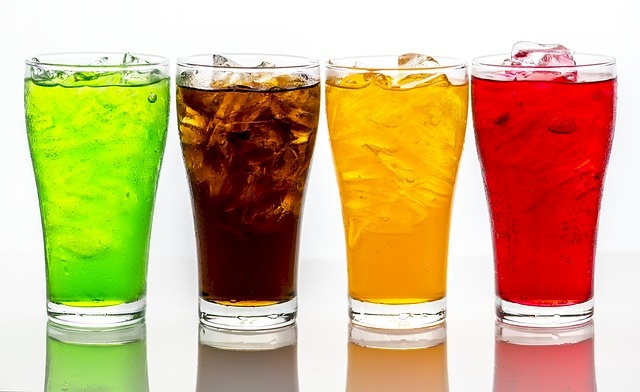
Regular Soft Drinks
These soft drinks offer little to no nutritional benefit; they are high in sugar, just like fruit juice, but without any beneficial elements. Sugary drinks, such as sodas, have been directly linked to an increased risk of depression.
If you crave a soda, you can try sparkling water with a little juice to feel refreshed without significant harm.
Diet Soft Drinks
While their lack of sugar may make them seem like a safe choice, it is not that simple. These drinks may not cause the sudden drop in energy associated with sugar, but they may contribute to an increased feeling of depression, and they might make you feel sadder than their sugar-sweetened counterparts. Additionally, excessive caffeine consumption found in many of them can worsen anxiety.
Toast
It may come as a surprise, but toast made from white bread is considered an unsuitable option. Processed white flour quickly turns into sugar in the blood, leading to a sudden spike in energy followed by a sharp drop, which can exacerbate anxiety and depression. You can enjoy toast as long as you choose whole grain options.
Light Sauces
It is well known that some ready-made sauces and dressings contain large amounts of sugar, often labeled as "high fructose corn syrup." However, even sauces labeled as "light" or "sugar-free" may not be a better option, as many of them rely on artificial sweeteners like aspartame, which is linked to anxiety and depression. It is advisable to read ingredient lists carefully, or better yet, make sauces at home.
Ketchup
Ketchup may seem like a tomato-based product, but it actually contains large amounts of sugar, up to 4 grams per tablespoon. In addition, "light" varieties may contain artificial sweeteners that are associated with anxiety and depression. You can prepare homemade tomato sauce for a healthier alternative, adding a bit of chili for those who prefer a spicy flavor.
Coffee
If you are not used to drinking coffee, the caffeine in it may cause you stress and irritability, negatively affecting your sleep, both of which do not help relieve anxiety or depression. Withdrawal symptoms from caffeine may also make you feel unwell. If you notice it causes you problems, try to gradually reduce your consumption; if you are used to it, or prefer decaffeinated coffee, it may help improve your mood in some cases.
Energy Drinks
These drinks can cause heart palpitations, increased anxiety, and sleep issues due to the difficulty in determining the high amounts of caffeine from ingredients like guarana. They often also contain large amounts of sugar or artificial sweeteners. When thirsty, it is better to drink water, and if you need a quick energy boost, a piece of fruit is the better choice.
Alcohol
Even small amounts of alcohol may negatively affect sleep quality, and lack of sleep may increase anxiety and contribute to depression. Additionally, oversleeping may exacerbate the problem.
Soy Sauce
Soy sauce, along with bread, pasta, and pastries, contains gluten. If you have a gluten sensitivity, consuming it may lead to feelings of anxiety or depression, along with sluggishness and lack of energy. Therefore, it is important to read nutritional labels carefully and try to avoid it if you have this sensitivity.
Processed Foods
Overeating processed meats, fried foods, refined grains, sweets, pastries, and full-fat dairy products is associated with an increased risk of anxiety and depression. In contrast, a diet rich in whole grains, fiber, fruits, vegetables, and fish can contribute to improved mental health and support mood stability.
Fruit Juice
The fiber found in whole fruit helps to feel full and slows down the absorption of sugar in the blood. Fruit juice, however, lacks this fiber and is essentially just sugar-water. This can give you a quick boost of energy, followed by a rapid feeling of sluggishness, and this fluctuation can lead to hunger and irritability, or what is known as "nervous hunger," which does not help relieve anxiety or depression. It is better to eat whole fruit, and when thirsty, it is advisable to drink water.
Regular Soft Drinks
These soft drinks offer little to no nutritional benefit; they are high in sugar, just like fruit juice, but without any beneficial elements. Sugary drinks, such as sodas, have been directly linked to an increased risk of depression.
If you crave a soda, you can try sparkling water with a little juice to feel refreshed without significant harm.
Diet Soft Drinks
While their lack of sugar may make them seem like a safe choice, it is not that simple. These drinks may not cause the sudden drop in energy associated with sugar, but they may contribute to an increased feeling of depression, and they might make you feel sadder than their sugar-sweetened counterparts. Additionally, excessive caffeine consumption found in many of them can worsen anxiety.
Toast
It may come as a surprise, but toast made from white bread is considered an unsuitable option. Processed white flour quickly turns into sugar in the blood, leading to a sudden spike in energy followed by a sharp drop, which can exacerbate anxiety and depression. You can enjoy toast as long as you choose whole grain options.
Light Sauces
It is well known that some ready-made sauces and dressings contain large amounts of sugar, often labeled as "high fructose corn syrup." However, even sauces labeled as "light" or "sugar-free" may not be a better option, as many of them rely on artificial sweeteners like aspartame, which is linked to anxiety and depression. It is advisable to read ingredient lists carefully, or better yet, make sauces at home.
Ketchup
Ketchup may seem like a tomato-based product, but it actually contains large amounts of sugar, up to 4 grams per tablespoon. In addition, "light" varieties may contain artificial sweeteners that are associated with anxiety and depression. You can prepare homemade tomato sauce for a healthier alternative, adding a bit of chili for those who prefer a spicy flavor.
Coffee
If you are not used to drinking coffee, the caffeine in it may cause you stress and irritability, negatively affecting your sleep, both of which do not help relieve anxiety or depression. Withdrawal symptoms from caffeine may also make you feel unwell. If you notice it causes you problems, try to gradually reduce your consumption; if you are used to it, or prefer decaffeinated coffee, it may help improve your mood in some cases.
Energy Drinks
These drinks can cause heart palpitations, increased anxiety, and sleep issues due to the difficulty in determining the high amounts of caffeine from ingredients like guarana. They often also contain large amounts of sugar or artificial sweeteners. When thirsty, it is better to drink water, and if you need a quick energy boost, a piece of fruit is the better choice.
Alcohol
Even small amounts of alcohol may negatively affect sleep quality, and lack of sleep may increase anxiety and contribute to depression. Additionally, oversleeping may exacerbate the problem.
Soy Sauce
Soy sauce, along with bread, pasta, and pastries, contains gluten. If you have a gluten sensitivity, consuming it may lead to feelings of anxiety or depression, along with sluggishness and lack of energy. Therefore, it is important to read nutritional labels carefully and try to avoid it if you have this sensitivity.
Processed Foods
Overeating processed meats, fried foods, refined grains, sweets, pastries, and full-fat dairy products is associated with an increased risk of anxiety and depression. In contrast, a diet rich in whole grains, fiber, fruits, vegetables, and fish can contribute to improved mental health and support mood stability.
 Follow the latest Sada News via Google News
Read Also

After Deschamps' Departure... Zinedine Zidane Tops the Candidates to Lead France

Mbappe Surpasses Messi and Becomes the All-Time Top Scorer in the World Cup

England Defeats France and Achieves Largest World Cup Achievement Since 1966

Messi Refused to Play for Spain and Missed 3 World Cups

Publishers Sue Google for Allegedly Using Books to Train Artificial Intelligence

Google Expands Capabilities of Google Search Console to Support Social Media Accounts

The Mediterranean Table... An Ancient Diet Revealing Its New Secrets for Health and Longev...
