

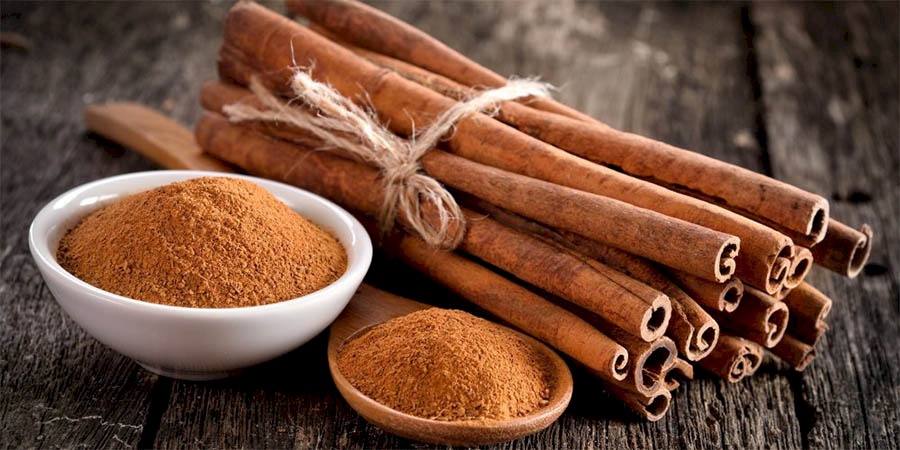
Cinnamon and Nutmeg: Which is Better for Blood Sugar Control?
SadaNews - Dietary changes play a pivotal role in controlling blood sugar levels, especially for those with prediabetes or type 2 diabetes. While spices are traditionally known for enhancing food flavor, recent research indicates that some may offer health benefits that extend beyond taste, with cinnamon and nutmeg at the forefront. But which one is more effective in regulating blood sugar?
According to a medical report published by Verywell Health, cinnamon is currently the better choice for managing blood sugar levels compared to nutmeg, which still has limited scientific evidence in humans.
Several studies have shown that regular consumption of cinnamon may help lower blood sugar levels in individuals with type 2 diabetes, as well as in those at risk of developing it. A scientific review indicates that daily cinnamon consumption is associated with a significant reduction in fasting blood sugar levels, alongside improved long-term blood sugar control, measured by hemoglobin A1c (HbA1c).
Cinnamon works through multiple mechanisms; it is believed to mimic insulin's action in the body, assisting cells in absorbing glucose more efficiently, thereby reducing its concentration in the bloodstream. Additionally, cinnamon contributes to improved insulin sensitivity, which is a crucial factor for those with insulin resistance.
Moreover, cinnamon may help reduce sharp increases in blood sugar after meals, known as postprandial blood sugar, by slowing gastric emptying or affecting carbohydrate absorption.
Cinnamon's benefits are not limited to blood sugar regulation; it is rich in antioxidants that reduce inflammation and protect cells from damage. Studies also suggest that cinnamon consumption may help lower blood pressure, decreasing the risk of heart complications associated with diabetes.
On the other hand, nutmeg possesses antioxidant and anti-inflammatory properties, and some animal studies have shown its ability to improve insulin sensitivity and lower blood sugar levels. However, these results have not yet been confirmed through large-scale clinical trials in humans.
Experts assert that the available evidence is insufficient to recommend nutmeg as a safe and effective means to control blood sugar in humans, compared to cinnamon, which enjoys stronger scientific support.
Studies indicate that the doses of cinnamon used in research range from 1 to 6 grams per day. However, excessive consumption of the common type of cinnamon known as "Cassia cinnamon" may expose individuals to coumarin, which can cause liver damage when consumed in large amounts over the long term. Therefore, it is advised not to exceed one gram per day without medical consultation.
In conclusion, while both cinnamon and nutmeg may have potential health benefits, cinnamon remains the safer and more effective option for supporting blood sugar control, provided it is part of a healthy diet and under medical supervision, rather than a substitute for pharmacological treatment.
 Follow the latest Sada News via Google News
After Deschamps' Departure... Zinedine Zidane Tops the Candidates to Lead France

Mbappe Surpasses Messi and Becomes the All-Time Top Scorer in the World Cup

England Defeats France and Achieves Largest World Cup Achievement Since 1966

Messi Refused to Play for Spain and Missed 3 World Cups

Publishers Sue Google for Allegedly Using Books to Train Artificial Intelligence

Google Expands Capabilities of Google Search Console to Support Social Media Accounts

The Mediterranean Table... An Ancient Diet Revealing Its New Secrets for Health and Longev...
