

"Bloomberg": Saudi Arabia Reduces Its Main Crude Oil Price for Asia for the Third Month
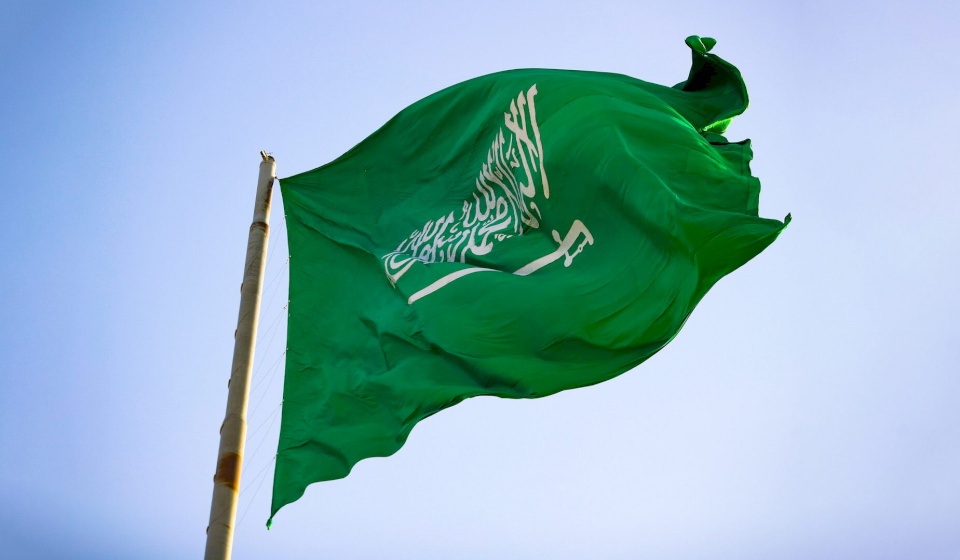
SadaNews - Saudi Arabia has reduced the price of its main crude oil directed to Asia for the third month, amid ongoing indications of an expected surplus in supply.
Saudi Arabia's state-owned company "Aramco" has cut the price of "Arab Light" crude for its customers in Asia to a premium of 30 cents per barrel above the February regional index, according to a price list reviewed by "Bloomberg".
This reduction comes at a time when the "Organization of the Petroleum Exporting Countries" (OPEC) and some of its allies confirmed plans to freeze supply increases during the first quarter. Delegates at their video conference meeting last weekend, which lasted 10 minutes, stated that they did not discuss the issue of Venezuela, and it is too early to assess how the U.S. arrest of the South American country's president, Nicolas Maduro, would affect supplies.
Crude oil prices have dropped by about one-fifth over the past year, marking the worst annual decline for "Brent" crude since 2020, amid growing fears of a global oversupply following a previous round of supply increases from the "OPEC+" alliance and external producers. The "International Energy Agency" has predicted a surplus of about 3.8 million barrels per day during this year.
Geopolitical Risks Cast a Shadow Over Markets
Middle Eastern crude markets have also weakened, as futures curves for grades including the benchmark Dubai crude and "Murban" futures contracts in Abu Dhabi have gradually abandoned their upward trends over the past few weeks.
In addition to Venezuela, geopolitical risks in other areas continue to cast a shadow over the production outlook for several "OPEC+" members, including the gunfire exchanges between Ukraine and Russia, in addition to the sanctions imposed by the United States on Russia and Iran.
Also, the prevailing pessimism about China, the largest crude oil importer and one of the main clients for several "OPEC+" countries, casts a shadow over market sentiment.
 Follow the latest Sada News via Google News
London Stock Exchange Enters the Era of 24/7 Trading

Shamaran Petroleum: Suspension of Oil Production in Duhok Fields in the Kurdistan Region o...

Dollar Steadies Near One-Week High Amid War Developments

Trump Imposes Tariffs on Canadian Imports... Ottawa Vows to Respond

Oil Prices Drop After Reports of Mediation Efforts Between the U.S. and Iran

Gold Price Rises Supported by Increased Buying Amid Lower Prices

Due to "Hazardous and Counterfeit Products".. Europe Fines "AliExpress" $627 Million
