

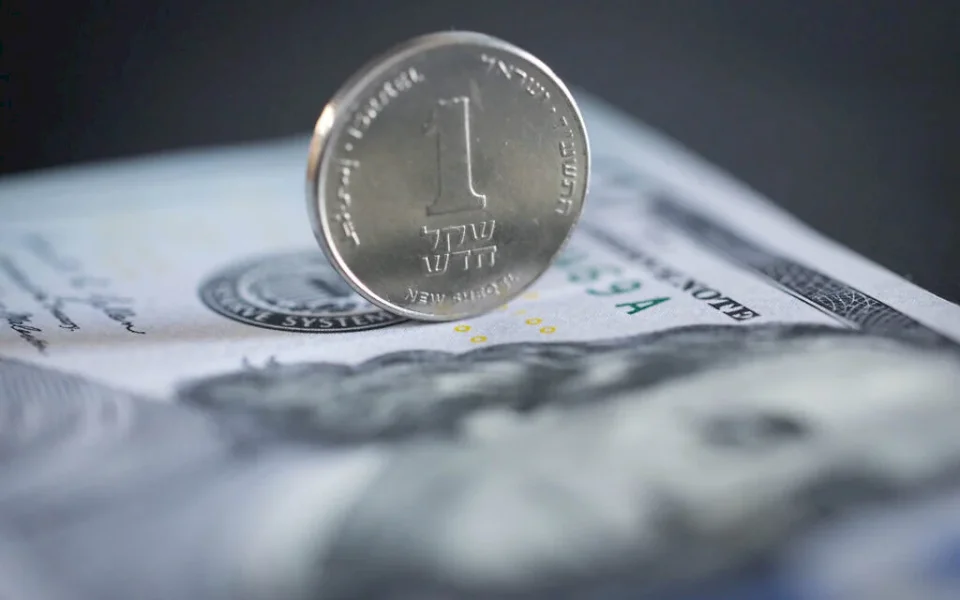
After Breaking the 3.00 Barrier: Why Does the Rise of the Shekel Present a Threat to Israel's Economy?
SadaNews Economy Translation: The Israeli monetary system has recently undergone a radical transformation that goes beyond routine fluctuations. While the US dollar shows global weakness and declines against most major currencies in the world, the Israeli shekel not only keeps pace with this trend but leads it with a strength far exceeding that of other currencies.
The value of major world currencies increased by about 2% on average against the dollar during this month alone. The shekel surged at double that rate, and for the first time in 31 years, its exchange rate fell below three shekels to the dollar. Over the past year, the dollar has declined by an astonishing 18.83% against the shekel, from 3.691 to 2.996.
In an analytical report published by the Times of Israel and translated by SadaNews, various reasons were cited for this rise: a combination of a sharp decline in Israel's risk premium amid regional developments, including a ceasefire with Iran and Lebanon; significant capital inflows resulting from technological and security successes; still elevated interest rate differentials; and gains in the New York Stock Exchange, which also affect the local currency.
All these factors have made the shekel particularly strong. However, what may be seen as a badge of honor for the Israeli economy is quickly turning into a heavy burden on its growth engines.
The excessive rise in the value of the shekel represents a ticking time bomb for exporters and advanced technology companies, as these companies sell their services and products in dollars but pay salaries and operating expenses in shekels. When the dollar weakens, exporters receive fewer shekels for the same product, yet they are still required to cover the same expenses in shekels.
The rise in the value of the shekel reduces profit margins. When the shekel rises by 5% within two weeks, this means a sharp drop in revenues in shekels. Sometimes, the minuscule percentage difference can mean the difference between a profitable business and a loss-making one. This poses a strategic threat to the economy's competitiveness.
The Times of Israel questions in its report: "This reality raises an obvious question: Why are none of the Israeli government institutions intervening to limit the strength of the shekel?".
The Bank of Israel is not purchasing dollars at this stage because the rise in the value of the shekel is part of a global trend that is difficult to influence. This does not rule out intervention in the future, but the bank refrains from doing so at present.
Therefore, manufacturers are looking to the Israeli government, which may not be able to stop the rise, but it could slow it down.
What tools are available to it as presented by the newspaper in its report and translated by SadaNews?
The first solution, globally accepted, is a sovereign wealth fund. The idea is simple: withdraw dollars from the economy. Instead of pumping foreign currency into the domestic market and flooding it, the state invests a significant portion of it abroad, thereby reducing pressure on the shekel to rise.
Israel already has a similar fund dedicated to managing natural gas revenues. However, it focuses on a specific purpose and was not designed to deal with the current broad changes, thus making it questionable whether it would provide a practical solution.
The second solution is rapid expansion in infrastructure investments. While this may seem a step away from the foreign exchange market, the connection exists: increasing investment in transportation, energy, digital transformation, and public construction raises demand in the economy, including demand for imports of equipment and services, and thus for foreign currencies. As a result, some of the pressure causing the shekel's value to rise is alleviated.
However, this process is slow, requires planning and approvals, and is also costly. Most importantly, it does not provide an immediate response to the dollar's exchange rate in the short term and may increase the deficit and debt if not implemented with financial discipline.
The third solution is the most intriguing and feasible: financial institutions - pension funds, savings funds, training funds - invest vast amounts of public money abroad, especially in dollar-denominated US stocks. When stock markets in the United States rise, the value of dollar investments increases, which sometimes results in excessive exposure to foreign currencies compared to the policy followed.
To balance the risks, institutions sell dollars and buy shekels. In a relatively small market like the Israeli market, billion-dollar sales create significant pressure on the exchange rate. For years, there has been a close relationship between the S&P 500 index and the strength of the shekel: when the index rises, the shekel rises, and when it falls, institutions are forced to buy dollars, weakening the shekel.
Manufacturers have proposed an innovative solution: implementing hedging operations for institutions through over-the-counter transactions with the Bank of Israel. Thus, instead of institutions selling dollars in the open market every time Wall Street prices rise, the central bank would acquire dollars directly from them. This move could alleviate pressure on the shekel, yet at this stage, the Bank of Israel does not appear enthusiastic about the idea.
In the absence of such steps, exporters are looking to the Israeli government to provide them with oxygen in the form of regulatory relief, financial assistance, and encouragement of local purchases.
The Times of Israel emphasizes that the Israeli government's silence regarding these proposals amounts to a abandonment of exporters and the advanced technology sector in the face of fluctuations in the shekel's exchange rate. It is important to remember that the struggle over the shekel is not limited to trading halls; it is also a test of the government's ability to maintain the core competitiveness of the entire Israeli economy.
 Follow the latest Sada News via Google News
Soaring Oil Prices Burn the Pockets of the Palestinian Citizen "The Poor"

Millions of Dollars in Losses.. "SadaNews" Reveals Shocking Figures for Traders from Pales...

The Problem of Shekel Overcrowding Worsens.. Fuel Station Owners Threatened with Closure o...

The Palestinian Economy at a Crossroads: 4 Files Awaiting Resolution

Currency Exchange Rates Against the Shekel (July 3)

Israeli Discussions Explore Ways to Tackle Rising Crime Against Banks and Their Employees

Bringing in New Foreign Workers to Israel Instead of Palestinians
