

They Love Us More Than We Love Ourselves
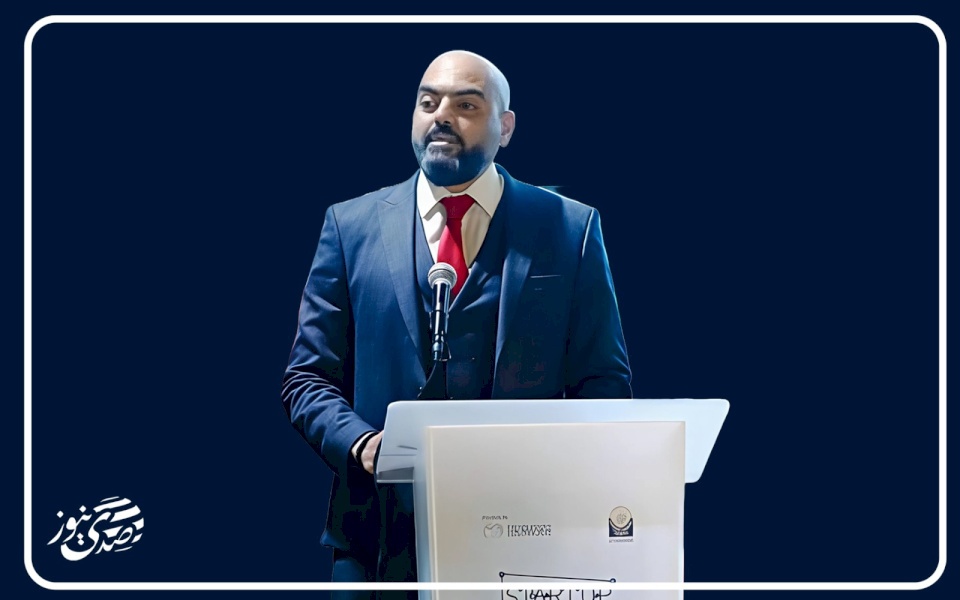
Recently, I participated in an international conference that gathered representatives from various countries, with the aim of discussing issues of skills, employment, and partnerships for development. However, what remained in my memory was not the words of the speakers or the final recommendations, but the side conversations that took place in the hallways, at the lunch tables, and during the breaks.
There, away from the cameras, I found Palestine.
Palestine was not an official item on the agenda, but it was present in the hearts of the participants. Whenever someone learned that I was Palestinian, the tone of the conversation changed. They would ask about the people before asking about politics, about the children before asking about the numbers, about the future before asking about the past. I did not find anyone looking for a debate; instead, I found those seeking a way to be part of the hope.
In those moments, an idea struck me that has not left me until today: perhaps they love us more than we love ourselves.
This phrase may seem shocking, but it is not an accusation; rather, it is a sincere invitation to reflect. While many people around the world hold a noble image of the Palestinian; the resilient, creative, educated, and life-loving human, we sometimes find ourselves drowning in our differences, consuming our energies in criticizing each other more than investing them in building our future.
I discovered that Palestine has a tremendous amount of respect, trust, and empathy around the world. This stock was not created by the media, but by the Palestinian human who has remained steadfast in his dignity, and in his right to live, despite all circumstances.
But the truth we must acknowledge is that empathy is not enough. The love that the world carries for Palestine, if it does not find someone who knows how to invest it, will remain just beautiful feelings that do not change reality.
That is why I believe the time has come to put together a national plan to deal with this global love.
First, we need to change the way we present Palestine to the world. It is not enough to talk about pain; the world knows the extent of our suffering. What the world also needs is to see the success stories that arise from the heart of suffering; the young person who established a project despite the siege, the woman who created a job opportunity for her family, the student who competed in global universities, and the worker who insists on producing despite all difficulties. These stories build a stronger image than any political speech.
Second, we must stop considering international conferences as mere occasions for attendance and photography. Every person we greet can become a partner, every business card can turn into a project, and every side discussion can open doors to a training opportunity, investment, or academic collaboration. International relations are not built only in halls but are built through follow-up, continuity, and trust.
Third, we need a Palestinian platform that gathers friends of Palestine around the world. Thousands of people and institutions want to help, but they do not know where to turn.
Fourth, we must invest in the Palestinian person as the best ambassador for his cause. When the world meets an outstanding Palestinian student, or a distinguished engineer, or a successful doctor, or a young woman leading an entrepreneurial project, they do not see just an individual; they see all of Palestine. Therefore, investing in education, skills, and youth is an investment in Palestine's international status.
Fifth, we must learn how to tell our story in a language that the world understands. The language of humanity, not the language of division. The language of hope, not the language of despair. People do not respond to slogans as much as they respond to the person who resembles them and dreams like them and loves life like they do.
And finally, we must love ourselves as much as others love us.
To trust in our abilities, to respect our differences, and to understand that the greatest gift we can offer everyone who stands with us in the world is to present a model of a people who believe in themselves, work together, and place national interest above all considerations.
I left the conference convinced that Palestine does not suffer from a lack of friends, but perhaps suffers from a lack of investment in those friendships. We have thousands of hearts in the world that pulse with love for Palestine, but they are waiting for us to take the initiative, waiting for a clear project, a unified message, and a true partnership.
Therefore, the question is no longer: Does the world love Palestine? For I have heard the answer in dozens of conversations and seen it in the eyes before the words.
The question that should occupy us today is: Will we continue to receive this love with gratitude only, or will we turn it into a power that creates opportunities for our children, builds our economy, supports our institutions, and enhances Palestine's presence in the world?
Because peoples do not progress solely by what they possess of resources, but also by what they possess of friends. And Palestine, despite all that it has been through, still has a priceless treasure: the love of the world. The real challenge remains for us to be worthy of this love and to transform it into tangible achievements, so that the description I heard continues to echo in my mind: They love us more than we love ourselves.
 Follow the latest Sada News via Google News
They Love Us More Than We Love Ourselves

Elections After Genocide: Rebuilding the Social Contract or Reproducing Exclusionary Domin...

On the Accusations of Treason in the Palestinian Arena

Palestine Between Global Transformation and the Decline of the Arab Role

Union for Change

The "Expected" Legislative Elections: Will They Be a Lifeline for the Crumbling Palestinia...

Between Rumor and Truth... Who Gains the Public's Trust?
