

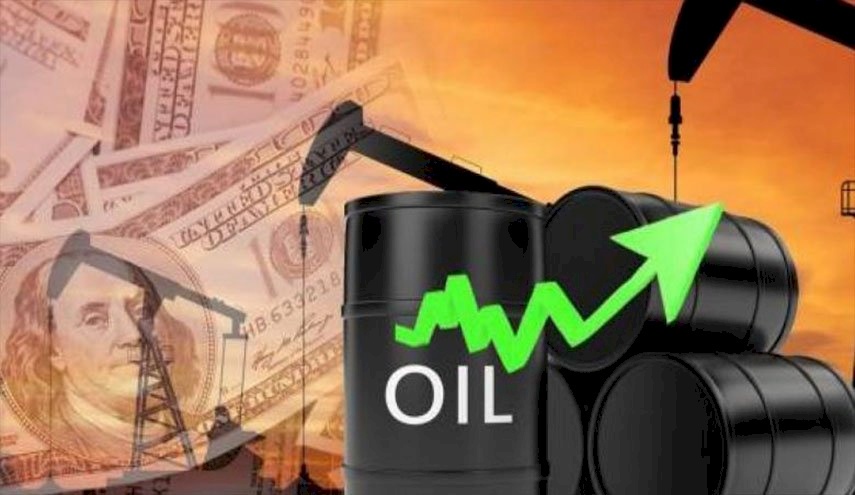
Oil prices rise to $123 due to tensions with Iran
SadaNews Economy - Oil prices continued to rise today, Thursday, driven by increasing fears of prolonged disruptions in supplies from the Middle East, as diplomatic efforts to end the US-Israeli war against Iran have reached a deadlock, raising market concerns and supporting the upward trend in prices.
Brent crude oil futures for June delivery rose by $5.27 or 4.5% to $123.30 per barrel by 0347 GMT, after recording gains of 6.1% in the previous session.
The June contract, which has risen for the ninth consecutive day, ends today, Thursday. The price of the most traded July contract reached $113.10, up $2.66 or 2.4% after recording gains of 5.8% in the previous session.
US West Texas Intermediate crude futures for June rose by $2.42 or 2.3% to $109.30 per barrel, after hitting a seven percent increase in the previous session.
A White House official stated on Wednesday that President Donald Trump spoke with oil companies regarding how to mitigate the impact of the US blockade on Iranian ports if it continues for months, raising market concerns about prolonged disruptions in oil supplies.
Market analyst Tony Sycamore at IG commented in a note, "The chances of reaching a near-term solution to the Iran conflict or reopening the Strait of Hormuz remain slim."
The meeting with oil companies came after efforts to resolve the conflict, which has claimed thousands of lives and caused what analysts describe as the largest disruption to global energy supplies ever, reached a dead end.
On the supply front, sources told Reuters that the OPEC+ alliance, which consists of OPEC member states and outside allies, is likely to agree on a slight increase in oil production quotas of about 188,000 barrels per day on Sunday.
The meeting comes immediately after the UAE's withdrawal from OPEC, which is expected to deal a blow to the group's ability to control prices. While the UAE's exit will allow it to increase production after resuming exports, analysts say it is unlikely to affect market fundamentals this year, especially with the closure of the Strait of Hormuz and other production disruptions caused by the war.
 Follow the latest Sada News via Google News
U.S. House of Representatives Approves Budget Plan to Fund War on Iran

Gold Retains Gains Despite Rising Concerns Over U.S. Interest Rate Hikes

Oil Prices Surge Amid Growing Supply Disruption Risk from the Region

The World Bank Warns: "The Worst-Case Scenario" for Global Growth is Approaching

Trump Prepares to Impose New Tariffs on Dozens of Economies

Gold Surpasses $4,100 as Selling Pressure Eases

Oil Rises for the Fourth Day as Supply Risks Escalate
