

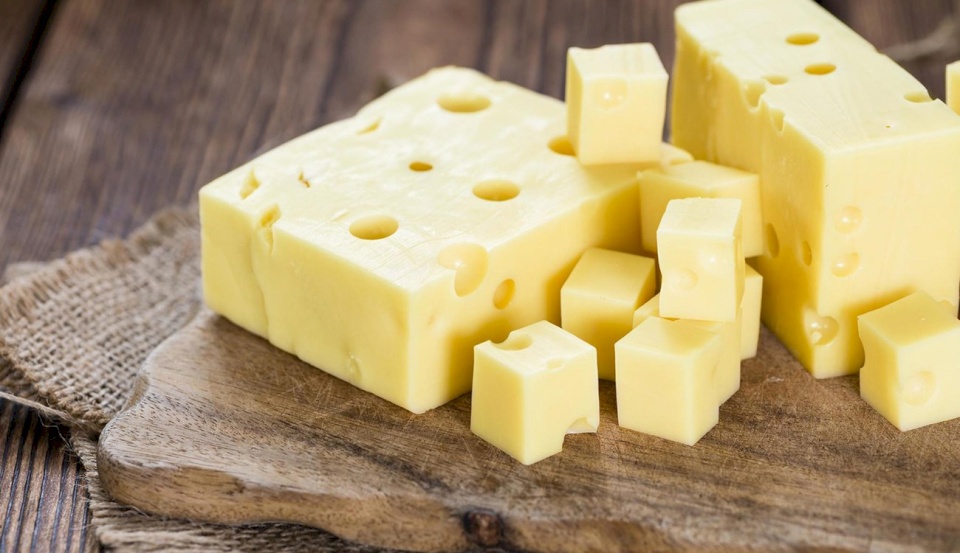
Does Eating Full-Fat Cheese Reduce the Risk of Dementia?
SadaNews - A recent study has found that individuals who regularly consume high-fat cheese are significantly less likely to develop dementia. The study, published in the medical journal "Neurology", also showed that high-fat cream is associated with better brain health.
However, a report from "Health" magazine pointed out an important point to consider before rushing to buy cheese and cream, as the study does not prove that these products alone prevent dementia.
In this context, Dalia Perelman, a nutritionist at Stanford University, stated that "the quality of the foods paired with cheese and what it replaces in the diet may be as important as the cheese itself".
Monitoring Dietary Patterns
With the expectation of a significant rise in dementia cases from 57 million in 2019 to 153 million by 2050, effective treatments remain limited. Researchers have focused on diet as a contributing factor in dementia risk to determine strategies to reduce this growing burden.
Although previous studies have shown that dairy products may offer a protective effect against dementia, the impact of individual dairy products on brain health remains unclear.
The research team relied on data from 27,670 adults in Sweden who had their dietary habits recorded between 1991 and 1996, and were followed for nearly 25 years, during which 3,208 participants developed dementia.
The Relationship Between Full-Fat Dairy and Brain Health
The results showed that those who consumed at least 50 grams of high-fat cheese daily, equivalent to about two slices of cheddar cheese, had a 13% lower risk of developing dementia compared to those who consumed less than 15 grams daily. Additionally, consuming more high-fat cheese was associated with a 29% reduced risk of vascular dementia.
For high-fat cream, researchers found that consuming 20 grams daily, equivalent to about 1.4 tablespoons, was linked to a 16% reduced risk of dementia compared to non-consumers.
However, researchers emphasized that the study shows a correlation, not a direct cause, meaning cheese may be an indicator of healthy habits or other beneficial dietary patterns, rather than the sole factor in preventing dementia.
How Could Cheese Benefit the Brain?
While the study does not confirm that cheese and high-fat cream reduce the risk of dementia, there are some reasons that may explain their positive effects:
- High-fat dairy products contain nutrients such as vitamin K2, calcium, and certain fatty acids that may support brain health by reducing neuroinflammation and improving vascular health.
- Fats are essential for brain health, as the brain is primarily made up of fats, including omega-3 fatty acids and cholesterol, which are vital for maintaining the structure and function of brain cells.
- Fermented dairy products, including fresh cheese, may help support the gut microbiome, which in turn is associated with improved brain health and cognitive function.
Can Cheese Alone Be Relied Upon for Dementia Prevention?
According to the report, relying on cheese alone for dementia prevention is not recommended. Future studies are still needed to confirm the relationship across diverse populations.
It is also important to note that high-fat cheese contains saturated fats, which can increase the risk of vascular diseases, while risk factors such as obesity, high blood pressure, and diabetes are connected to dementia.
Nevertheless, if you enjoy cheese, it can be consumed in moderation as part of a balanced diet rich in vegetables, fiber, lean proteins, and healthy fats.
Brain health is influenced by overall dietary patterns, physical activity, sleep, managing vascular risk factors, and cognitive engagement, not just a single food.
 Follow the latest Sada News via Google News
The Centenary of Idrees Al-Shraibi: A Biographer Who Explained the Defects of Colonialism...

A Spring for the Weary Heart.. When the Judas Tree Colors Istanbul

Magnetic Fields Around 7 Distant Worlds Open a New Window in the Search for Life

Ancelotti Leads the List: The 10 Highest-Paid Coaches in the 2026 World Cup

A Rare Recitation by Sheikh Mohamed Sidqi Al-Minshawi Returns to the Airwaves After Six De...

"I am your brother".. An Emotional Message from Younis Mahmoud to Iraq's Players Before th...

NVIDIA's RTX Spark Platform Ignites Laptop Prices
