

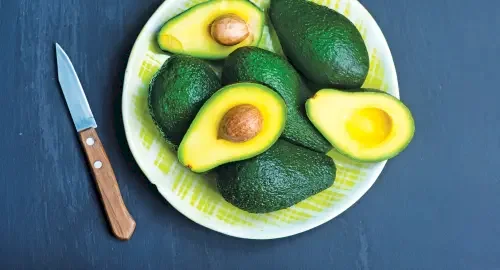
Avocado or Peanut Butter on Toast... Which is Better for Healthy Fats and Protein?
SadaNews - Adding avocado or peanut butter to your daily toast is an effective way to obtain healthy fats that support heart health, with each offering different nutritional benefits.
While peanut butter is distinguished by its high content of protein, magnesium, and vitamin E, avocado contains a greater amount of potassium and fiber.
Comparing these two options can help in making an informed decision when incorporating these foods into a daily diet, taking into account calories, serving size, to ensure maximum health benefits.
A report published by "Verywell Health" outlines the nutritional differences between avocado and peanut butter, to choose the most suitable type according to health goals, whether to enhance heart health, increase protein in the diet, or support weight management, while considering the quality and appropriate serving size for each option.
Nutritional information: Avocado vs. Peanut Butter
Below is a comparison of the nutritional values for each 100 grams of raw avocado (about half a fruit) compared to a single serving of peanut butter (about two tablespoons, or 32 grams):
Calories: Avocado 160 calories, Peanut butter 188 calories.
Protein: Avocado 2 grams, Peanut butter 7 grams.
Total fats: Avocado 14.7 grams, Peanut butter 15.8 grams.
Saturated fats: Avocado 2.13 grams, Peanut butter 3.05 grams.
Carbohydrates: Avocado 8.53 grams, Peanut butter 7.68 grams.
Fiber: Avocado 6.7 grams, Peanut butter 1.82 grams.
Total sugars: Avocado 0.66 grams, Peanut butter 2.08 grams.
Calcium: Avocado 12 mg, Peanut butter 17.3 mg.
Iron: Avocado 0.55 mg, Peanut butter 0.69 mg.
Magnesium: Avocado 29 mg, Peanut butter 57.3 mg.
Potassium: Avocado 485 mg, Peanut butter 189 mg.
Sodium: Avocado 7 mg, Peanut butter 152 mg.
Which is better for healthy fats?
Both avocado and peanut butter are high in fats, most of which are unsaturated:
Avocado:
Half a fruit contains a similar amount of fat to a teaspoon of olive oil.
Most of the fat is monounsaturated (about 67 percent).
The ratio of unsaturated to saturated fat is about 6:1.
Oleic acid is the most common fatty acid in avocado.
Peanut butter:
Contains about 4 times the amount of unsaturated fat compared to saturated fat.
Peanut oils resemble olive oil in terms of fatty acids.
Healthy fats, including monounsaturated and polyunsaturated fats, contribute to:
Supporting heart health
Reducing the risk of heart disease
Lowering levels of harmful cholesterol (LDL)
Increasing the feeling of satiety
Which is better for protein?
Peanut butter:
A good source of plant protein, containing the highest amount of protein among nut butters.
It contains about 5 grams more protein compared to avocado.
Avocado:
Contains protein and is among the highest fruits in protein, yet it is not a rich source of protein.
Advice
Both avocado and peanut butter are calorie-dense, so serving size is important. Try to replace avocado or peanut butter with high-fat or processed foods, such as butter or bacon.
Choose 100% whole grain toast, such as whole wheat or oat bread, which is high in fiber.
 Follow the latest Sada News via Google News
After Deschamps' Departure... Zinedine Zidane Tops the Candidates to Lead France

Mbappe Surpasses Messi and Becomes the All-Time Top Scorer in the World Cup

England Defeats France and Achieves Largest World Cup Achievement Since 1966

Messi Refused to Play for Spain and Missed 3 World Cups

Publishers Sue Google for Allegedly Using Books to Train Artificial Intelligence

Google Expands Capabilities of Google Search Console to Support Social Media Accounts

The Mediterranean Table... An Ancient Diet Revealing Its New Secrets for Health and Longev...
