

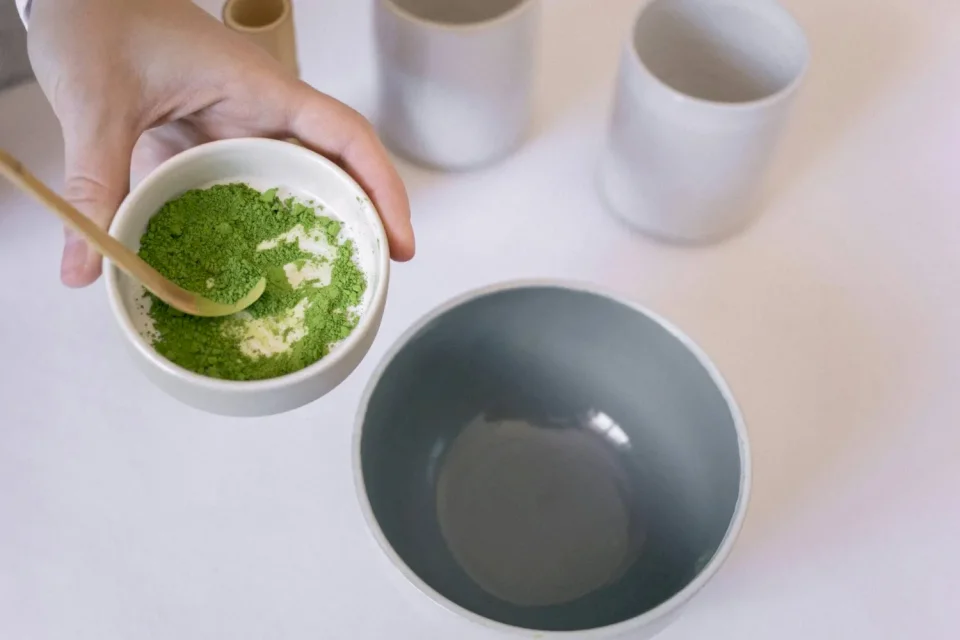
What are the benefits of drinking vegetable powder daily?
SadaNews - Vegetable powder may help reduce bloating by providing dietary fiber and plant compounds, but it may initially cause temporary gas as the intestines adjust. Although it is not considered a direct remedy for bloating, regular use may support digestion over time.
How can vegetable powders reduce bloating?
Vegetable powders (or vegetable powder) are defined as dietary supplements in powder form, made from a blend of leafy greens, herbs, and dried ground fruits, aimed at providing concentrated vitamins, minerals, and antioxidants in an easy-to-prepare manner.
These powders may help reduce bloating in some individuals, depending on their diet, intestinal sensitivity, and product ingredients. Some formulations contain elements that support digestion and regular bowel movements, which can positively impact bloating issues.
Some vegetable powders contain enzymes such as amylase, protease, and lipase. These enzymes help break down carbohydrates, proteins, and fats, which may reduce feelings of heaviness after meals for individuals with mild digestive difficulties. The effects may vary based on dosage and formula, according to the "Verywell Health" website.
Certain products also contain probiotic strains, such as Lactobacillus or Bifidobacterium, which may help improve bowel regularity and reduce gas over time.
Some vegetable powder products include ginger, turmeric, and mint, and these herbs may assist in relaxing intestinal muscles and may alleviate cramps or discomfort associated with bloating.
Why might vegetable powders cause bloating and gas initially?
You may experience gas or mild bloating during the first few days of using vegetable powder. This effect may reflect your intestines adjusting to the new fiber and plant compounds, and it is likely to improve within a week or two.
If your usual diet is low in fiber, adding concentrated vegetable powder can increase fiber intake and fermentation in the colon. Gas is a natural byproduct of this process and often decreases as the intestines adapt.
Some products use sweeteners like sorbitol, xylitol, or erythritol, which are poorly absorbed and may ferment in the intestines, leading to gas or diarrhea in sensitive individuals.
Long-term digestive benefits of using vegetable powders
Vegetable powders tend to work gradually. Benefits are more likely achieved with regular, not intermittent, use alongside a balanced diet. These benefits may include:
Improved bowel regularity
Fiber, when consumed with adequate hydration, helps soften waste and supports regular bowel movements. Reducing constipation may significantly alleviate continuous bloating.
Supporting nutrient intake
Vegetable powders can fill small nutritional gaps for those who consume few vegetables. They typically do not replace whole foods but may support overall health by contributing to vitamin and mineral intake.
Diversity of plants supports the microbiome
Many vegetable powders contain extracts from multiple plants. Greater plant diversity is associated with a more resilient gut microbiota, which may support digestion and immune function over time.
Choosing a gut-friendly vegetable powder
Not all vegetable powders are alike; some support digestion, while others contain ingredients that may worsen bloating, especially for individuals with irritable bowel syndrome or digestive sensitivities.
Tips to reduce stomach upset and bloating
Your method of consuming vegetable powder can affect gas buildup, abdominal pressure, and bloating. Here are some tips to help you:
Start with half the dosage
Using less than one scoop in the first week allows your intestines to adapt to the added fiber and plant compounds.
Take it slowly instead of gulping it down
Drinking too quickly may increase air swallowing, which can cause bloating and discomfort. Consume the drink over 15 to 20 minutes.
Drink more water
Fiber requires fluids to move smoothly through the digestive system. Without enough water, bowel movements can become slow, exacerbating bloating.
Take it with food if necessary
While some labels recommend taking vegetable powders on an empty stomach, consuming them with a snack may reduce gas, nausea, or cramps.
 Follow the latest Sada News via Google News
After Deschamps' Departure... Zinedine Zidane Tops the Candidates to Lead France

Mbappe Surpasses Messi and Becomes the All-Time Top Scorer in the World Cup

England Defeats France and Achieves Largest World Cup Achievement Since 1966

Messi Refused to Play for Spain and Missed 3 World Cups

Publishers Sue Google for Allegedly Using Books to Train Artificial Intelligence

Google Expands Capabilities of Google Search Console to Support Social Media Accounts

The Mediterranean Table... An Ancient Diet Revealing Its New Secrets for Health and Longev...
