

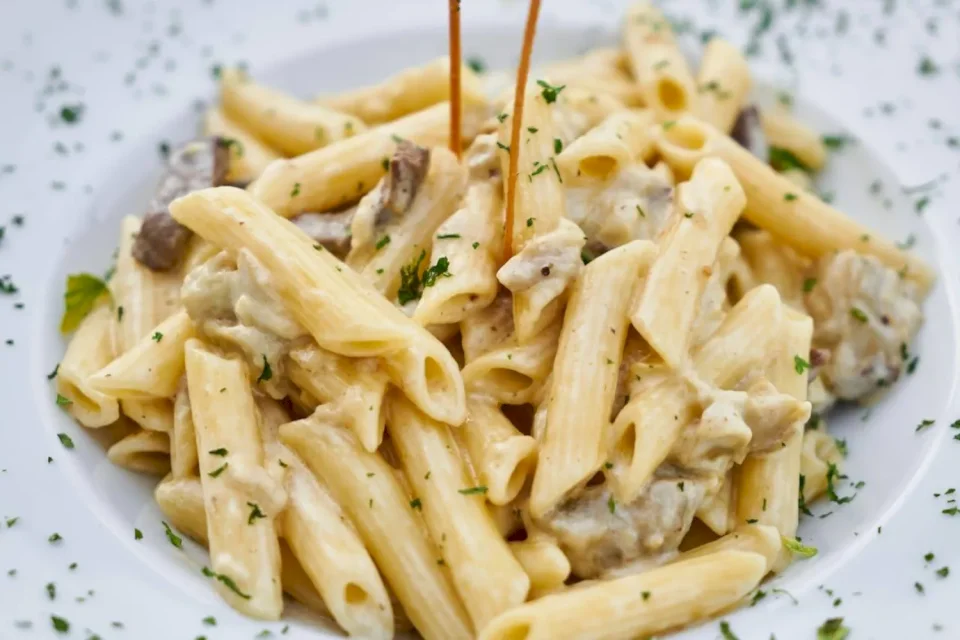
Facts You Don't Know... Does Pasta Raise Blood Sugar Levels?
SadaNews - Most people assume that eating pasta automatically leads to a rise in blood sugar levels, but the reality is more complex. Pasta can raise blood sugar levels, but the degree depends on the serving size, preparation method, and accompanying ingredients.
According to a report from "Verywell Health," understanding how pasta affects the body can help you enjoy it in a balanced manner while keeping blood sugar levels stable.
1- Pasta raises blood sugar, but perhaps more slowly than you think
Although pasta is rich in carbohydrates, its structure gives it a moderate glycemic effect for many people. Traditional wheat pasta contains compact starch grains that are digested more slowly than the starches found in white bread or instant white rice.
A 2019 study showed that pasta tends to cause a lower glycemic response compared to white rice, attributed to its dense network of protein and starch. However, its impact varies from person to person, as the amount of food and the cooking method can influence blood glucose response.
Some influencing factors:
Al dente pasta is digested slowly.
Overcooked pasta breaks down faster, raising glucose levels more quickly.
Large portions increase the carbohydrate load and significantly raise blood sugar.
2- Eating pasta regularly may affect insulin response over time
When pasta is consumed frequently, the body is constantly exposed to carbohydrates, requiring insulin (the hormone responsible for regulating sugar) to transport glucose into cells. For some individuals, especially those with insulin resistance, the repeated demand for insulin can lead to higher glucose levels after meals.
Research indicates that high-carbohydrate meals place a greater burden on the body to secrete insulin, potentially leading to elevated sugar levels after meals, especially in individuals with diabetes or insulin resistance.
However, this does not mean that pasta is off-limits; it suggests that the overall eating pattern is the most important factor.
Tips for incorporating pasta into your diet:
Large portions of pasta increase the body's insulin requirement.
Combining pasta with protein or fiber can decrease sugar spikes and insulin needs.
Choosing whole grain pasta can support long-term glucose control.
3- Blood sugar levels depend on the ingredients accompanying the pasta
Pasta alone is not the whole story. Sauces, oils, meats, cheeses, and side dishes all influence the meal's impact on blood sugar. Meals that include protein, vegetables, and healthy fats contain elements that slow digestion and mitigate blood sugar spikes after eating.
Examples of the meal's composition effects:
Adding a protein source like chicken, legumes, or seafood slows digestion.
Including vegetables increases fiber and reduces glucose spikes.
Creamy sauces or cheese add fats that delay gastric emptying, altering the timing of blood sugar spikes.
4- Cold or reheated pasta may reduce glucose response
The method of preparing pasta affects not only the taste but also the starch structure. When cooked pasta is cooled and then eaten cold or reheated, part of the starch converts to resistant starch, which acts similarly to fiber.
Resistant starch slows digestion, leading to a slower rise in blood sugar. A 2019 study found that cooling and reheating starchy foods increases resistant starch formation and reduces glucose responses after meals.
This means that leftover pasta may behave differently from fresh pasta:
Cooked and cooled pasta produces resistant starch that slows digestion.
Cold noodle pasta salad may lead to a lower glucose spike.
Reheated pasta retains some benefits of resistant starch.
5- Whole grain pasta provides a more stable glucose response
Whole grain pasta contains more fiber and micronutrients than refined pasta; these help slow the release of glucose into the bloodstream. Additionally, increased fiber supports insulin sensitivity and contributes to stable sugar levels.
Choosing carbohydrate sources rich in fiber can improve sugar control and insulin sensitivity. An analytical review in 2021 revealed that increasing dietary fiber significantly reduced HbA1c, blood sugar, and fasting insulin levels in individuals with type 2 diabetes.
While switching to whole grain pasta is not a solution for all sugar issues, it is a beneficial step within the overall eating pattern.
 Follow the latest Sada News via Google News
After Deschamps' Departure... Zinedine Zidane Tops the Candidates to Lead France

Mbappe Surpasses Messi and Becomes the All-Time Top Scorer in the World Cup

England Defeats France and Achieves Largest World Cup Achievement Since 1966

Messi Refused to Play for Spain and Missed 3 World Cups

Publishers Sue Google for Allegedly Using Books to Train Artificial Intelligence

Google Expands Capabilities of Google Search Console to Support Social Media Accounts

The Mediterranean Table... An Ancient Diet Revealing Its New Secrets for Health and Longev...
