

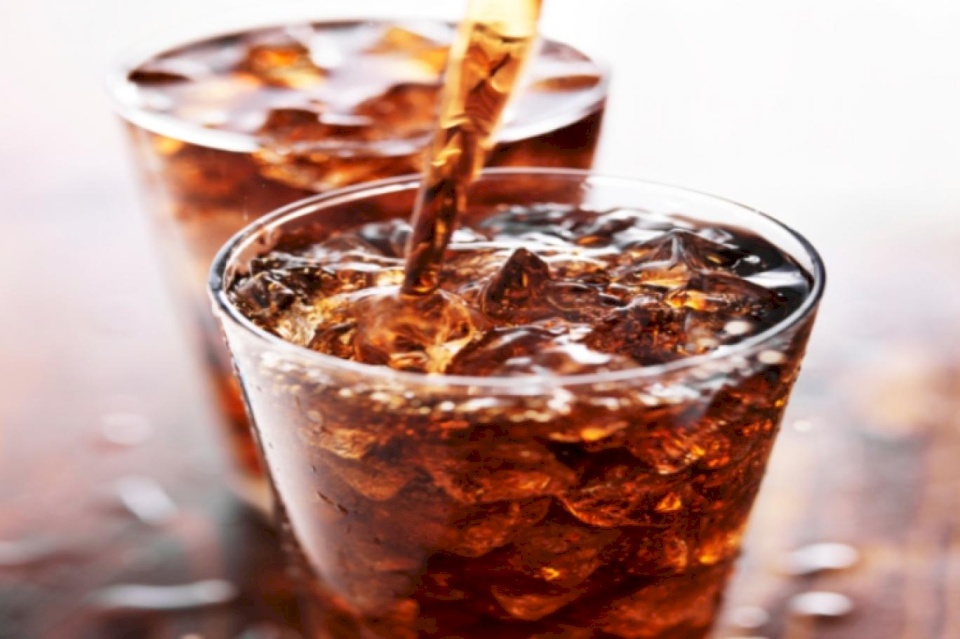
What Happens to the Liver When Drinking "Diet" Soft Drinks?
SadaNews - Diet soft drinks do not cause liver damage in the same way that alcohol, viral hepatitis, or some toxic drugs do, but they may indirectly contribute to metabolic dysfunction-associated steatotic liver disease (MASLD) if consumed in large quantities. This may be due to the artificial sweeteners in these drinks or the eating patterns associated with high soda consumption.
Your gut microbiome may change
Artificial sweeteners such as aspartame, sucralose, and saccharin can disrupt the balance of "good" and "bad" gut bacteria (known as dysbiosis), especially when consumed in large amounts, according to Verywell Health.
With this imbalance, harmful bacteria can damage intestinal tissues, leading to increased permeability. This allows inflammatory substances (like lipopolysaccharides) to leak into the bloodstream. These substances can cause liver inflammation when they reach it via the portal vein.
Chronic liver inflammation is a major risk factor for metabolic dysfunction-associated steatotic liver disease (MASLD) (formerly known as non-alcoholic fatty liver disease or NAFLD). In this case, fat accumulates in the liver, leading to gradual scarring and liver injury.
Your insulin response may change
Artificial "diet" soda sweeteners can sometimes cause a sudden spike in insulin levels (the hormone that regulates blood sugar levels). Over time, excessive consumption may lead to insulin resistance; the body becomes less responsive to insulin, resulting in elevated blood sugar levels.
Insulin resistance is a major risk factor for metabolic dysfunction-associated steatotic liver disease (MASLD), which occurs due to gradual liver damage from high blood sugar, allowing fat to accumulate in affected areas. The risk is higher among individuals with obesity, and is worse in those already diagnosed with type 2 diabetes.
Despite varying study results, some have shown a clear link between insulin resistance and long-term use of artificial sweeteners like sucralose and aspartame. More research is needed.
Your appetite and calorie consumption may increase
Regularly drinking "diet" soda may lead some individuals to consume more calories, whether they are aware of it or not. This can be due to both biological and behavioral reasons, such as:
Disruption of brain reward pathways
The calorie-free sweet taste of artificial sweeteners doesn’t fully activate the brain’s reward system, leaving the brain unsatisfied. This can increase hunger pangs, making you seek more sweetness from sugary foods.
Insulin secretion
The sweet taste of artificial sweeteners can stimulate insulin secretion, but without real sugar to satiate hunger pangs, leaving you craving real sugar for energy.
Gut microbiome imbalance
Even low-level inflammation due to increased intestinal permeability can interfere with the brain's ability to process satiety signals (feeling full) or respond to the effects of ghrelin (the body’s hunger hormone).
These factors can directly lead to metabolic dysfunction-associated steatotic liver disease (MASLD) by causing overeating and obesity, or indirectly contribute by promoting insulin resistance.
 Follow the latest Sada News via Google News
After Deschamps' Departure... Zinedine Zidane Tops the Candidates to Lead France

Mbappe Surpasses Messi and Becomes the All-Time Top Scorer in the World Cup

England Defeats France and Achieves Largest World Cup Achievement Since 1966

Messi Refused to Play for Spain and Missed 3 World Cups

Publishers Sue Google for Allegedly Using Books to Train Artificial Intelligence

Google Expands Capabilities of Google Search Console to Support Social Media Accounts

The Mediterranean Table... An Ancient Diet Revealing Its New Secrets for Health and Longev...
