

Top News
Israeli Health Ministry Asks Hospitals to Prepare for Rapid Transition to Emergency
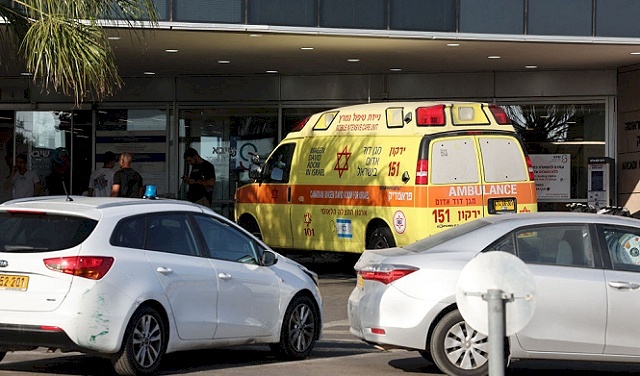
SadaNews - The Israeli Health Ministry has requested that directors of public hospitals, psychiatric hospitals, nursing homes, rehabilitation centers, and managers of health funds, as well as the director general of Magen David Adom, update mechanisms for a rapid transition from routine to emergency status, as part of what it described as "lessons learned" from the war launched by Israel against Iran last June.
This was stated in an official letter sent by the ministry today, Monday, to health system administrations "to enable field crews to implement immediate steps with any change in readiness status," amid escalating tensions and fears of a potential escalation with Iran.
The ministry clarified that these are "specific instructions aimed at accelerating the transition from routine to emergency," while also emphasizing that "there is no change in the assessment of the current situation," and that "the entire health system is in readiness status level (B), with no active preparedness steps required at this stage."
The ministry explained that these instructions are considered "preliminary instructions" that will be activated immediately upon any change in readiness, and additional instructions "appropriate for the emergency situation" will be published later after an assessment is conducted in the national health operations room, stressing that their publication is part of enhancing readiness levels and increasing vigilance across the health system.
According to the letter, when the protection policy classified as "vital activity" (level red - grade 4) is announced nationwide, the health system will operate according to a set of procedures, including transitioning to level four readiness, continuous activation of emergency bodies, moving to a 12-hour shift system, halting clinic activities, ensuring the readiness of reception sites, and adapting infrastructure for alternative uses in emergencies.
The instructions also include preparation for implementing "life-saving" guidelines and readiness to receive victims of mass casualty incidents.
The letter details additional procedures to be implemented according to the developments in the situation, preparing to absorb shocks, where public hospitals have been requested to rapidly reduce the number of patients by up to 50% and to evacuate visitors as much as possible, transitioning as quickly as possible to work from protected and approved spaces, including activating underground healing capabilities. Special priority is given to moving sensitive departments such as incubators, intensive care units, and enhanced units, in order to maintain the number of critical beds in protected areas.
The instructions also included activating a strict plan to transfer hospital frameworks to fortified hospitals, preparing to operate "capsules" to enhance human resources, expanding home care systems, and ensuring continuity of vital infrastructure for no less than 72 hours, in addition to updating procedures for managing mass casualty incidents within the hospital, and checking the readiness of wireless and satellite communication means.
As for private hospitals and private surgical clinics, the instructions called for a complete halt to clinic and surgical activities, discharging all patients, and evacuating visitors. Concurrently, the ministry requested readiness to accommodate a large number of patients discharged immediately from hospitals, ensuring continuity of treatment, including the provision of medications and completion of medical information, expanding home care services, operating clinics according to protection policy, activating telephone support lines for mental health, and expanding telemedicine services.
The instructions also covered the continuous healing system, including nursing, psychiatric, and rehabilitation hospitals, where a rapid reduction to the community was requested and visitor evacuation, preparation to accommodate patients referred from public hospitals, moving to work from protected spaces, activating plans to transfer treatment frameworks to fortified hospitals, ensuring continuity of vital infrastructure, and checking communication readiness. In the field of mental health, it was decided to activate a "national center" in coordination with local authorities, expand telephone psychological responses, and publish guidance materials for initial handling of pressure situations.
The letter also addressed the tasks of health offices, the blood system, and the health operations room, where a goal of collecting 12,000 blood units was requested, operating the room from protected spaces, recruiting additional personnel, supporting organized evacuation operations, and helping relieve congestion by activating special transport contracts and cooperating with Magen David Adom, in addition to focusing on field needs, addressing gaps, and disseminating guidance and awareness messages.
In conclusion of his message, the deputy director general of the Health Ministry reiterated that "there is no change in the assessment of the situation," and that these instructions are "only intended to enhance readiness and improve vigilance across the health system."
 Follow the latest Sada News via Google News
Read Also

American Anger at Israel Due to Refueling Planes at Ben Gurion Airport

Trump Retracts 20% Tariff on Ships Crossing the Strait of Hormuz

Mustafa Meets the EU Special Representative for the Middle East Peace Process and the Acti...

Netanyahu Threatens Iranian Leaders: You Will Receive a Different Response If You Attack U...

1.3 Billion Shekels to Expand Settlements in the West Bank.. A Secret Decision Concealed b...

10 Martyrs Including the Director of Jabalia Police Due to Israeli Airstrikes on Gaza

Omani Foreign Minister: Long-term Arrangements to Ensure Freedom of Navigation in Hormuz
