

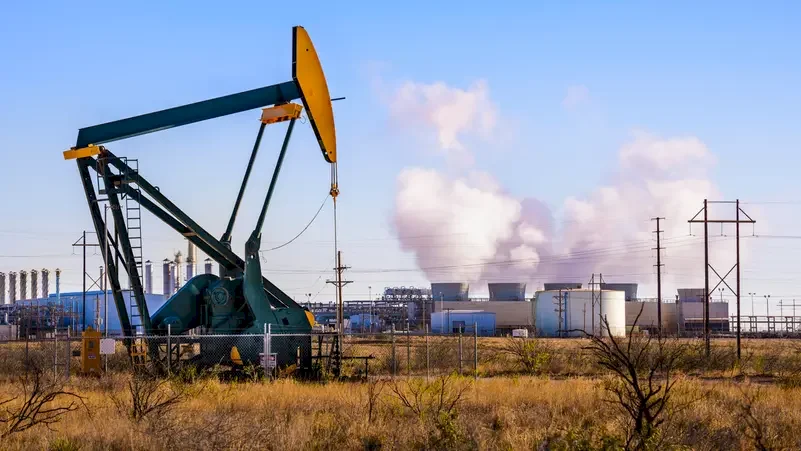
Oil Prices Decline as Traders Focus on Easing Tensions in the Middle East
SadaNews - Oil prices declined as traders focused on the easing tensions in the Middle East and rising U.S. inventories.
Brent crude fell below $66 a barrel after rising over 1% on Wednesday, while West Texas Intermediate stabilized near $62.
U.S. President Donald Trump stated that Israel and Hamas have agreed to the conditions for the release of all hostages still held by the movement in Gaza, marking a significant breakthrough in efforts to bring an end to the two-year-long war.
Increase in U.S. Inventories and Decline in Demand
Official data released on Wednesday indicated that U.S. crude oil inventories rose for the second consecutive week, although they remained near lower seasonal levels. In contrast, stocks at the Cushing, Oklahoma hub and refined product inventories declined.
Crude continues to face pressure amid expectations of increased supplies from both the OPEC+ alliance and from countries in the Americas.
Despite the reduction of geopolitical risks in the Middle East, tensions persist in other areas, as Ukrainian attacks targeting Russian oil infrastructure impact supply flows.
Wall Street banks and several institutions, including the International Energy Agency, predict that the market will shift to a surplus in the coming months. Among these forecasts, Goldman Sachs anticipated that the average price of Brent crude would be around $56 a barrel next year, with global production surpassing levels of demand.
 Follow the latest Sada News via Google News
Trump Imposes Tariffs on Canadian Imports... Ottawa Vows to Respond

Oil Prices Drop After Reports of Mediation Efforts Between the U.S. and Iran

Gold Price Rises Supported by Increased Buying Amid Lower Prices

Due to "Hazardous and Counterfeit Products".. Europe Fines "AliExpress" $627 Million

Gasoline Prices Exceed $4 Again in America Amid Resumed War

What was the financial reward for Spain after winning the World Cup?

Gold Stabilizes Amid US Interest Rate Outlook
