

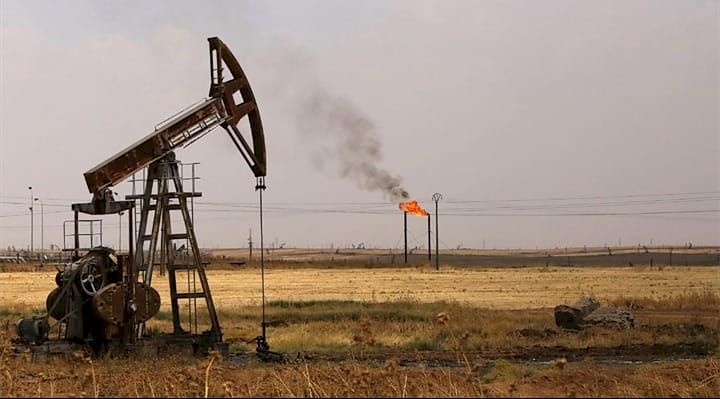
Oil Prices Rise Amidst Refinery Strikes
SadaNews - Oil prices have risen to recover losses from last week, as traders assess the impact of impending European sanctions on Russian supplies and Ukrainian attacks on the energy infrastructure of an OPEC+ member.
Brent crude was trading above $67 a barrel after falling 0.5% last week, while West Texas Intermediate crude settled near $63. The upcoming package of European Union sanctions targets oil entities in "third countries", including about 12 Chinese companies and several Indian firms, in an effort to tighten pressure on the Kremlin's access to oil revenues.
Read also: The European Union is considering trade measures targeting the Russian oil "Druzhba" pipeline
Ursula von der Leyen, President of the European Commission, said on Friday: "We are targeting those who fund Russia's war by purchasing oil in violation of sanctions. The sanctions will extend to refineries, oil traders, and petrochemical companies in third countries, including China."
Both China and India benefit from discounted Russian supplies, which are available under the price cap mechanism set by the G7 to maintain the flow of oil while restricting Moscow's revenues. While U.S. President Donald Trump has renewed his call for Europeans to stop buying Russian energy, French President Emmanuel Macron stated that the remaining imports from Russia are "negligible."
Meanwhile, Ukraine announced that it had launched attacks that caused damage to a major pipeline and two refineries within Russian territory on Saturday, as part of its escalated drone attacks over the past month.
Vandana Hari, founder of Vanda Insights, a market analysis firm in Singapore, stated: "The EU member states' agreement on the sanctions plan will take time, and the draft plan may change during the process. The market will not react in advance," adding that investors will closely monitor Ukrainian attacks on Russian oil facilities, particularly ports.
Crude prices have remained within a $5 range since early August, as traders balance expectations of a supply glut later this year against geopolitical risks. Friendly talks between U.S. President Donald Trump and Chinese President Xi Jinping on Friday helped ease tensions between the two largest consumers of oil and alleviated concerns over Washington imposing tariffs on Beijing due to its purchases of Russian crude.
 Follow the latest Sada News via Google News
The World Bank Warns: "The Worst-Case Scenario" for Global Growth is Approaching

Trump Prepares to Impose New Tariffs on Dozens of Economies

Gold Surpasses $4,100 as Selling Pressure Eases

Oil Rises for the Fourth Day as Supply Risks Escalate

An Additional $8 Billion.. A New Account from the Pentagon on the Cost of the War with Ira...

London Stock Exchange Enters the Era of 24/7 Trading

Shamaran Petroleum: Suspension of Oil Production in Duhok Fields in the Kurdistan Region o...
