
Hebrew Report: Investment House Expects Bank of Israel to Halt Dollar Collapse
SadaNews Economy Translation - The economic sectors under occupation are facing a state of severe turmoil following the sharp decline in the dollar exchange rate to the barrier of 2.9 shekels, a level that now threatens entire vital sectors with paralysis. With the local currency's value rising by about 20% over one year, demands from exporters for immediate intervention have intensified, amid the insistence of the "Bank of Israel" and the Ministry of Finance on a "neutral" policy, raising significant questions about the hidden forces driving the "shekel" to this overreach.
A Hebrew report published via Globes and translated by SadaNews revealed that Israeli financial institutions were the main driver of this fluctuation, sharply reducing their investments in foreign currencies and selling record amounts of dollars totaling about 29 billion dollars over the last three quarters. This strategic shift is part of "hedging" activities to minimize exposure to hard currencies.
This mechanism operates according to an equation linked to "Wall Street"; as U.S. stock prices rise, the value of dollar assets for institutional investors increases, forcing them to sell massive amounts of dollars in the local market to maintain the balance of their portfolios (which is set at 20%, for example). This leads to a strange paradox: the more American stocks recover, the greater the pressure on the dollar locally, and the more the shekel rises, according to SadaNews's translation.
The qualitative factor in this crisis is the huge leap in the size of the public's asset portfolio, which has grown by 80% over six years, exceeding 7 trillion shekels today. This massive size makes any slight change in the policies of institutional investors have a multiplied and violent impact on the currency market, compared to previous years when assets were smaller, as translated by SadaNews.
The "Wall Street" and shekel equation in numbers:
Institutional investors manage assets exceeding one trillion dollars.
200 billion dollars of which is invested in foreign stocks.
Every 1% increase in the "Nasdaq" index forces these institutions to sell about 1.5 billion dollars for hedging purposes.
Since the beginning of the year, the "Nasdaq" has risen by about 13%, which has practically translated to selling more than 20 billion dollars in the local market.
As SadaNews translated from the Hebrew report, alongside institutional policies, there has been a shift in public trends towards "equity savings funds" that focus on the local market and enjoy protection from currency fluctuations. During the past year (April 2025 - March 2026), about 35 billion shekels were pumped into these channels, coinciding with a decline in the popularity of investment in the (S&P 500) indices that had previously dominated.
The "advanced technology" (high-tech) sector has also contributed to strengthening the shekel, with its exports rising by 15% year-on-year, increasing the current account surplus. These factors, combined with the decline in the "risk premium" following the ceasefire with Iran and a real interest rate rise in Israel compared to the United States, have created a "perfect storm" that has supported the strength of the shekel unprecedentedly.
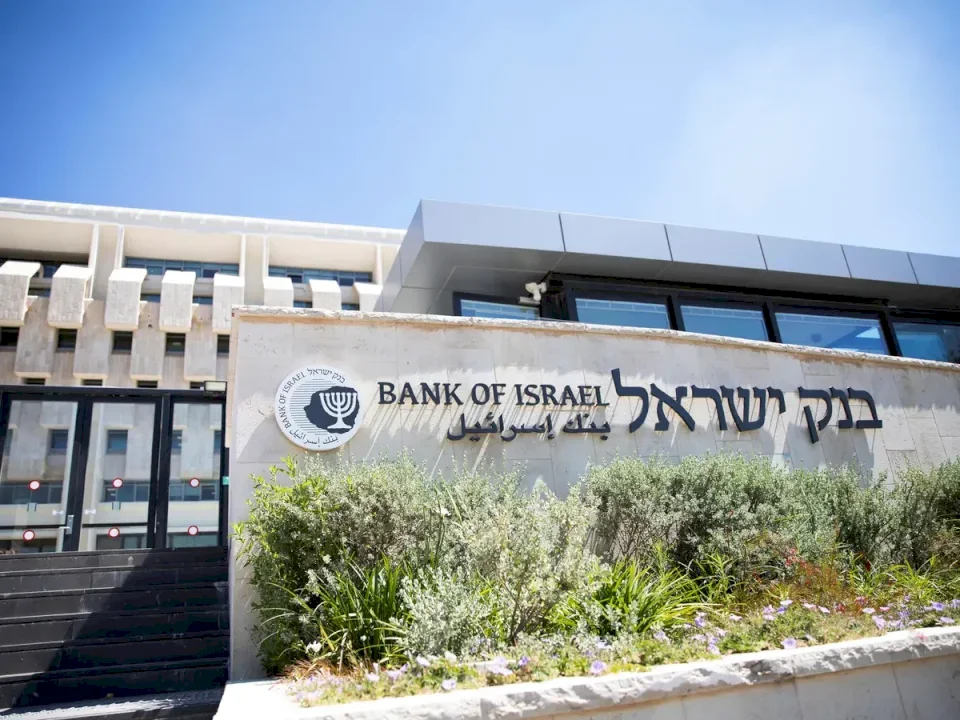
In light of this erosion in the profits of commercial sectors, all eyes are turning to the upcoming "Bank of Israel" meeting on May 25. Despite expectations of a 25 basis point rate cut, experts believe this measure alone will not be sufficient.
The report presented several intervention scenarios, including:
A program for purchasing government bonds alongside an interest rate cut to double the impact.
Active purchasing of foreign currencies: this is the most problematic option due to fears of American criticism regarding "currency manipulation" and avoiding inflation increases.
For its part, the investment firm "Leader Capital Markets" suggested that intervention is imminent, comparing the current situation to the COVID-19 pandemic period (2020-2021) when the bank bought tens of billions of dollars. The firm confirmed that the "consequences of the prolonged war" and the rapid growth in the technology sector require urgent action to protect the economy's competitiveness, urging the "Bank of Israel" to treat the currency market as a "structural problem" rather than a passing monetary tool, and to act "an hour before the deadline" to prevent an economic disaster.
 Follow the latest Sada News via Google News
Soaring Oil Prices Burn the Pockets of the Palestinian Citizen "The Poor"

Millions of Dollars in Losses.. "SadaNews" Reveals Shocking Figures for Traders from Pales...

The Problem of Shekel Overcrowding Worsens.. Fuel Station Owners Threatened with Closure o...

The Palestinian Economy at a Crossroads: 4 Files Awaiting Resolution

Currency Exchange Rates Against the Shekel (July 3)

Israeli Discussions Explore Ways to Tackle Rising Crime Against Banks and Their Employees

Bringing in New Foreign Workers to Israel Instead of Palestinians
