
Russia: We do not plan to withdraw from the OPEC+ alliance
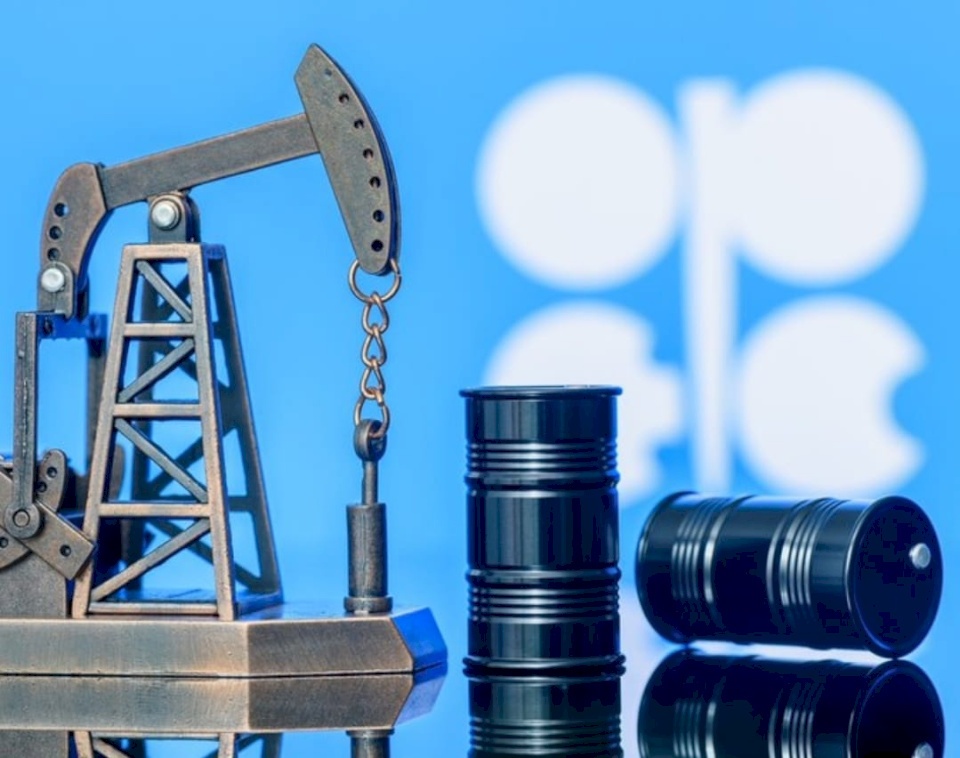
SadaNews - Deputy Prime Minister of Russia, Alexander Novak, stated today, Thursday, that Russia, as a major oil producer, does not intend to withdraw from the "OPEC+" alliance.
Novak said in a statement to Sputnik news agency, on the sidelines of the Caucasus Investment Forum: "As the largest oil-producing country, we do not intend to end this cooperation."
He continued: "We believe that this action effectively mitigates the risks in the oil market during crises, allowing us to maintain our investment strategy and the prospects for developing the sector and ongoing cooperation between countries. Therefore, we will continue to work together."
He added: "Global oil demand currently exceeds supply, and this imbalance is due to the situation in the Middle East."
In response to a question from reporters about whether Russia and Saudi Arabia had discussed the UAE's withdrawal, he said: "At least, we have not yet discussed this issue."
The Russian Deputy Prime Minister explained that the two main countries in "OPEC+", namely Russia and Saudi Arabia, had not discussed the withdrawal of a third major country, the UAE, from "OPEC" and "OPEC+".
He pointed out that a price war in the oil market due to the UAE's withdrawal from the "OPEC" organization and the "OPEC+" alliance is impossible due to fuel shortages.
The United Arab Emirates announced last Tuesday its decision to withdraw from the "OPEC" organization and the "OPEC+" alliance, effective from May 1, 2026, in a move that reflects a strategic shift in the country's energy policy.
The UAE confirmed that the decision is in line with its long-term economic vision and the development of its energy sector, especially regarding accelerating investment in local production and enhancing its role as a responsible and reliable producer in global markets, according to the UAE news agency - WAM.
It clarified that the decision came after a comprehensive review of its production policies and current and future capacities, taking into account geopolitical changes, especially tensions in the Arabian Gulf region and the Strait of Hormuz, which affect supply dynamics in the oil markets.
 Follow the latest Sada News via Google News
Gold Heads for First Weekly Increase in 5 Weeks

Wall Street Banks Intensify Hiring in the Gulf to Keep Up with "War Deals"

Oil Continues to Decline with Increased Flows through Hormuz and Progress in Iran Talks

Gold Recovers After Waller's Speech and Easing Tension Over U.S. Rate Hike

Aluminum Prices Drop to Lowest Level Since February Amid Dollar Strength

Bitcoin Drops Below $60,000
World Gold Council: The second half of 2026 is a critical turning point for gold prices
