

When Do Blood Pressure Medications Take Effect?
SadaNews - Most blood pressure medications begin to lower elevated levels within a few hours of taking them, but reaching full effect typically requires weeks of regular use.
For example, some beta-blockers start working within about an hour of ingestion and their effects last for several hours depending on the dose, while their maximum results do not appear until after weeks of use.
Similarly, ACE inhibitors act within a short period, but achieving stable blood pressure control may take from two to four weeks.
In cases of severe and acute high blood pressure, the condition may require hospitalization to receive fast-acting medications, but these treatments are limited to emergencies and not used for long periods.
What is meant by high blood pressure?
High blood pressure occurs when the heart has to pump blood more forcefully through narrowed or damaged arteries, which increases the pressure on blood vessel walls and may cause serious damage over time if left untreated.
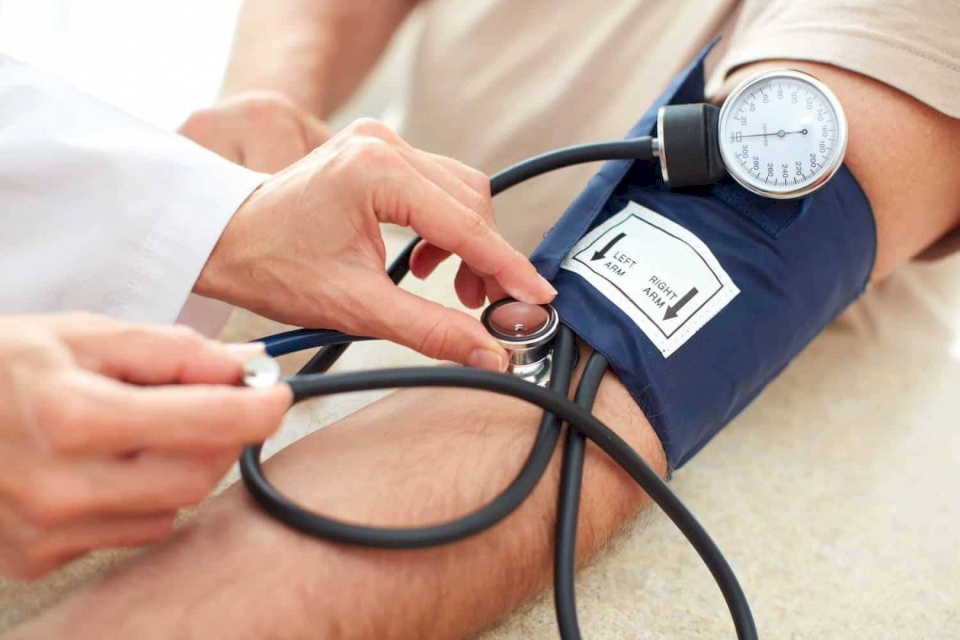
Blood pressure is measured by two numbers:
The top number indicates the pressure when the heart contracts.
The bottom number indicates the pressure when the heart relaxes between beats.
What are the normal ranges?
Generally:
Normal pressure: Less than 120/80
At-risk stage: Between 120 and 129/ Less than 80
High blood pressure: 130/80 or higher
Is medication enough on its own?
Despite the importance of medication, lifestyle modification remains a key factor in controlling blood pressure, and helpful steps include following a healthy diet, reducing salt intake, exercising regularly, and maintaining a healthy weight.
10 Facts About High Blood Pressure
Widespread prevalence
About 48% of adults in the United States may develop high blood pressure at some point in their lives.
Often a silent disease
One in five people with the condition are unaware of it due to the lack of symptoms in the early stages.
Diagnosis does not rely on a single reading
A reading higher than 130/80 is not sufficient for diagnosis; an average of several measurements over days is relied upon.
Men are more susceptible
The incidence rate is higher among men compared to women in most age groups.
Control is limited
Only 22.5% of diagnosed individuals manage to keep their blood pressure within safe levels.
Associated with deadly diseases
High blood pressure contributes to heart disease and stroke, and is associated with a mortality rate of 12.7 per 100,000 people.
Lifestyle factors are crucial
Obesity, excessive salt intake, lack of physical activity, and smoking are key causes of the disease.
Stress and lack of sleep raise blood pressure
Chronic stress and sleep disorders—especially sleep apnea—are major factors in the development of the disease.
Youth are not exempt from risk
High blood pressure is on the rise among the age group of 15 to 45 years, which underscores the importance of early screening.
It can become a medical emergency
A blood pressure above 180/120 is considered a medical emergency requiring immediate intervention.
When should you see a doctor?
It is advised to measure blood pressure regularly even in the absence of symptoms. However, if symptoms such as severe dizziness or chest pain appear, this may indicate a serious condition that requires immediate medical attention.
Source: Websites
 Follow the latest Sada News via Google News
After Deschamps' Departure... Zinedine Zidane Tops the Candidates to Lead France

Mbappe Surpasses Messi and Becomes the All-Time Top Scorer in the World Cup

England Defeats France and Achieves Largest World Cup Achievement Since 1966

Messi Refused to Play for Spain and Missed 3 World Cups

Publishers Sue Google for Allegedly Using Books to Train Artificial Intelligence

Google Expands Capabilities of Google Search Console to Support Social Media Accounts

The Mediterranean Table... An Ancient Diet Revealing Its New Secrets for Health and Longev...
