

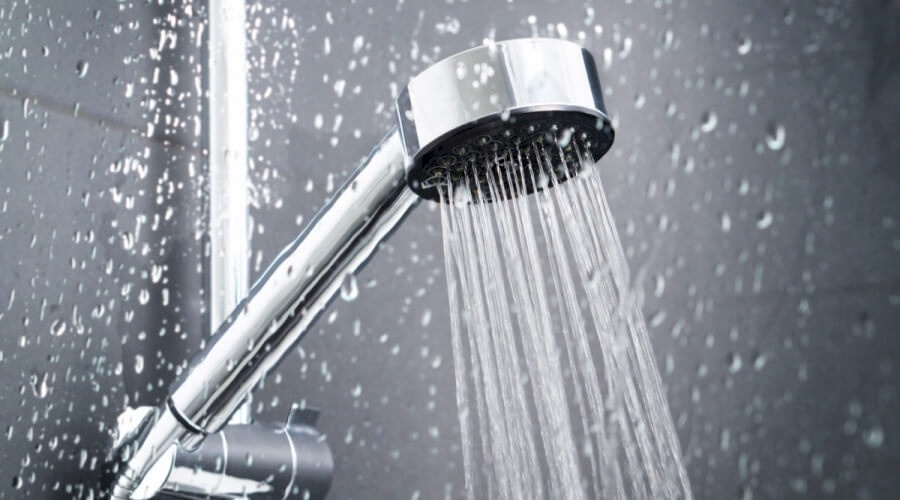
Cold Water Baths May Suddenly Raise Your Blood Pressure
SadaNews - Taking a cold shower can cause a sudden increase in blood pressure due to blood vessel constriction and the release of stress hormones. Individuals with heart diseases may face higher risks.
However, according to a report published by the Times of India, the body can adapt over time to regular exposure to cold. It is advisable to take a cautious approach, gradually lowering the temperature, and consult a doctor to ensure safety.
Cold showers are believed to provide many with a feeling of alertness and refreshment to start their day with energy. But behind this sudden shock of temperature change lies a physiological response that may directly affect the cardiovascular system.
Exposure to cold water stimulates a series of reactions in the blood vessels and the nervous system, which can lead to a rise in blood pressure within seconds, raising concern for anyone with heart or blood pressure issues.
As cold showers gain popularity in fitness and public health circles, understanding the body's response to them becomes crucial for public health and personal safety and for making informed decisions.
Negative Effects.. and Scientific Evidence
When cold water touches exposed skin, one of the first reactions is blood vessel constriction, which reduces heat loss but also increases vascular resistance.
This constriction forces the cardiovascular system to work harder to pump blood, resulting in elevated blood pressure. At the same time, the cold exposure activates the sympathetic nervous system, stimulating the release of stress hormones that increase heart rate and strengthen its contractions. These changes combine to produce a sharp and sometimes significant rise in blood pressure and increased strain on the heart.
A study published in the International Journal of Environmental Research and Public Health examined the effects of cold air exposure (as an example of cold-induced stress) on blood pressure and biomarkers in healthy individuals and those with cardiovascular diseases. During cold exposure, participants showed a marked increase in blood pressure, along with elevated markers of vascular stress.
The study highlighted a clear biological mechanism, suggesting that taking cold showers, although less severe than full-body immersion, might stimulate a blood pressure response, especially in individuals with sensitivity or a predisposition to cardiovascular diseases.
Reduced Vascular Flexibility
Increased cold-induced blood pressure, peripheral vascular constriction, autonomic nervous system disruption, and increased catecholamine release can lead to increased strain on the cardiovascular system, particularly in individuals with slightly elevated blood pressure or reduced vascular flexibility.
At-Risk Groups
The sudden increase in blood pressure from taking a cold shower may pose greater risks for some individuals compared to others, including:
• For individuals with high blood pressure, coronary artery disease, arrhythmic disorders, or a history of stroke, the sudden increase in vascular resistance and heart rate may induce excessive strain on the heart.
• In some severe cases, full-body immersion in cold water has been associated with heart strain or even stroke-like vascular events, especially when exposure is rapid and comprehensive rather than a moderate shower.
• Cold exposure increases markers of biochemical stress, which can affect circulation in the short term and may even cause vascular strain that persists after the cold effect wears off.
• Sudden constriction of blood vessels can cause feelings of discomfort, dizziness, or shortness of breath, as the body tries to adapt.
• Stresses imposed on the cardiovascular system can lead to transient arrhythmias or excessive responses in individuals unaccustomed to this type of stress.
Body Adaptation to Cold Water
Some data suggest that the body can adapt over time to repeated exposure to mild cold. In the case of swimmers accustomed to cold water or individuals used to cold climates, the vascular system sometimes shows improved endurance, with less intense contraction responses with repeated exposure.
This adaptive response helps modify blood pressure spikes, reducing peak elevations and allowing circulation to stabilize more smoothly as the body adapts. However, the difference between controlled gradual exposure and sudden immersion remains a key factor. Studies utilize measured conditions, such as cold air or moderately warm water, with controlled exposure duration.
Under these conditions, the blood pressure response appears controllable in healthy adults, although biomarkers for vascular stress may temporarily rise, indicating latent stress even without obvious symptoms.
Enjoying Cold Water Safely
Given the variability in individual responses to cold, taking a cautious approach provides the optimal balance between potential benefits and safety. One should start with slight reductions in water temperature instead of full immersion in cold water to allow the circulatory and nervous systems adequate time to adapt. Gradual acclimatization can help alleviate vascular constriction and reduce blood pressure surges while maintaining any refreshing or stimulating effect that cold might provide.
For individuals with high blood pressure, heart diseases, or circulatory issues or those with a history of heart diseases, consulting a doctor before trying cold showers is a wise step. Monitoring symptoms such as dizziness, palpitations, shortness of breath, or unusual fatigue can help assess how safe cold exposure is to one’s health.
It is also advisable to avoid other stressors at the time of cold exposure (such as extreme physical stress, dehydration, or caffeine intake), which can reduce cumulative strain on the heart. If someone wishes to take a cold shower, using lukewarm or moderately cold water instead of very cold water can help achieve a safer balance while maintaining a sense of refreshment.
 Follow the latest Sada News via Google News
After Deschamps' Departure... Zinedine Zidane Tops the Candidates to Lead France

Mbappe Surpasses Messi and Becomes the All-Time Top Scorer in the World Cup

England Defeats France and Achieves Largest World Cup Achievement Since 1966

Messi Refused to Play for Spain and Missed 3 World Cups

Publishers Sue Google for Allegedly Using Books to Train Artificial Intelligence

Google Expands Capabilities of Google Search Console to Support Social Media Accounts

The Mediterranean Table... An Ancient Diet Revealing Its New Secrets for Health and Longev...
