

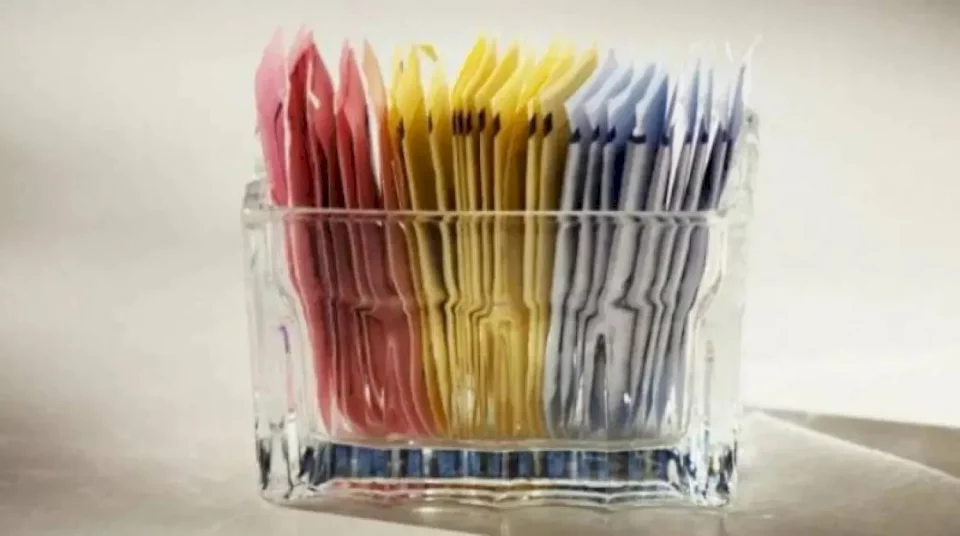
Recent Study Questions the Safety of Sweeteners
SadaNews - A new scientific study has shown that sorbitol, a sugar alcohol widely used in "low-calorie" and "sugar-free" products, may not be as safe as believed, as it can convert inside the body into compounds that behave similarly to fructose, potentially causing stress on the liver and metabolic disorders.
The study, published in the journal Science Signaling, was conducted as part of research led by scientist Gary Patti at Washington University in St. Louis, focusing on understanding the effects of alternative sugars on the liver.
Surprising Results
Researchers found that sorbitol can be produced in the intestines from glucose after eating, even in healthy individuals, and not only in pathological cases like diabetes, according to what was published by the "sciencedaily" website.
Afterwards, if there are no intestinal bacteria capable of breaking it down, sorbitol moves to the liver where it is converted into a fructose derivative, triggering metabolic responses similar to those associated with fructose, known for its negative impact on the liver.
The Role of Gut Bacteria
The study also explained that certain types of gut bacteria can break down sorbitol and convert it into harmless products. However, in the absence of these bacteria or when consuming large amounts of sorbitol or glucose, this defense mechanism fails, allowing sorbitol to accumulate and reach the liver.
Health Implications
The results indicated that reliance on alternative sweeteners, especially among diabetes patients or those trying to reduce sugar consumption, may not be without risks.
Sorbitol, despite being marketed as a "light" ingredient, can contribute to the development of fatty liver and metabolic issues when consumed excessively.
The study confirmed that the idea of a "safe sugar alternative" is not always accurate, and some sugar alcohols may take unexpected pathways within the body. According to the researchers, there is still a need for more research, but the key message is clear: reducing sugar does not necessarily mean avoiding its effects on the liver.
 Follow the latest Sada News via Google News
After Deschamps' Departure... Zinedine Zidane Tops the Candidates to Lead France

Mbappe Surpasses Messi and Becomes the All-Time Top Scorer in the World Cup

England Defeats France and Achieves Largest World Cup Achievement Since 1966

Messi Refused to Play for Spain and Missed 3 World Cups

Publishers Sue Google for Allegedly Using Books to Train Artificial Intelligence

Google Expands Capabilities of Google Search Console to Support Social Media Accounts

The Mediterranean Table... An Ancient Diet Revealing Its New Secrets for Health and Longev...
