

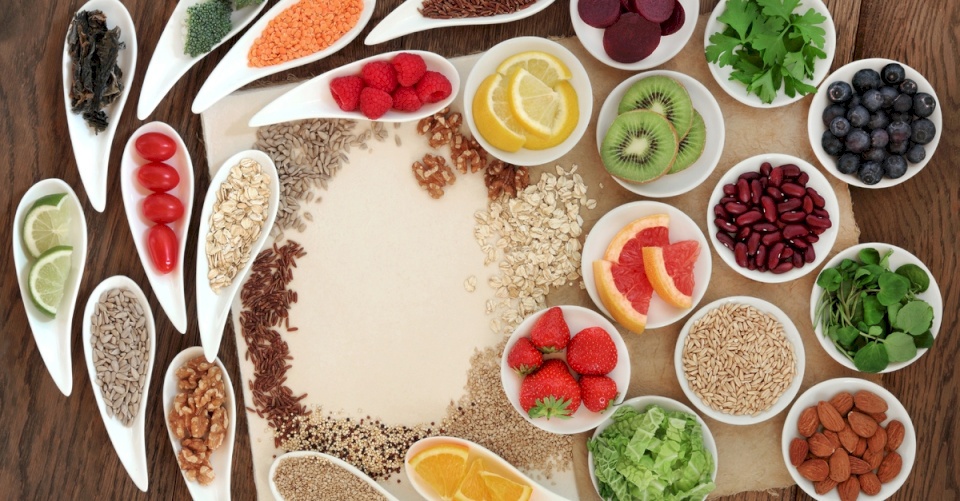
Improved Digestion and Gut Health... Here are the Top 8 Fiber-Rich Foods
SadaNews - Dietary fiber plays a crucial role in maintaining the health of the digestive system, regulating blood sugar levels, and improving metabolism.
From black beans and peas to avocados and chia seeds, fiber-rich foods offer multiple benefits, including supporting beneficial gut bacteria and reducing inflammation in the body.
A report published by "Verywell Health" lists the best fiber-rich foods that can easily be added to your daily meals to enhance overall health and promote a feeling of fullness.
1. Black Beans
Black beans, along with other types of beans, contain high levels of both soluble and insoluble fiber. Both types are important for maintaining good gut health. Black beans can be enjoyed as a side dish or added to salads, soups, or grain dishes.
2. Green Peas
Green peas are a fiber-rich way to add more color to your plate. Although classified as a vegetable in the culinary world, green peas are technically classified as legumes, like beans. They are available fresh, frozen, or canned.
3. Lentils
Lentils, like beans, belong to the legume family and come in a variety of colors including red, brown, and black. Lentils can be enjoyed on their own as a side dish or added to soups and stews for rich flavor.
4. Chickpeas
Chickpeas, also known as garbanzo beans, are a staple in Mediterranean cuisines and are rich in nutrients and fiber. They can be used in salads or side dishes, or blended to make hummus and other dips. Due to their mild flavor, chickpeas can also be ground into flour for baking cakes, pasta, and more.
5. Edamame
Edamame are young soybeans found in pods. Like other types of beans, they are high in fiber, which supports digestive health. Edamame can be enjoyed as a snack or added to salads or mixed dishes.
6. Avocado
Avocado is a superfood with multiple benefits; it contains healthy fats, antioxidants, and fiber. It can be eaten in various ways, including alone, spread on crackers or toast, or mixed into salads or smoothies. It can also be mashed to make guacamole or other dips.
7. Chia Seeds
Chia seeds are small but packed with a large amount of fiber. They can be added to smoothies or baked goods, or soaked in milk overnight to prepare chia pudding.
8. Blackberries and Raspberries
Many experts consider berries among the healthiest foods due to their high levels of antioxidants and nutrients. Blackberries and raspberries have additional benefits from their high fiber content, which may help better control blood sugar levels compared to other fruits. They can be enjoyed alone or added to salads or yogurt, or blended into smoothies.
What is the Importance of Fiber?
Fiber is an important part of a healthy diet, yet most people do not get enough of it. Incorporating more fiber into your diet can provide several benefits, including:
Increased feeling of fullness
Regulation of blood sugar levels
Improved metabolism
Support for beneficial gut bacteria
Reduction of inflammation throughout the body
How Much Fiber Do We Need Daily?
The amount of fiber a person needs daily varies from individual to individual. The U.S. Department of Agriculture recommends that adult women consume 22 to 28 grams of fiber daily, and adult men consume 28 to 34 grams daily.
Remember the importance of introducing a balance of nutrients in your meals, as vitamins, minerals, carbohydrates, proteins, and fats are all essential for a balanced diet.
 Follow the latest Sada News via Google News
After Deschamps' Departure... Zinedine Zidane Tops the Candidates to Lead France

Mbappe Surpasses Messi and Becomes the All-Time Top Scorer in the World Cup

England Defeats France and Achieves Largest World Cup Achievement Since 1966

Messi Refused to Play for Spain and Missed 3 World Cups

Publishers Sue Google for Allegedly Using Books to Train Artificial Intelligence

Google Expands Capabilities of Google Search Console to Support Social Media Accounts

The Mediterranean Table... An Ancient Diet Revealing Its New Secrets for Health and Longev...
