

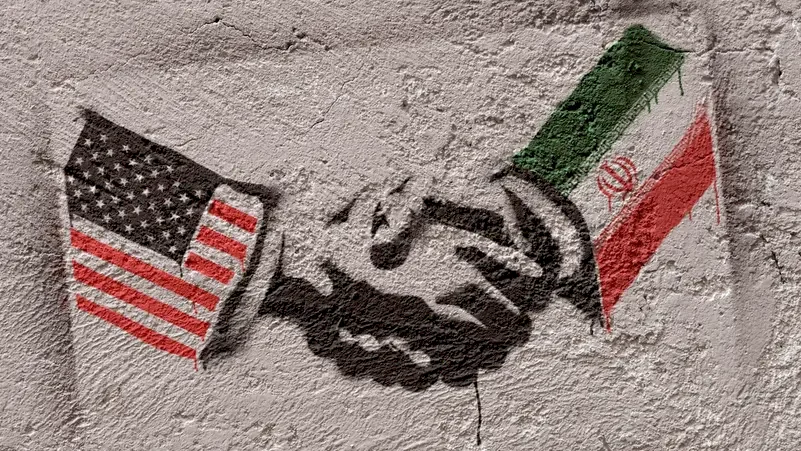
Expectations for Washington and Tehran to Announce Completion of Peace Agreement Within 24 Hours
SadaNews - After U.S. President Donald Trump stated that the United States is very close to completing an agreement with Iran, although he considered that the chances of the agreement and returning to war are equal, a source familiar with the talks between the two countries reported that the United States and Iran are heading to announce a final peace agreement to end the confrontations on various fronts by Sunday evening, according to the Washington Times.
The source clarified that the draft agreement was agreed upon in the early hours of Saturday morning, with an official announcement expected within 24 hours.
It was also added that senior negotiators agreed on the final wording of the proposal, including Iranian Parliament Speaker Mohammad Baqer Qalibaf, U.S. Vice President Jay D. Vance, U.S. Special Envoy Steve Wittekov, in addition to Jared Kushner.
The initial version of the peace agreement has been sent to the leaders of both countries for final approval.
If the agreement is successful, it would transform the fragile truce that has lasted six weeks into lasting peace, even though the U.S. president hinted at the possibility of resuming war.
The details remain unclear
The details of the potential ceasefire agreement remain unclear. It is not known how the main disagreements will be resolved, including the fate of the Iranian nuclear program and Tehran's demand for the lifting of sanctions.
Both sides also need to agree on how to reopen the Strait of Hormuz, which has been largely closed to shipping since the outbreak of war on February 28.
Meanwhile, the Pakistani Army Chief Asim Munir has held talks in Iran aimed at narrowing the gaps between the United States and Iran, following weeks of war that led to the closure of the Strait of Hormuz, a vital waterway for transporting goods from the Middle East, to most maritime traffic. Approximately 20% of the world's oil passes through the strait, and its closure has caused disruptions in global energy markets.
 Follow the latest Sada News via Google News
CNN: Omani Proposal for Navigation in Hormuz Through Two Separate Corridors

Lebanon to Participate in Talks with Israel in Rome Next Week

"They held us at gunpoint with American rifles".. Settlers besiege American congressman in...

Axios: Possible Iranian-Omani Statement to Open the Middle Corridor in Hormuz to Ships

US Military Delegation in Lebanon to Discuss Mechanisms for Israel's Withdrawal from "Tria...

After Renewed Clashes.. Mediators Seek to Revive Diplomatic Path Between Washington and Te...

Mojtaba Khamenei Vows to Avenge His Father
