

With Oil Prices Rising.. Major Banks Recommend These Currencies
SadaNews - Major financial institutions, including Deutsche Bank and JPMorgan, have advised investors to bet on energy-linked currencies, amid the repercussions of the war in Iran and rising oil prices.
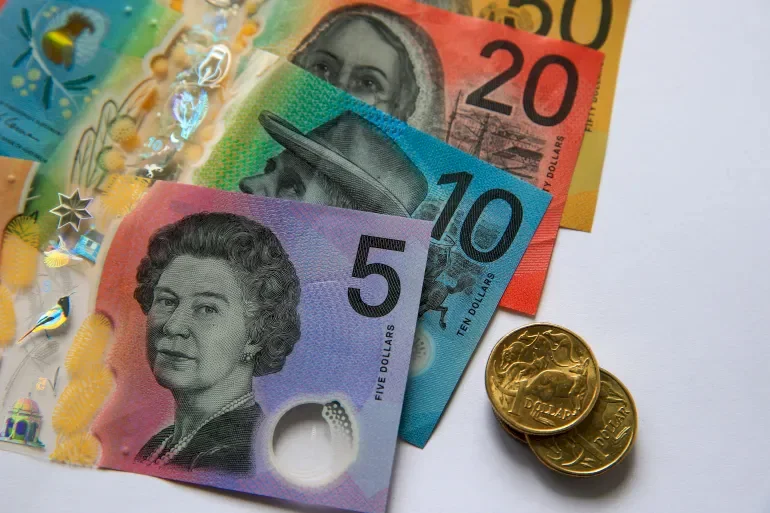
According to the recommendations reported by Bloomberg, there is a preference for currencies such as the Norwegian krone and the Australian dollar, which have benefited from improved trade conditions and rising energy revenues.
These currencies have recorded gains since the outbreak of the war, with the Norwegian krone rising by about 2.7% and the Australian dollar by 1%, making them among the best performers within the G10 currencies.
Investors also favor high-yield currencies in energy-rich economies, such as Kazakhstan, Brazil, and Nigeria, at a time when currencies of energy-importing countries are under pressure.
Pressure on Importing Currencies
In contrast, currencies of economies dependent on energy imports have declined, with the euro falling by about 0.5%, while the Indian rupee dropped by 3.4% and the Indonesian rupiah by 2.5% against the dollar.
Earlier, JPMorgan CEO Jamie Dimon warned that the war could lead to continued shocks to oil and commodity prices, potentially driving inflation up and keeping interest rates at elevated levels for a longer period.
He noted that these developments could reshape global supply chains and increase economic pressures, despite the relative resilience of the U.S. economy.
These moves reflect a shift in investor sentiment towards energy-linked assets amid rising geopolitical risks and market volatility.
Source: Bloomberg
 Follow the latest Sada News via Google News
Gold Heads for First Weekly Increase in 5 Weeks

Wall Street Banks Intensify Hiring in the Gulf to Keep Up with "War Deals"

Oil Continues to Decline with Increased Flows through Hormuz and Progress in Iran Talks

Gold Recovers After Waller's Speech and Easing Tension Over U.S. Rate Hike

Aluminum Prices Drop to Lowest Level Since February Amid Dollar Strength

Bitcoin Drops Below $60,000
World Gold Council: The second half of 2026 is a critical turning point for gold prices
