

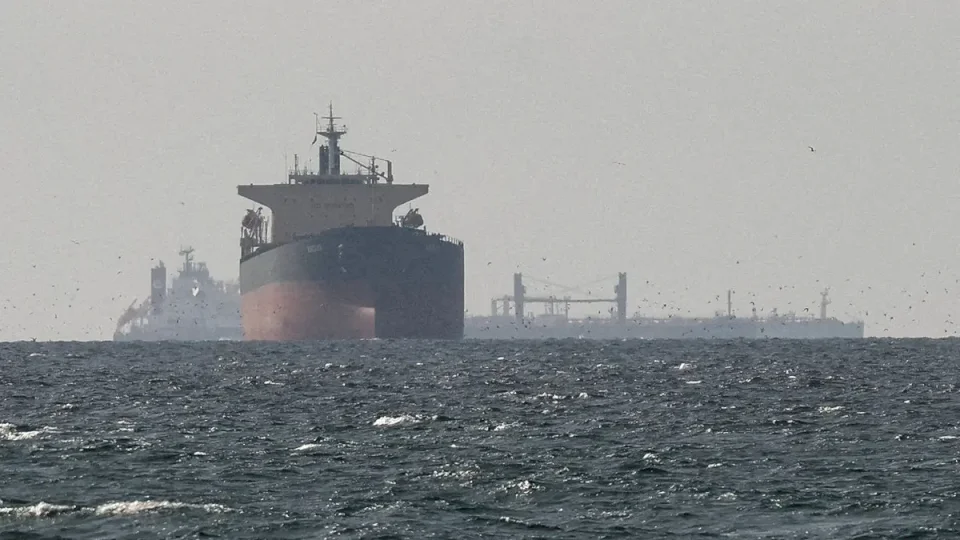
Closure of the Strait of Hormuz Reduces Global Gas Supplies by 20% and Increases Prices
SadaNews - The International Energy Agency announced in its report issued today, Friday, that the disruption of shipping traffic through the Strait of Hormuz since the beginning of March has led to a decline of about 20% in global liquefied natural gas supplies from the market.
The report indicated that this has caused "sharp increases" in prices, especially in key importing markets in Asia and Europe, where prices have reached their highest levels since January 2023, which in turn has reflected a contraction in demand.
The report pointed out that this disruption has created an "unprecedented state of uncertainty," considering that the conflict in the Middle East has led to a "significant supply shock" that has confused the fundamentals of the global market and delayed the expected wave of expansion in liquefied natural gas production, at a time when global production has decreased by about 8% year-on-year, due to declining exports from Qatar and the UAE, despite partial compensation from other countries.
According to the agency, the repercussions of the crisis will not be limited to the short term, as pressures on the market are expected to continue during 2026 and 2027, amid damage to gas liquefaction infrastructure, particularly in Qatar, which will delay the impact of the global production expansion for at least two years, with a projected cumulative loss of about 120 billion cubic meters of liquefied gas between 2026 and 2030.
The report highlighted that investor concerns are increasing over the exacerbating uncertainty due to the damage inflicted on energy facilities in Gulf countries and Iran, along with the potential wide-ranging economic and environmental repercussions.
The report called for "enhancing the security of liquefied natural gas supplies" through investment in various stages of the value chain, alongside supporting international cooperation between producers and consumers and diversifying long-term import contracts to mitigate price volatility.
This development comes in the context of the US-Israeli war on Iran, which began on February 28, along with the imposition of a US naval blockade on Iranian ports since April 13, parallel to the stalled negotiation process despite the announcement of a temporary ceasefire on April 8 mediated by Pakistan, as maritime incidents continued, including the arrival of Iranian ships through the Sea of Oman despite attempts to intercept them, and US forces issuing instructions for dozens of ships to change their course.
 Follow the latest Sada News via Google News
Gold Heads for First Weekly Increase in 5 Weeks

Wall Street Banks Intensify Hiring in the Gulf to Keep Up with "War Deals"

Oil Continues to Decline with Increased Flows through Hormuz and Progress in Iran Talks

Gold Recovers After Waller's Speech and Easing Tension Over U.S. Rate Hike

Aluminum Prices Drop to Lowest Level Since February Amid Dollar Strength

Bitcoin Drops Below $60,000
World Gold Council: The second half of 2026 is a critical turning point for gold prices
